
Thyroid nodules can be treated by traditional Chinese medicine conditioning, acupuncture and moxibustion, acupoint application, cupping therapy, diet regulation, etc. Thyroid nodules may be related to emotional disorders, improper diet, environmental factors, physical weakness, phlegm stasis, and other factors, usually manifested as neck lumps, swallowing discomfort, hoarseness, and other symptoms.
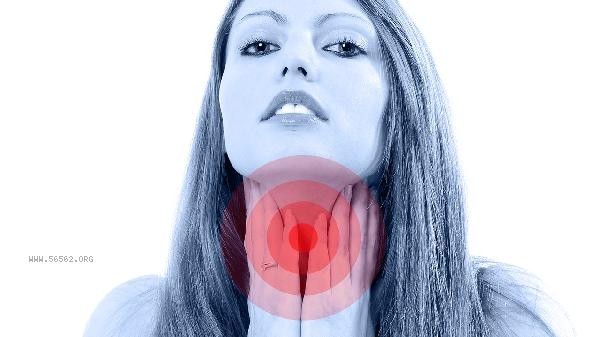
1. Traditional Chinese medicine conditioning
Traditional Chinese medicine believes that thyroid nodules are mostly related to liver stagnation and qi stagnation, phlegm coagulation and blood stasis. traditional Chinese patent medicines and simple preparations such as Prunella vulgaris capsule, Xiaoying Wuhai pill, Neixiao scrofula pill can be used according to the doctor's advice. Xiacao capsules can clear the liver and disperse nodules, suitable for patients with nodules and irritability; Xiaoying Wuhai Wan can soften and disperse nodules, and is effective for phlegm and blood stasis nodules; Neixiaoluo Wan is good at resolving phlegm and nuclear scrofula. Medication should be based on physical constitution differentiation to avoid long-term use of bitter cold drugs that can damage the spleen and stomach.
2. acupuncture and moxibustion therapy
Acupuncture at Tiantu, Tanzhong, Zusanli and other points, together with moxibustion at Ashi, helps to dredge the meridians and regulate the movement of qi and blood. The liver depression type can be treated with Taichong acupoint to soothe the liver and relieve depression, while the phlegm dampness type can be treated with Fenglong acupoint to resolve phlegm and disperse nodules. Treat 2-4 times a week, with 10 times as one course of treatment. Pregnant women and those with bleeding constitution are prohibited from using it, and direct needling of the nodule area should be avoided.
3. Acupoint application
Apply powdered Chinese herbs such as Pinellia ternata and Fritillaria thunbergii to neck acupoints such as Renying and Qishe, and use transdermal absorption to achieve the effect of resolving phlegm and dispersing nodules. Ready made anti gall patches can also be used, containing ingredients such as Huangyaozi and cat claw grass. People with skin allergies should try it on a small scale first, and stop immediately if there is redness, swelling, and itching. Avoid vigorous neck movements during the application period.
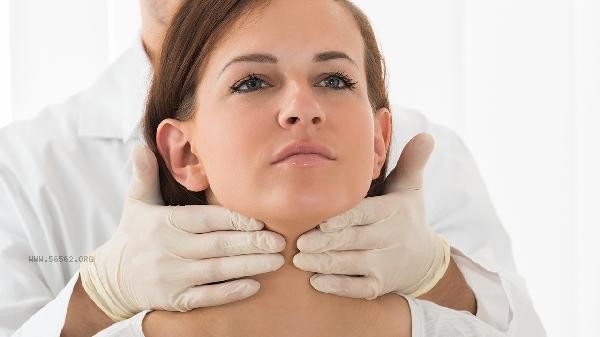
4. Cupping therapy
can improve local Qi and blood stasis by walking or leaving cupping in areas such as the shoulder well and vertebrae. Qi stagnation and blood stasis type nodules are suitable for puncturing and cupping. First, gently tap the area around the nodule with a plum blossom needle before cupping. Individuals with weak constitution should not keep the jar for more than 8 minutes, and it is contraindicated for those with coagulation dysfunction. Pay attention to keeping warm after cupping and avoid taking a shower within 4 hours.
5. Dietary regulation
Eat more iodine containing foods such as kelp and seaweed, but hyperthyroidism patients need to control their iodine intake. People with phlegm dampness constitution should use coix seed and yam to invigorate the spleen and dispel dampness, while those with qi depression can drink rose tea to soothe the liver and relieve depression. Avoid spicy and stimulating foods, rich and sweet flavors, and avoid drinking alcohol. When combined with hypothyroidism, moderate consumption of walnuts and black sesame seeds can warm and nourish the liver and kidneys.
Traditional Chinese medicine treatment for thyroid nodules needs to be persisted for 3-6 months to show significant effect. During the treatment period, thyroid ultrasound should be rechecked monthly to observe changes in the nodules. If the nodule rapidly enlarges, calcifies or compresses in the short term, it should be promptly referred to Western medicine for evaluation of whether surgical intervention is needed. Maintaining a relaxed mood, avoiding staying up late and overexertion, practicing soothing exercises such as Ba Duan Jin and Tai Chi can help balance qi and blood. Daily massage can assist in regulating acupoints such as Tai Chong and San Yin Jiao.





Comments (0)
Leave a Comment
No comments yet
Be the first to share your thoughts!