
Stomachache can be treated according to the syndrome differentiation of traditional Chinese medicine. Common methods include Chinese medicine conditioning, acupuncture and moxibustion, massage, moxibustion and diet. Stomach pain is often caused by factors such as cold pathogens invading the stomach, dietary damage to the stomach, liver qi invading the stomach, and spleen and stomach weakness. Targeted treatment plans should be selected according to the syndrome type.

1. Traditional Chinese Medicine Treatment
For those with cold pathogenic factors affecting the stomach, Liangfu Wan can be used to warm the middle and dispel cold. For those with stagnant diet, Baohe Wan is commonly used to eliminate food stagnation. For liver qi invading the stomach type, Chaihu Shugan San can be used to soothe the liver and stomach. For spleen and stomach deficiency cold syndrome, Huangqi Jianzhong Tang can be used to strengthen the spleen and warm the middle. Traditional Chinese medicine should be prescribed by a Chinese medicine practitioner based on tongue and pulse differentiation. Common dosage forms include decoctions, pills, and granules, such as Xiangsha Yangwei Pills, Qi stagnation and stomach pain granules, etc.
2. acupuncture and moxibustion therapy
Acupuncture at Zusanli, Zhongwan, Neiguan and other acupoints can regulate stomach qi, with the method of reducing excess syndrome and the method of reinforcing deficiency syndrome. Cold stomach pain can be treated with moxibustion at Shenque acupoint to warm yang and dispel cold, and with liver qi invading the stomach type, acupuncture at Taichong acupoint to soothe the liver and relieve depression. Acute stomachache is treated with acupuncture and moxibustion once a day, chronic symptoms can be treated every other day, and 10 times is a course of treatment.
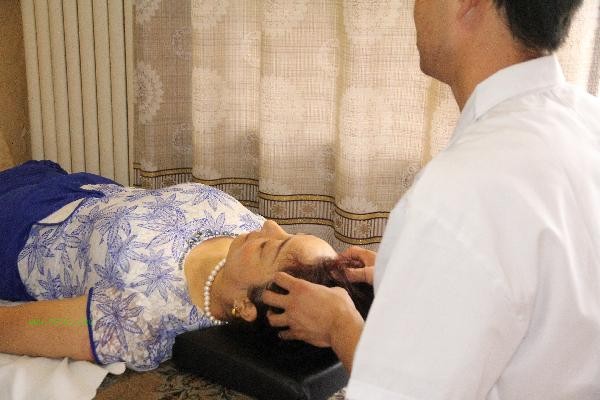
3. Massage
Palm massage of the abdomen can relieve bloating and pain by clockwise massaging the middle epigastric region to the Shenque area, and acupressure of the Zusanli acupoint with breathing to regulate gastrointestinal peristalsis. Pressing the points of Spleen Shu and Stomach Shu on the back bladder meridian can strengthen the spleen and stomach, and combined with spinal therapy, improve spleen and stomach function. Massage should be performed one hour after meals, for 15-20 minutes each time.

4. Moxibustion therapy
Ginger separated moxibustion at Zhongwan point is suitable for stomach pain of deficiency cold type, and rotary moxibustion at Shenque point can warm and supplement spleen and kidney yang qi. Ai Tiao Que pecking moxibustion at Zu San Li can enhance the function of spleen and stomach circulation, and combined with Guan Yuan acupoint moxibustion to treat chronic stomach pain. Choose 2-3 acupoints each time, and moxibustion each acupoint for 5-10 minutes. The skin should be flushed to prevent burns.
5. Diet and recuperation
People with spleen and stomach deficiency and cold should eat ginger brown sugar water and yam Congee for warming and tonifying. People with liver and stomach disharmony can drink rose tea to calm their liver. Avoid cold and greasy food, and eat soft and digestible food regularly, such as millet porridge, pumpkin soup, etc. Those with insufficient stomach yin can use Shashen Maidong soup, and those with damp heat resistance are suitable for job's tears and red bean Congee. Traditional Chinese medicine emphasizes the treatment of stomach pain based on syndrome differentiation and overall regulation. During acute attacks, Western medicine can be used to alleviate symptoms, while chronic stomach pain requires consistent regulation. Daily attention should be paid to keeping the abdomen warm, maintaining a relaxed mood, and avoiding overeating. If vomiting blood, black stool or persistent severe pain occurs, seek medical attention immediately to rule out acute and severe gastrointestinal bleeding. During the treatment period, regular follow-up visits are conducted to adjust the treatment plan, and combined with health preserving techniques such as Ba Duan Jin and Tai Chi to enhance the therapeutic effect.






Comments (0)
Leave a Comment
No comments yet
Be the first to share your thoughts!