
Traditional Chinese medicine (TCM) mainly improves gastrointestinal function through Chinese medicine conditioning, acupuncture and moxibustion, moxibustion, cupping, and massage. Stomach diseases may be related to factors such as irregular diet, emotional disorders, spleen and stomach weakness, invasion of external pathogens, and stagnation of qi and blood. They usually manifest as symptoms such as stomach pain, bloating, acid reflux, belching, and loss of appetite.
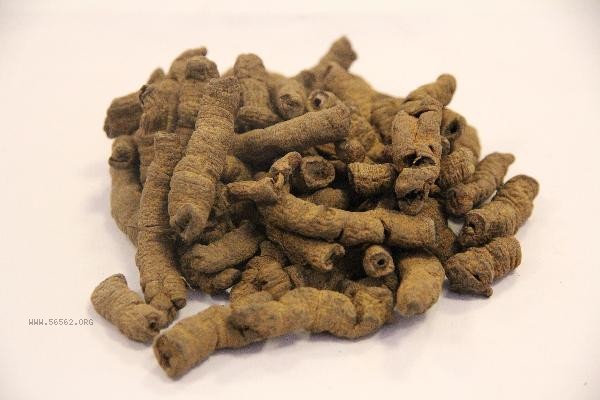
1. Traditional Chinese Medicine Regulation
Traditional Chinese medicine regulation is the core method of treating stomach diseases in traditional Chinese medicine, and different formulas are selected according to the syndrome type. For the syndrome of cold pathogenic guests in the stomach, Liangfu Wan can be used to warm the middle and dispel cold. For the syndrome of liver qi invading the stomach, Chaihu Shugan San can be used to soothe the liver and regulate qi. For the syndrome of spleen and stomach weakness, Xiangsha Liujunzi Wan can be used to strengthen the spleen and stomach. Traditional Chinese medicine should be prescribed by a Chinese medicine practitioner based on syndrome differentiation, and self medication should be avoided. During medication, avoid eating raw, cold, spicy food and maintain emotional stability.
II. acupuncture and moxibustion Therapy
acupuncture and moxibustion regulates gastrointestinal function by stimulating Zusanli, Zhongwan, Neiguan and other acupoints. Empirical stomach pain can be treated with laxative therapy, while deficiency stomach pain should be treated with tonifying therapy combined with moxibustion. Acupuncture and moxibustion once a day for acute stomach pain, once every other day for chronic stomach disease, 10 times as a course of treatment. Pregnant women and those with bleeding constitution should use it with caution. Avoid contact with cold water within 2 hours after acupuncture and moxibustion.
III. Moxibustion Treatment
Moxibustion is suitable for deficiency cold type stomach diseases, and commonly used acupoints include Shenque, Guanyuan, and Bishu. Ginger separated moxibustion can enhance the warming and tonifying effect, with each moxibustion lasting 15-20 minutes until the skin is flushed. Those with yin deficiency and excessive fire should not use it, and attention should be paid to preventing burns when applying moxibustion. Ai smoke may irritate the respiratory tract, and asthma patients should operate in a well ventilated environment.
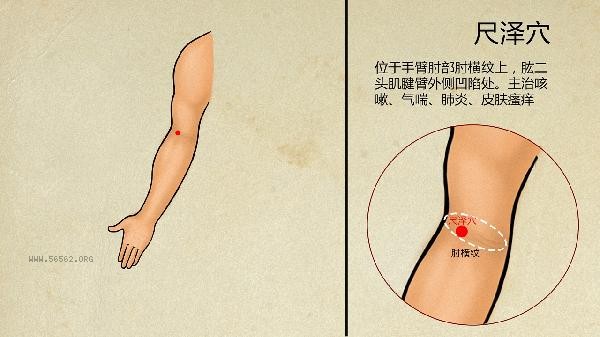
Fourth, Cupping Therapy
Cupping can clear the qi and blood in the stomach by walking through the bladder meridian on the back. Leave the cupping at acupoints such as Weishu and Ganshu for 5-10 minutes. Blood stasis type stomach pain can be seen with dark purple jar marks, while those with insufficient Qi and blood have light jar marks. Patients with skin damage or high fever should not remove the cupping device. After removing the cupping device, pay attention to keeping warm and avoid exposure to wind.
Fifth, Tuina Massage
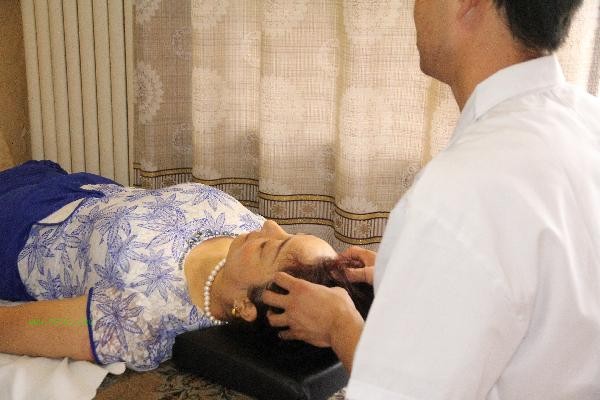
Tuina uses techniques such as rubbing the abdomen and pressing acupoints to promote gastrointestinal peristalsis. Clockwise rubbing of the abdomen can relieve stomach bloating, and pressing the Liangmen acupoint can relieve stomach pain. Massage should not be performed within 1 hour after meals, and is contraindicated for abdominal tumors and acute inflammation. It can be used with ginger essential oil to enhance the warming effect. After massage, drink warm millet porridge to maintain stomach qi. Patients with stomach diseases should eat regularly, chew slowly and avoid overeating. Pay attention to keeping your stomach warm in winter and consume less cold drinks in summer. When emotions are not smooth, one can use Eight Section Brocade and Tai Chi to relieve liver qi. Suggest recording changes in diet and symptoms for physicians' reference during follow-up visits. Chronic stomach diseases require treatment for 3-6 months, during which the plan should be adjusted regularly. If there is an emergency such as vomiting blood or black stool, seek medical attention immediately.





Comments (0)
Leave a Comment
No comments yet
Be the first to share your thoughts!