
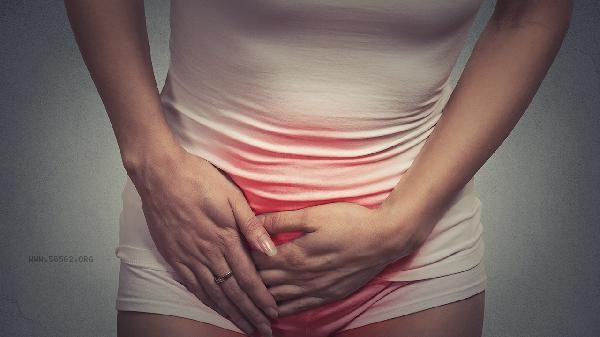
Polycystic ovary syndrome can be treated by traditional Chinese medicine, acupuncture and moxibustion, massage, diet intervention, and exercise therapy. Polycystic ovary syndrome may be related to genetic factors, endocrine disorders, insulin resistance, mental stress, obesity, and other factors, usually manifested as menstrual disorders, hirsutism, acne, infertility, obesity, and other symptoms.
1. Traditional Chinese Medicine Treatment
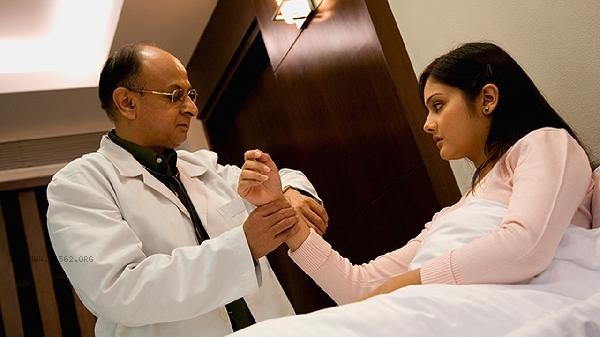
Traditional Chinese medicine believes that polycystic ovary syndrome is related to factors such as kidney deficiency, liver depression, and phlegm dampness. Commonly used traditional Chinese medicines include Guizhi Fuling Wan, Cangfu Daotan Wan, Guipi Wan, etc. Guizhi Fuling Pill can promote blood circulation and remove blood stasis, and is suitable for patients with qi stagnation and blood stasis type. Cangfu Daotan Pill can reduce phlegm and dampness, suitable for patients with phlegm dampness blocking type. Guipi Wan has the effect of invigorating the spleen and nourishing qi, which is helpful for patients with spleen deficiency and dampness. Traditional Chinese medicine should be used after differentiation by a Chinese medicine practitioner, and self medication should be avoided.
2. acupuncture and moxibustion therapy
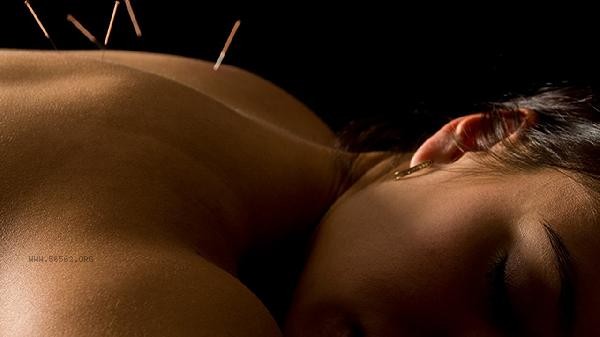
acupuncture and moxibustion regulates endocrine function by stimulating specific points, and commonly used points include Guanyuan, uterus, Sanyinjiao, etc. Acupuncture and moxibustion can improve ovarian blood circulation and regulate the function of hypothalamus pituitary ovary axis. Clinical research shows that acupuncture and moxibustion can reduce testosterone level and restore ovulation function. The treatment should be performed by a professional acupuncture and moxibustion 2-3 times a week for 3 consecutive menstrual cycles.
3. Tuina Massage
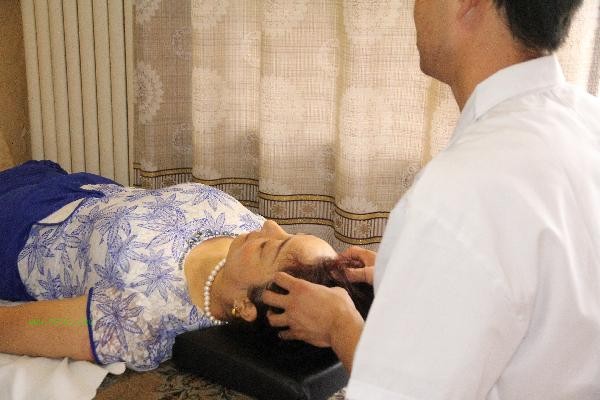
Traditional Chinese massage uses techniques to stimulate meridians and acupoints, including rubbing the abdomen, acupressure, and massage. Focusing on massaging acupoints in the abdomen and lumbosacral region can promote pelvic blood circulation and regulate endocrine function. Self massage can be performed daily for 15-20 minutes each time. Professional massage should be performed 2-3 times a week, and it is more effective when combined with other treatment methods.
4. Dietary Intervention
Traditional Chinese Medicine emphasizes the differentiation of syndromes in dietary regulation. Patients with phlegm dampness type should consume moisture reducing ingredients such as coix seed and adzuki beans. Qi stagnation and blood stasis type can be treated with moderate consumption of foods that promote blood circulation and remove blood stasis, such as hawthorn and roses. Daily diet should control total calories, choose low glycemic index foods, increase intake of vegetables and fruits, and reduce refined carbohydrates and saturated fats.
5. Exercise Therapy
Traditional Chinese Medicine recommends using Ba Duan Jin and Tai Chi to maintain temperature and exercise, 3-5 times a week for 30-45 minutes each time. Aerobic exercise such as brisk walking and swimming can help improve insulin resistance and regulate endocrine function. The intensity of exercise should be gradually increased to avoid excessive fatigue. The traditional technique that combines breathing regulation and mind guidance is more effective. Patients with polycystic ovary syndrome should maintain a regular daily routine and avoid staying up late and overworking. It is recommended to engage in 30 minutes of moderate intensity exercise daily, control total calorie intake in diet, and choose low glycemic index foods. To maintain a relaxed mood, stress can be relieved through meditation, music therapy, and other methods. Regularly monitor indicators such as weight and waist circumference, and record changes in the menstrual cycle. During the treatment period, follow the doctor's advice to regularly check hormone levels and ultrasound examinations, and adjust the treatment plan according to the treatment effect. Traditional Chinese medicine conditioning should be maintained for 3-6 menstrual cycles and should not be rushed. If severe symptoms such as acne and hair loss worsen, timely medical attention should be sought to adjust the treatment plan.





Comments (0)
Leave a Comment
No comments yet
Be the first to share your thoughts!