
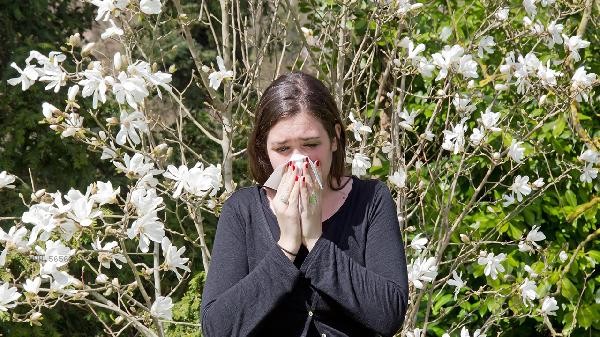
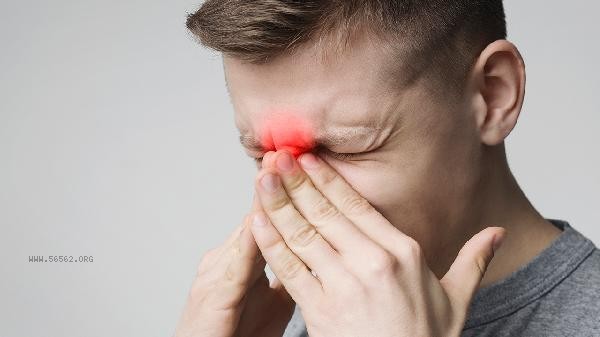
Pollen allergic rhinitis can be treated according to the syndrome differentiation of traditional Chinese medicine. The commonly used methods are Chinese medicine decoction, acupuncture and moxibustion, acupoint application, moxibustion and diet conditioning. Pollen allergic rhinitis is often caused by lung spleen qi deficiency, weak external defense, or wind heat invading the lungs, manifested as symptoms such as nasal itching, sneezing, and runny nose.

1. Traditional Chinese Medicine Decoction
Yupingfeng Powder, modified and suitable for lung spleen qi deficiency type, mainly composed of Huangqi, atractylodes macrocephala, and Fangfeng, can nourish qi and stabilize the surface; Xinyi Qingfei Yin is suitable for wind heat type, containing ingredients such as Xinyi and Scutellaria baicalensis, which can dispel wind, clear heat and unblock the orifices. Traditional Chinese medicine practitioners should adjust the prescription based on tongue and pulse differentiation to avoid self medicating.
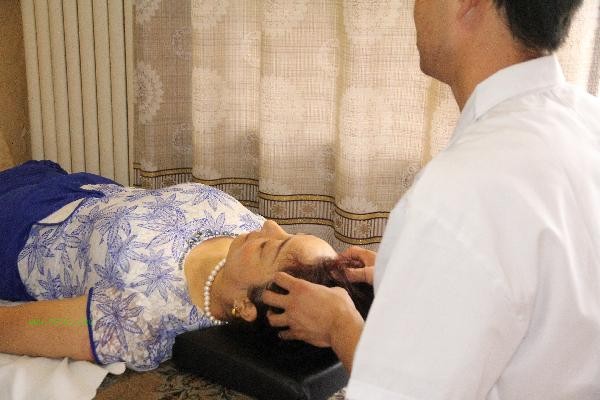
2. acupuncture and moxibustion therapy
Select Yingxiang, Yintang, Hegu and other acupoints to regulate immune function by stimulating meridians. Clinical research shows that acupuncture and moxibustion can reduce the serum IgE level and alleviate nasal mucosa edema. It is recommended to treat 2-3 times a week, with 10 times as one course of treatment. Pregnant women and those with bleeding constitution should use it with caution.
3. Acupoint application
The Sanfu plaster uses warm medicines such as white mustard seed and Xixin to apply to acupoints such as Dazhui and Feishu, stimulating yang qi through transdermal absorption. Winter disease and summer treatment are suitable for patients with seasonal attacks and should be carried out under the guidance of a doctor. It is contraindicated for those with skin allergies.
4. Moxibustion conditioning
Ginger separated moxibustion at acupoints such as Zusanli and Qihai can warm and nourish the spleen and lungs, and improve the constitution of deficiency and coldness. Moxibustion lasts for 15-20 minutes each time, with a degree of local flushing. It is not suitable for people with yin deficiency and excessive fire. Ai smoke may induce asthma attacks and requires attention to protection.
5. Diet conditioning
Chinese yam Congee can be eaten daily to strengthen the spleen and lungs, lily Broth of white fungus soup can moisten the lungs and strengthen the skin, and people should not eat raw and cold seafood and other hair products. During the allergy attack period, avoid spicy and hot foods such as chives and lamb, and supplement fruits and vegetables with high vitamin C content appropriately. During traditional Chinese medicine treatment, it is necessary to avoid contact with pollen, wear masks when going out, and keep the living room clean. When symptoms continue to worsen or asthma attacks occur, timely integrated traditional Chinese and Western medicine treatment should be sought. Physical conditioning should be maintained for 3-6 months, and seasonal patients are recommended to undergo preventive interventions 1-2 months in advance.





Comments (0)
Leave a Comment
No comments yet
Be the first to share your thoughts!