
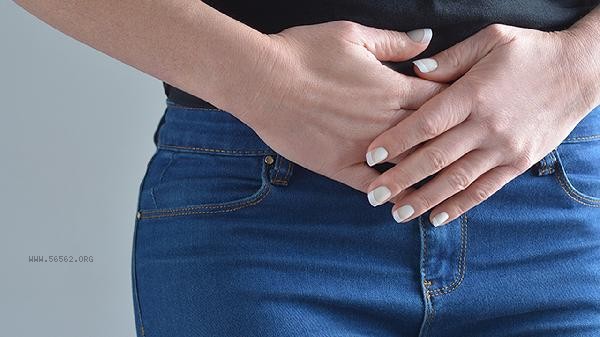
The treatment of ovulation disorders in traditional Chinese medicine is mainly carried out by means of traditional Chinese medicine conditioning, acupuncture and moxibustion therapy, massage, diet regulation and improvement of living habits. Ovulation disorders may be related to factors such as kidney deficiency, liver depression, insufficient qi and blood, phlegm and dampness obstruction, blood stasis, etc., usually manifested as menstrual disorders, infertility, and soreness and weakness of the waist and knees.
1. Traditional Chinese Medicine Regulation
Traditional Chinese medicine believes that ovulation disorders are often related to kidney deficiency, liver depression, and insufficient qi and blood. Commonly used traditional Chinese medicines include Angelica sinensis, Rehmannia glutinosa, and Cuscuta chinensis. Angelica sinensis has the effect of nourishing blood and promoting blood circulation, and is commonly used to treat menstrual disorders caused by insufficient qi and blood. Rehmannia glutinosa can nourish yin and kidney, and improve ovulation disorders caused by kidney deficiency. Dodder seeds can nourish the kidneys and nourish the essence, and help promote follicular development. Traditional Chinese medicine treatment should be based on individual differences in constitution, and it is recommended to use it under the guidance of a professional Chinese medicine practitioner.
2. acupuncture and moxibustion therapy
acupuncture and moxibustion regulates endocrine function by stimulating specific points, and commonly used points include Guanyuan, Sanyinjiao, uterus, etc. Guanyuan acupoint is located three inches below the navel and has the function of warming and tonifying kidney yang. San Yin Jiao is the intersection of the liver, spleen, and kidney meridians, which can harmonize qi and blood. Uterine acupoints are specialized in treating gynecological diseases and can promote the recovery of ovarian function. Acupuncture and moxibustion treatment requires multiple courses of treatment, preferably 2-3 times a week.
3. Tuina massage
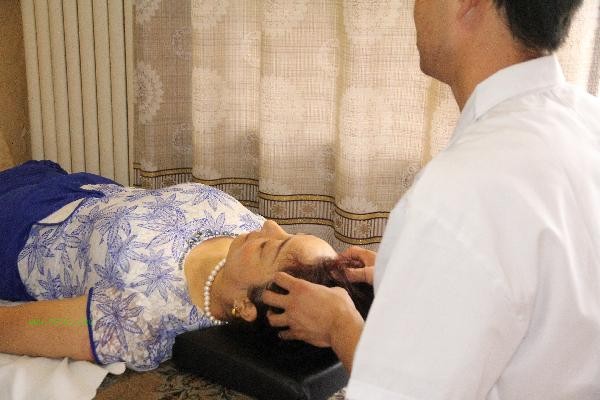
Tuina massage can improve pelvic blood circulation through meridian regulation. Common techniques include clockwise abdominal massage, lumbar and sacral massage, etc. Abdominal massage can promote the circulation of qi and blood in the uterus and ovaries, while lumbar and sacral massage can alleviate lumbar soreness caused by kidney deficiency. Massage should be done with moderate intensity, lasting 15-20 minutes a day, avoiding the menstrual period.
4. Dietary regulation
Traditional Chinese medicine dietary therapy focuses on warming and tonifying the spleen and kidneys, and recommends consuming foods such as black beans, walnuts, goji berries, etc. Black beans are rich in plant estrogen, which helps with follicle development. Walnuts can nourish the kidneys, nourish essence, and improve ovarian function. Lycium barbarum has the effect of nourishing liver and kidney. It can be soaked in water or cooked with Congee. At the same time, one should avoid consuming raw and cold foods to prevent damage to the spleen yang.
5. Improvement of lifestyle habits
Regular sleep is crucial for regulating endocrine function. It is recommended to ensure sufficient sleep and avoid staying up late. Moderate exercise such as Ba Duan Jin and Tai Chi can unblock meridians and regulate qi and blood. Maintain a relaxed mood and avoid long-term mental stress. Pay attention to keeping your abdomen warm, especially during menstruation. Quit smoking and limit alcohol consumption to reduce damage to ovarian function. Traditional Chinese medicine treatment for ovulation disorders requires long-term persistence, and it is recommended to develop personalized plans under the guidance of professional Chinese medicine practitioners. During the treatment period, regular check ups should be conducted to monitor ovulation. Simultaneously cooperate with auxiliary monitoring methods such as basal body temperature measurement and ovulation test strips. If there is still no improvement after 3-6 months of traditional Chinese medicine treatment, it is recommended to combine Western medicine examination to clarify the cause. In daily life, it is important to pay attention to balanced nutrition, maintain moderate exercise, avoid overwork, and create favorable conditions for conception.






Comments (0)
Leave a Comment
No comments yet
Be the first to share your thoughts!