
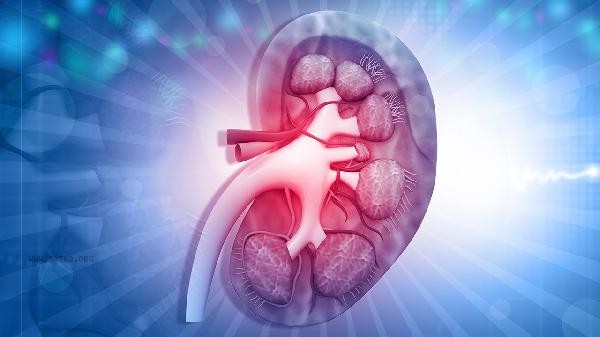
Traditional Chinese medicine treats nephritis mainly by taking Chinese medicine orally, acupuncture and moxibustion, moxibustion, diet conditioning and lifestyle intervention. Nephritis belongs to the categories of edema, deficiency and fatigue in traditional Chinese medicine, and is often related to factors such as spleen kidney yang deficiency, damp heat accumulation, qi stagnation and blood stasis. It needs to be treated based on syndrome differentiation.
1. Oral administration of traditional Chinese medicine
Select the prescription according to the syndrome type. For spleen kidney yang deficiency type, Zhenwu Tang is commonly modified and added, containing Fuzi and Poria cocos, which are warm and beneficial to yang and water; For the damp heat type, choose Bazheng Powder, which contains ingredients such as Plantago asiatica and Quercus acutissima to clear heat and promote diuresis; The Qi stagnation and blood stasis type is mainly treated with Xuefu Zhuyu Tang, which contains ingredients such as peach kernels and red flowers to promote blood circulation and remove blood stasis. Traditional Chinese patent medicines and simple preparations such as Jinshuibao capsule and Huangkui capsule can help improve proteinuria. Traditional Chinese medicine practitioners should prescribe prescriptions based on tongue and pulse differentiation, and avoid self medication.
II. acupuncture and moxibustion therapy
Select Shenshu, Spleen Shu, Zusanli and other acupoints to relieve edema by tonifying the spleen and kidney and dredging the waterways. Moxibustion at acupoints such as Guan Yuan and Qi Hai can warm up yang and transform qi, improving coldness and fatigue. Acupuncture and moxibustion needs to be operated by professional doctors, and treated 2-3 times a week, with Chinese medicine to enhance the efficacy.
III. Dietary Adjustment
Limit salt intake to no more than 3 grams per day to avoid exacerbating edema. Moderate consumption of water beneficial ingredients such as winter melon and adzuki beans, as well as spleen and kidney strengthening ingredients such as yam and water chestnuts. Choose high-quality proteins such as fish and egg whites, and control the total amount to reduce the burden on the kidneys. Avoid spicy, stimulating, and high purine foods.
IV. Lifestyle Intervention
Avoid overexertion and ensure adequate sleep. Moderate practice of soothing exercises such as Ba Duan Jin and Tai Chi can promote the circulation of qi and blood. Pay attention to keeping warm, especially in the waist and abdomen. Quit smoking and limit alcohol consumption to reduce damage to the kidneys and collaterals. Maintain a relaxed mood and avoid worrying and damaging the spleen.
Fifth, External Treatment Therapy
Traditional Chinese medicine fumigation or foot soaking can be used to promote local blood circulation by using Gui Zhi and Ai Ye as isothermal meridian drugs. The application therapy involves applying the powder of blood activating and stasis removing drugs to acupoints in the kidney area to assist in reducing swelling. It should be carried out under the guidance of a physician to avoid skin allergies or burns. Traditional Chinese Medicine emphasizes individualized treatment plans for nephritis, requiring regular follow-up visits to adjust medication. Patients in the acute phase or with severe renal dysfunction should receive timely treatment with Western medicine. Daily monitoring of blood pressure, urine volume changes, and recording of edema degree is necessary. The diet follows the principle of low salt and high-quality protein, avoiding vigorous exercise and infection. If there are critical symptoms such as sudden decrease in urine output and difficulty breathing, seek medical attention immediately.





Comments (0)
Leave a Comment
No comments yet
Be the first to share your thoughts!