
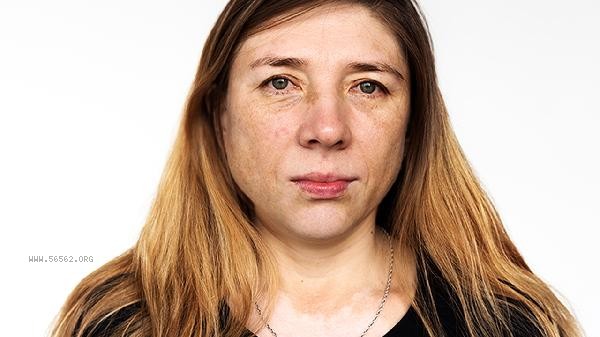
Traditional Chinese medicine treatment for melasma has certain effects, mainly improving pigmentation through internal regulation and external treatment. The traditional Chinese medicine treatment of chloasma mainly includes oral administration of Chinese medicine, acupuncture and moxibustion therapy, external application of Chinese medicine, cupping therapy, diet conditioning and other methods, which need to be treated according to the individual constitution based on syndrome differentiation.

1. Oral administration of traditional Chinese medicine
Traditional Chinese medicine believes that melasma is related to liver depression and qi stagnation, spleen deficiency and excessive dampness, and insufficient kidney yin. Commonly used formulas include Xiaoyao Wan for soothing the liver and relieving depression, Shenling Baizhu San for strengthening the spleen and removing dampness, and Liuwei Dihuang Wan for nourishing yin and tonifying the kidneys. The liver depression type may be accompanied by rib distension and pain, as well as emotional fluctuations. The spleen deficiency type is often characterized by loss of appetite and loose stools, while the kidney deficiency type is often accompanied by soreness and weakness in the waist and knees. Traditional Chinese medicine practitioners should adjust medication based on tongue and pulse conditions to avoid self compatibility.
2. acupuncture and moxibustion therapy
acupuncture and moxibustion regulates the movement of qi and blood by stimulating the points of Ganshu, Spleen Shu, and Shenshu, and improves microcirculation by cooperating with local facial acupoints such as Taiyang and Yintang. Treat 2-3 times a week, with 10 times as one course of treatment, and temporary local bruising may occur. Pregnant women and those with coagulation disorders are prohibited from using it and must operate it in a formal medical institution.
3. External application of traditional Chinese medicine
Radix Angelicae Dahuricae, Rhizoma Atractylodis macrocephalae, Poria cocos and other traditional Chinese medicines are ground into powder and applied base note, which can inhibit tyrosinase activity and reduce melanin synthesis. Mix the medicinal powder and honey into a paste when using, apply for 15 minutes after cleansing every night, and do a skin test for allergic constitution first. Avoiding the use of vitamin A acid in combination with Western medicine may exacerbate irritation.
4. Cupping therapy
can promote the excretion of metabolic waste through the bladder meridian in the back, and when combined with puncture and cupping, can unblock liver meridian blockages. Purple red can marks may appear after operation, which is a normal phenomenon. Patients with skin damage or high fever should not implement it. During treatment, it is important to keep warm and avoid catching a cold.
5. Dietary Adjustment
Daily consumption of kiwi fruit, tomatoes rich in vitamin C, as well as ingredients such as black fungus and white radish that have the effect of promoting blood circulation and removing blood stasis. Avoid spicy, stimulating, and photosensitive foods such as celery and cilantro, and avoid sun exposure that can worsen pigmentation. It is recommended to drink tea substitutes such as rose and tangerine peel to soothe the liver and regulate qi.

Traditional Chinese medicine treatment for melasma needs to be persisted for 3-6 months before it can take effect. During the treatment period, sun protection should be done well, and sunscreen with an SPF of 30 or above should be used. Maintaining a regular daily routine and falling asleep before 11pm can help detoxify the liver and gallbladder. If accompanied by menstrual irregularities, thyroid dysfunction, etc., synchronous treatment of the primary disease is necessary. Acute progression can be treated with laser therapy, but with an interval of at least 2 weeks to avoid skin sensitivity.





Comments (0)
Leave a Comment
No comments yet
Be the first to share your thoughts!