
Chinese medicine treatment of lung cancer can be carried out through Chinese medicine conditioning, acupuncture and moxibustion, moxibustion, Qigong, diet and other methods. Lung cancer may be related to long-term smoking, environmental pollution, genetic factors, occupational exposure, chronic lung diseases, and other factors. It usually manifests as symptoms such as cough, chest pain, hemoptysis, difficulty breathing, and weight loss.
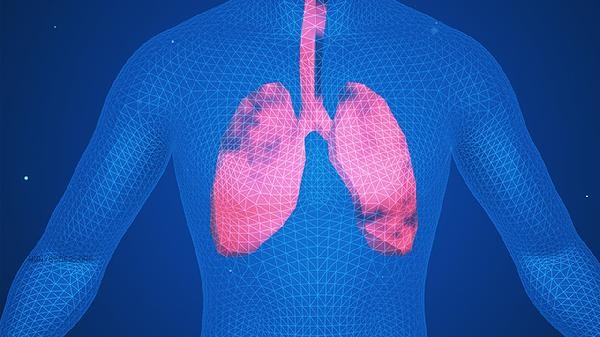
1. Traditional Chinese Medicine Conditioning
Traditional Chinese medicine conditioning is a commonly used method for treating lung cancer in traditional Chinese medicine, mainly by selecting suitable drug combinations based on syndrome differentiation and treatment. Commonly used traditional Chinese medicines include Astragalus membranaceus, Codonopsis pilosula, Atractylodes macrocephala, and other Qi tonifying and spleen strengthening drugs, which can improve patients' immunity. For phlegm dampness type lung cancer, expectorant drugs such as Pinellia ternata and Chenpi can be used. Blood stasis type lung cancer can be treated with blood activating and stasis removing drugs such as Danshen and Sanqi. Traditional Chinese medicine treatment should be carried out under the guidance of a professional Chinese medicine practitioner, and self medication should be avoided.
II. acupuncture and moxibustion therapy
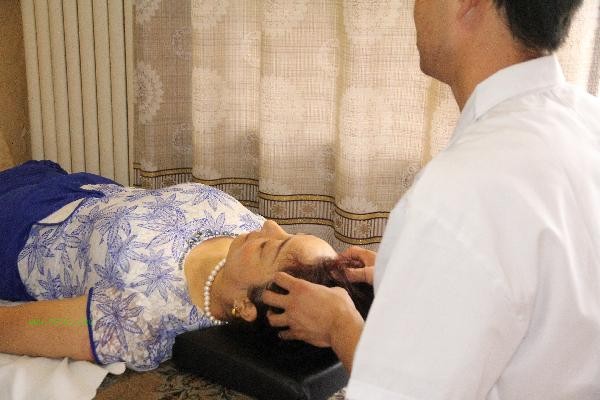
acupuncture and moxibustion therapy can regulate the movement of qi and blood by stimulating specific points to alleviate lung cancer symptoms. Commonly used acupoints include Feishu acupoint, Zhongfu acupoint, Zusanli acupoint, etc., which can improve symptoms such as cough and shortness of breath. Acupuncture and moxibustion treatment shall be performed by professional acupuncture and moxibustion 2-3 times a week. For patients with weak constitution, mild moxibustion can be used instead of acupuncture. During acupuncture and moxibustion treatment, avoid getting cold and keep the treatment site clean.
III. Moxibustion Therapy
Moxibustion therapy uses the heat generated by the burning of moxa sticks to stimulate acupoints, and is suitable for patients with yang deficiency type lung cancer. Commonly used acupoints include Guanyuan acupoint, Qihai acupoint, etc., which can enhance the body's yang qi and improve symptoms of fatigue. During moxibustion treatment, attention should be paid to controlling the temperature to avoid burning the skin. The duration of each treatment should be controlled at 15-20 minutes, 2-3 times a week. If discomfort occurs during the treatment process, stop immediately and consult a physician.
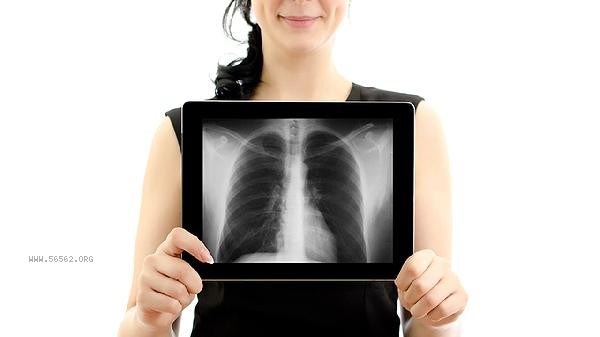
Fourth, Qigong Therapy
Qigong therapy helps lung cancer patients to regulate their overall health through the integration of regulating breath, body, and heart. Traditional qigong techniques such as Ba Duan Jin and Wu Qin Xi can improve lung function and alleviate treatment side effects. When practicing, one should choose a fresh air environment and wear loose clothing. Beginners should follow the guidance of a professional coach to avoid overexertion. Practice for about 30 minutes every day, gradually increasing the intensity.
Fifth, Dietary Regulation
Dietary regulation is an important auxiliary means of traditional Chinese medicine treatment for lung cancer. It is recommended to eat more lungs moistening food such as lily, tremella, snow pear, etc., and avoid spicy and irritant food. Moderate consumption of foods with anti-cancer effects, such as shiitake mushrooms and kelp, is recommended. The diet should be light and easy to digest, with small meals and multiple meals. The main cooking methods are steaming and boiling, avoiding deep frying and grilling. Maintain sufficient water intake and drink 1500-2000 milliliters of water daily. Traditional Chinese Medicine (TCM) treatment for lung cancer should be carried out under the guidance of professional TCM practitioners, and personalized plans should be developed based on individual circumstances. Regular follow-up examinations should be conducted during the treatment period to monitor changes in the condition. Maintain a positive mindset and avoid emotional fluctuations. Ensure adequate sleep and avoid overexertion. Moderate exercise such as walking can enhance physical fitness. Quit smoking, limit alcohol consumption, and avoid exposure to harmful substances such as secondhand smoke. If symptoms worsen or new discomfort occurs, timely medical attention should be sought to adjust the treatment plan.





Comments (0)
Leave a Comment
No comments yet
Be the first to share your thoughts!