
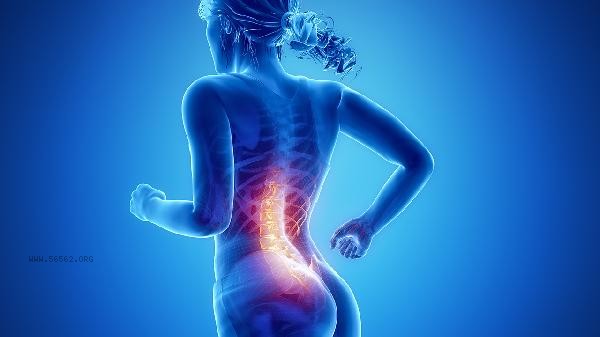
The traditional Chinese medicine treatment of lumbar disc herniation mainly adopts Chinese medicine oral administration, massage manipulation, acupuncture and moxibustion therapy, cupping and scraping, functional exercise and other methods, according to the individual differences of patients.

1. Oral administration of traditional Chinese medicine
Traditional Chinese medicine classifies lumbar disc herniation as "back pain" and "bi syndrome", and commonly uses modified formulas such as Duhuo Parasitic Decoction and Taohong Siwu Decoction for treatment. Cold and dampness type can be treated with herbs such as Fuzi and Guizhi that can disperse cold through isothermal meridian therapy. Blood stasis type commonly uses medicinal herbs such as Danshen and Honghua to promote blood circulation and remove blood stasis. Liver and kidney deficiency type is often accompanied by products such as Du Zhong and Xuduan that nourish the liver and kidneys. Traditional Chinese patent medicines and simple preparations commonly used in clinic include Yaotongning capsule, Guci Xiaotong capsule, Jingyaokang capsule, etc., which should be selected by doctors according to the tongue and pulse manifestations.
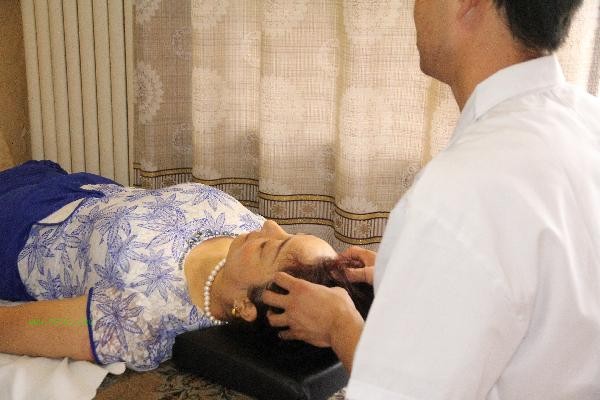
2. Tuina Techniques
Traditional Chinese massage uses techniques such as kneading, acupressure, and oblique manipulation to relieve spasms in the lower back muscles. Rolling is commonly used to relax the erector spinae muscles, plucking is used to relieve tension in the piriformis muscles, and rotation reduction is used to adjust small joint disorders. professional physicians will use fixed-point rotation reduction technique to reduce nerve root compression based on the prominent position displayed on MRI. During the acute phase, violent methods should be avoided, and caution should be used with osteoporosis or spinal stenosis.
3. acupuncture and moxibustion therapy
Acupuncture mainly focuses on the Foot Taiyang Bladder Meridian, commonly used at Shenshu, Dalianshu, Huantiao and Weizhong points, and combined with electroacupuncture to enhance the analgesic effect. Moxibustion is suitable for low back pain of cold dampness type, and can be performed at acupoints such as Mingmen and Yaoyangguan with ginger moxibustion. Floating needle therapy has a good relieving effect on acute nerve root edema, and subcutaneous indwelling needles can maintain continuous stimulation. During treatment, avoid skin damage or infected areas.

4. Cupping and Guasha
cupping therapy applied along the bladder meridian can improve local blood circulation and alleviate muscle stiffness. Acupuncture and cupping are suitable for low back pain of blood stasis type, and cupping is performed after bleeding at the acupoint of Weizhong. Scraping therapy often uses the corner scraping method to act on the area of Huatuo Jiaji acupoint, and can be combined with infrared irradiation after the therapy. People with skin allergies and coagulation disorders are prohibited from using this type of therapy.
5. Functional Exercise
After the acute phase, it is recommended to perform lower back muscle functional training, such as five point support and flying swallow exercises, to enhance the core muscle group. The techniques of "supporting the heavenly principles with both hands and the three burners" and "shaking the head and tail to dispel internal heat" in the Eight Section Brocade can help improve spinal flexibility. The movements of cloud hands, knee hugging and bending steps in Tai Chi can coordinate waist and hip movements. Exercise should follow the principle of gradual progression and avoid excessive forward bending or rotation movements. During traditional Chinese medicine treatment, it is recommended to sleep on a hard bed, avoid prolonged sitting, standing, and lifting heavy objects, and pay attention to keeping the waist warm. It can be assisted by Tonic Diet such as Eucommia Pig Kidney Soup, Angelica Sinensis Ginger Mutton Soup, etc. If there is a significant decrease in lower limb muscle strength or functional impairment of urination and defecation, timely imaging review should be conducted, and if necessary, integrated traditional Chinese and Western medicine treatment should be considered. Waist protection can be worn daily, but the wearing time should not exceed 4 hours per day to prevent muscle atrophy.





Comments (0)
Leave a Comment
No comments yet
Be the first to share your thoughts!