
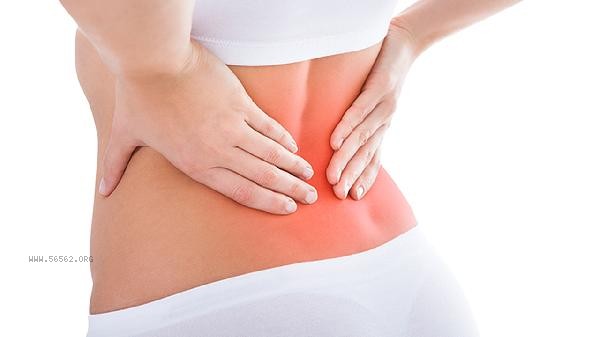
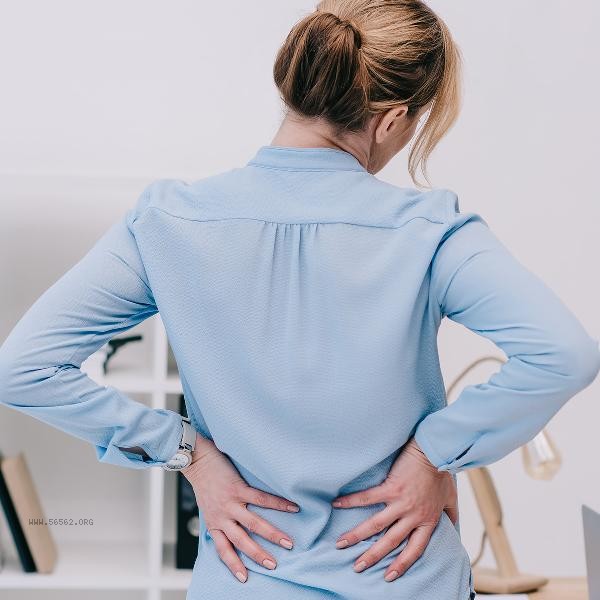
Lumbar disc herniation can be treated by taking Chinese medicine orally, acupuncture and moxibustion and massage, cupping therapy, small needle knife treatment, functional exercise, etc. Lumbar disc herniation is usually associated with long-term strain, trauma, degenerative changes, invasion of cold and dampness, liver and kidney insufficiency, and other factors.

1. Oral administration of traditional Chinese medicine
The prescription for oral administration of traditional Chinese medicine should be selected according to the syndrome type. For cold and damp types, Duhuo Parasitic Decoction can be modified, with ingredients including Duhuo, Mulberry Parasitic, Eucommia ulmoides, etc; For blood stasis type, the body pain and blood stasis removing soup can be selected, which contains ingredients such as gentian, chuanxiong, peach kernels, etc; The liver and kidney deficiency type is commonly treated with Zuo Gui Wan or You Gui Wan. Traditional Chinese medicine should be prescribed by a Chinese medicine practitioner based on syndrome differentiation, and self medication should be avoided. Some patients may experience gastrointestinal discomfort, and it is recommended to take decoctions after meals.
2. acupuncture and moxibustion and Massage
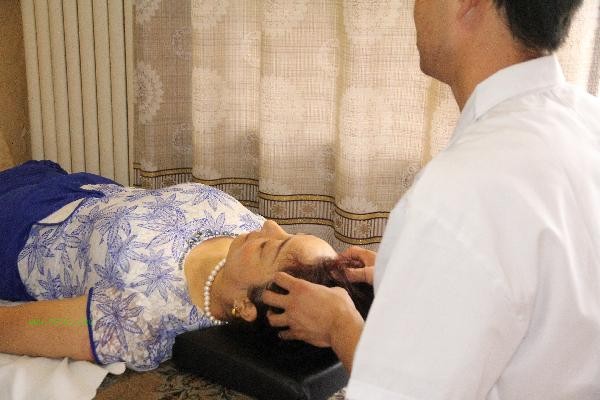
acupuncture and moxibustion often takes Shenshu, Dachangshu, Huantiao, Weizhong acupoints, combined with electroacupuncture to enhance stimulation; Tuina uses rolling and pressing techniques to relax the muscles in the waist, and the technique should be gentle to avoid aggravating the injury. During the acute phase, heavy manual labor should be used with caution and operated by a professional physician. During treatment, there may be a brief feeling of soreness and swelling. If the pain intensifies, it should be stopped immediately.
3. Cupping therapy
involves leaving or removing cupping in areas of lower back pain, which can be combined with needling and cupping to remove blood stasis and unblock collaterals. Individuals with skin damage or coagulation dysfunction are prohibited from using it, and the retention time should be controlled within 5-10 minutes. Local bruising may occur after cupping, which is a normal phenomenon. Avoid contact with water within 24 hours.
4. Small needle knife treatment
is suitable for patients with intervertebral joint disorders by loosening adhesive tissue with a needle knife. Operate under sterile conditions and avoid vigorous activity for 3 days after surgery. A small number of patients may experience transient nerve root irritation symptoms and require close observation.
5. Functional exercise
During the relief period, five point support method and flying swallow style isosceles back muscle training can be performed, combined with gentle exercises such as Eight Section Brocade and Tai Chi. During the acute phase, bed rest is required, and the intensity of exercise should not induce pain. It is recommended to do so under the guidance of a rehabilitation therapist. During traditional Chinese medicine treatment, it is necessary to avoid prolonged sitting and standing, pay attention to keeping the waist warm, sleep on a hard bed, and reduce bending and weight-bearing movements. Diet should be warm and nourish the liver and kidneys, with moderate consumption of black beans, walnuts, lamb, etc. If there is worsening numbness in the lower limbs or dysfunction in urination and defecation, immediate medical attention should be sought to investigate cauda equina syndrome. It is recommended to review and evaluate the efficacy every 2-4 weeks of treatment, and if necessary, combine modern medical interventions.





Comments (0)
Leave a Comment
No comments yet
Be the first to share your thoughts!