
Low blood pressure in the elderly can be improved through various methods such as lifestyle adjustments, medication treatment, and traditional Chinese medicine regulation. Common causes of hypotension include aging, chronic diseases, medication side effects, etc. Treatment should be targeted according to specific reasons.

1. Adjust lifestyle. In terms of diet, elderly people should increase their salt intake, supplement water in moderation, and avoid drinking large amounts of water at once. You can eat more foods rich in iron, vitamin B12, and folate, such as lean meat, eggs, green leafy vegetables, etc. Avoid standing for long periods of time or suddenly changing positions, and move slowly when getting up to reduce the occurrence of orthostatic hypotension. Moderate exercise can help improve blood circulation, such as low-intensity exercises like walking and Tai Chi.
2. Drug therapy. For obvious symptoms of low blood pressure, doctors may prescribe medication for treatment. Commonly used medications include fluorohydrocortisone, which can increase blood volume; Midojun can constrict blood vessels and increase blood pressure; Atropine is suitable for low blood pressure caused by bradycardia. The use of medication should be carried out under the guidance of a doctor, avoiding self adjustment of dosage or discontinuation of medication.
3. Traditional Chinese Medicine Regulation. Traditional Chinese medicine believes that low blood pressure is related to insufficient qi and blood, as well as spleen and kidney yang deficiency, and can be improved by regulating symptoms with traditional Chinese medicine. Commonly used formulas such as Bu Zhong Yi Qi Tang and Gui Pi Tang have the effects of tonifying qi, nourishing blood, and strengthening the spleen and kidneys. Acupuncture and moxibustion and massage are also effective auxiliary treatment methods. Common acupoints include Zusanli, Guanyuan, Qihai, etc., which can regulate the movement of qi and blood and raise blood pressure.
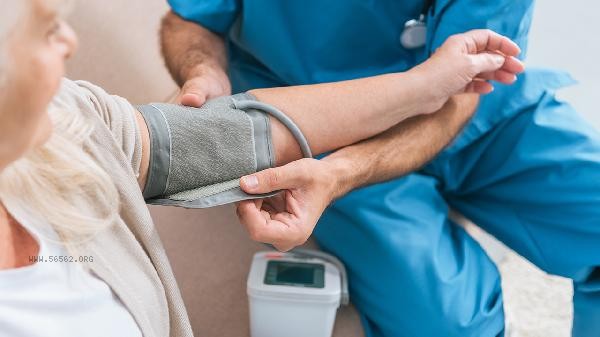
4. Monitoring and follow-up. Elderly people should regularly monitor their blood pressure and record changes in blood pressure. If symptoms such as dizziness, fatigue, and blurred vision occur, seek medical attention promptly to rule out other potential illnesses. For patients with chronic diseases or long-term medication, regular follow-up and adjustment of treatment plans are necessary to avoid drug interactions or side effects that worsen hypotension. The treatment of hypotension in the elderly requires comprehensive consideration of individual circumstances and the adoption of multiple intervention measures. By adjusting lifestyle, medication treatment, and traditional Chinese medicine regulation, symptoms can be effectively improved and quality of life can be enhanced. At the same time, regular monitoring and follow-up are important steps to ensure treatment effectiveness, and elderly people should actively cooperate in adhering to treatment and management.









Comments (0)
Leave a Comment
No comments yet
Be the first to share your thoughts!