
Knee synovitis can be treated by taking Chinese medicine orally, applying Chinese medicine externally, acupuncture and moxibustion, massage, functional exercise, etc. Knee synovitis is usually caused by external injuries, invasion of wind cold dampness, liver and kidney deficiency, blood stasis, degenerative diseases, and other reasons.
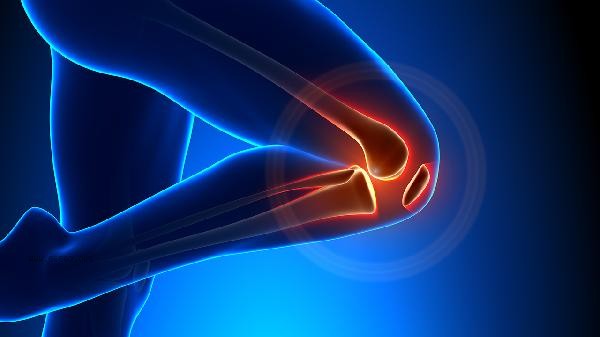
1. Oral administration of traditional Chinese medicine
For wind cold dampness bi type, Duhuo Parasitic Decoction can be modified, containing medicinal herbs such as Duhuo, Mulberry Parasitic, and Gentiana, which can dispel wind, dispel cold, and remove dampness; For the damp heat accumulation type, Si Miao Wan can be selected, which contains ingredients such as Atractylodes macrocephala, Phellodendron amurense, and Achyranthes bidentata, and has the effect of clearing heat and dampness. Zuogui Pill or Yougui Pill is applicable to those with liver and kidney deficiency, including prepared rehmannia, yam and other liver and kidney tonics. Blood stasis type can be treated with Shengtong Zhuyu Tang, which contains ingredients such as peach kernels and red flowers that promote blood circulation and remove blood stasis. Traditional Chinese medicine practitioners should prescribe prescriptions based on syndrome differentiation and avoid self medication.
2. External application of traditional Chinese medicine
In the acute phase of redness, swelling, heat and pain, Jinhuang San can be applied externally, containing heat clearing and detoxifying herbs such as rhubarb and yellow cypress; Chronic joint cold pain can be treated with Shangshi Zhitong ointment, which contains Chuanwu and Caowu isothermal meridian dispelling cold ingredients. You can also use medicinal herbs such as mugwort leaves and safflower to boil soup, smoke and wash, or use lightning fire moxibustion to warm and iron the local area. External application is prohibited for individuals with skin damage, and those with allergies need to undergo patch testing first.
3. acupuncture and moxibustion therapy
Often take points such as Dubi, Heding, Yanglingquan, and cooperate with Zusanli, Sanyinjiao and other distal points. In the acute phase, acupuncture with purging method combined with electroacupuncture stimulation was used, and in the chronic phase, warm acupuncture and moxibustion or ginger separated moxibustion was used. Floating needle therapy has a good effect on synovitis by improving local microcirculation through subcutaneous shallow needling. Treatment should avoid the site of skin infection, and use with caution for those with coagulation dysfunction.
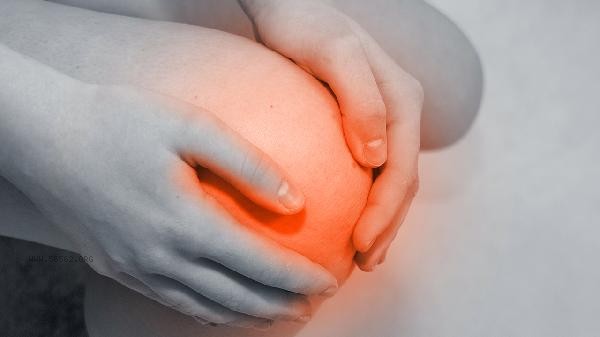
4. Tuina Techniques
In the acute phase, light techniques are used to press the surrounding acupoints. In the chronic phase, rolling and kneading methods can be used to release the quadriceps and hamstring muscles. Joint mobilization surgery can improve patellar mobility, but violent flexion and extension should be avoided. Combined with cupping therapy, it can eliminate local cold and dampness, and cupping therapy is suitable for thigh muscle stiffness. Osteoporosis patients need to control the strength of their manual dexterity.
5. Functional Exercise
After the acute phase, static exercises such as straight leg lifting and ankle pump exercises can be performed, and later strength exercises such as wall squatting and resistance knee extension can be gradually increased. Water walking training can reduce joint load, while Tai Chi Eight Section Brocade helps coordinate lower limb muscle groups. Avoid actions that increase joint wear, such as climbing stairs or squatting, and wear knee pads for protection during exercise. During the treatment period, it is important to keep the knee joint warm and avoid prolonged standing, walking, and vigorous exercise. Overweight individuals should control their diet to reduce joint burden, and can consume moderate amounts of kidney tonifying and bone strengthening foods such as black beans and walnuts. During the acute phase, patients should rest in bed and raise the affected limb, while during the chronic phase, they should continue to undergo quadriceps isometric contraction training. If joint effusion continues to increase or obvious deformities appear, timely imaging examination should be performed to exclude other bone and joint lesions.




Comments (0)
Leave a Comment
No comments yet
Be the first to share your thoughts!