
Ichthyosis can be treated by taking Chinese medicine orally, washing Chinese medicine externally, acupuncture and moxibustion therapy, diet conditioning, emotional conditioning, etc. Fish scale disease may be related to factors such as congenital deficiency, blood deficiency, wind dryness, blood stasis, spleen and stomach weakness, emotional disorders, etc. It usually manifests as dry and flaky skin, fish scale like skin lesions, itching, and other symptoms.
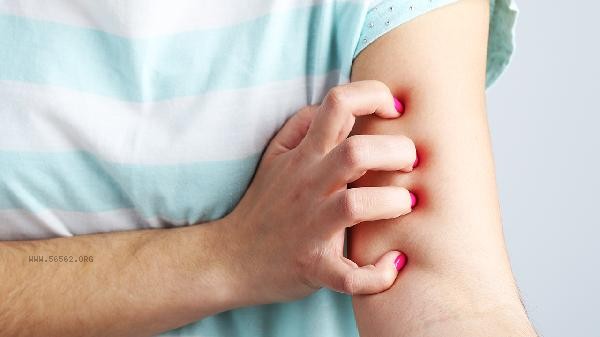
1. Oral administration of traditional Chinese medicine
For blood deficiency and wind dryness type, Runzao Antipruritic Capsules can be used. The main ingredients are Rehmannia glutinosa, Angelica sinensis, Sophora flavescens, etc., which help nourish blood and moisten dryness. Blood stasis blocking type can be treated with Xuefu Zhuyu oral liquid, which contains ingredients such as peach kernels and safflower, and can promote blood circulation and remove blood stasis. People with weak spleen and stomach can take Shen Ling Bai Zhu granules, which contain ginseng, Poria cocos, etc., and can invigorate the spleen and qi. It is necessary to choose a prescription after differentiation by a traditional Chinese medicine practitioner and avoid self medication.
2. External washing with traditional Chinese medicine
30g decoction of Sophora flavescens, Bai Xianpi, and Di Fuzi can relieve itching and is suitable for mild to moderate skin lesions. Applying purple grass oil can moisturize scales and contains ingredients such as purple grass and Angelica sinensis. Severe keratinization can be treated with crushed peach kernels and almonds mixed with honey, but it is contraindicated for those with skin ulcers. Topical drugs need to be tested in small areas first to observe for allergies.
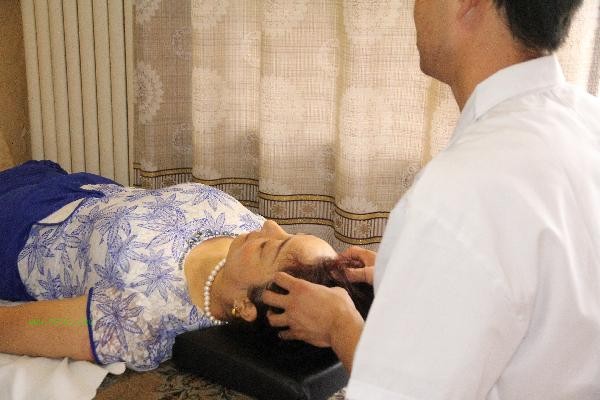
3. acupuncture and moxibustion therapy
Acupuncture at points like Xuehai and Sanyinjiao can improve the symptoms of blood deficiency, and moxibustion at Zusanli can enhance the function of spleen and stomach. Plum blossom needle tapping can promote local blood circulation in the skin lesion area, but it needs to be operated by a professional physician. Ear acupressure selects reflex areas such as the lungs and spleen, and magnetic bead stimulation is changed twice a week.
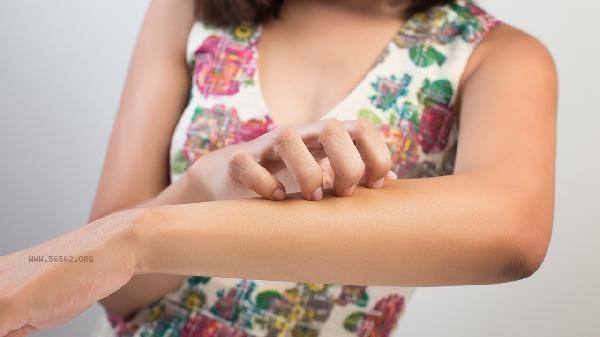
4. Diet conditioning
Daily edible lily Broth of white fungus soup can nourish yin and dry, or black sesame paste can be used to supplement oil. Moderate intake of collagen rich foods such as pig trotters and duck meat. Avoid eating spicy and stimulating foods as well as seafood, and avoid drinking alcohol to worsen dry skin. Winter can increase the intake of nuts such as walnuts and pine nuts.
5. Emotional regulation
Long term anxiety may worsen the condition, and emotions can be regulated through soothing exercises such as Ba Duan Jin and Tai Chi. Music therapy combined with deep breathing exercises can help reduce stress. Family members should avoid excessive attention to the patient's skin lesions and reduce psychological burden. During traditional Chinese medicine treatment, it is necessary to keep the skin clean, the temperature of the bath water should not exceed 40 degrees Celsius, and avoid using alkaline soap. Choose pure cotton material for close fitting clothing, and use a humidifier to maintain environmental humidity in winter. Regularly follow up to adjust treatment plans, and seek medical attention promptly if symptoms such as skin infection, cracking, and bleeding occur. Cooperate with moderate exercise to promote the circulation of qi and blood, but avoid excessive sweating that may irritate the skin.






Comments (0)
Leave a Comment
No comments yet
Be the first to share your thoughts!