
TCM treatment of Helicobacter pylori infection can be coordinated through Chinese medicine conditioning, acupuncture and moxibustion therapy, diet and other ways of intervention, usually combined with the patient's physique syndrome differentiation.

1. Traditional Chinese Medicine Treatment
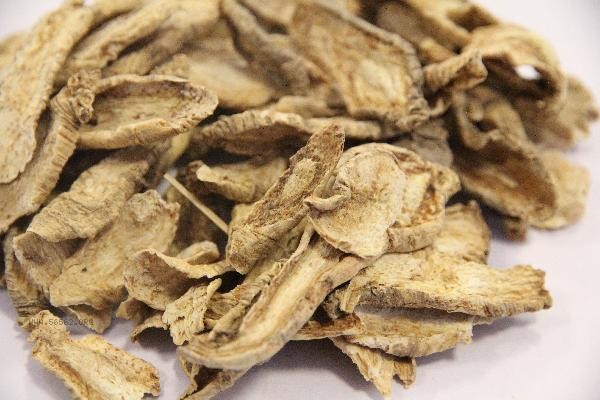
Traditional Chinese medicine treatment is based on the principles of clearing heat and dampness, strengthening the spleen and stomach, and commonly uses modified formulas such as Huanglian Jiedu Tang and Banxia Xiexin Tang. Huanglian and Huangqin have clear antibacterial effects and can be combined with tonifying drugs such as Huangqi and Codonopsis to reduce gastrointestinal mucosal damage. The commonly used clinical preparations include traditional Chinese patent medicines and simple preparations such as Jinghua Weikang Jiaowan, Weifuchun Tablets, etc. The medication scheme should be selected according to different syndromes such as damp heat with moderate resistance, spleen stomach deficiency and cold.
2. acupuncture and moxibustion therapy
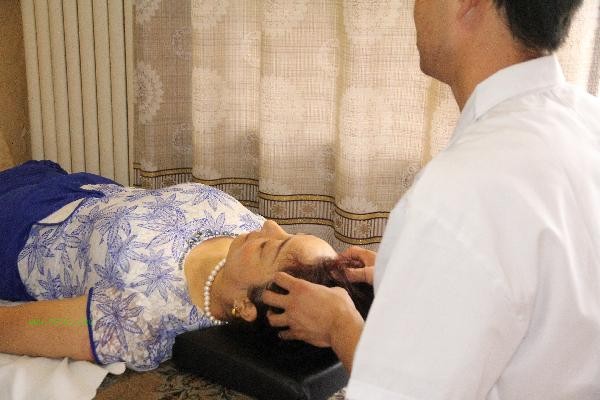
Select Zusanli, Zhongwan, Neiguan and other acupoints for acupuncture or moxibustion to relieve abdominal distention and pain symptoms by regulating gastrointestinal peristalsis and improving local microcirculation. Can be combined with electroacupuncture to enhance stimulation effect, treated 2-3 times a week, with 4 consecutive weeks as one course of treatment. Research shows that acupuncture and moxibustion can reduce gastric acid secretion and enhance mucosal defense.
3. Dietary Management
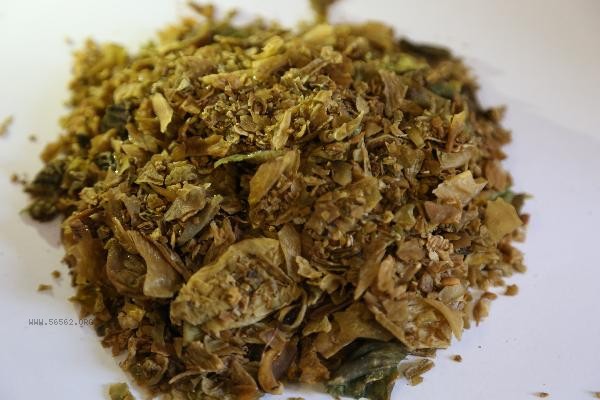
Avoid spicy and pickled foods, and recommend consuming ingredients such as yam, Job's tears, and monkey head mushrooms to strengthen the spleen and nourish the stomach. Dandelion can be used as a substitute for tea to assist in bacteriostasis, and millet porridge can be used to protect gastric mucosa. Diet should be timed and quantified, with chewing and swallowing carefully to reduce gastrointestinal burden.
4. Emotional regulation
Patients with liver qi invading the stomach type need to cooperate with liver soothing and qi regulating treatment, and relieve anxiety through ear acupressure and five element music therapy. Maintain a regular daily routine, avoid emotional fluctuations that may trigger epigastric pain, and seek traditional Chinese medicine emotional counseling if necessary.
5. Combination therapy
For drug-resistant strains or severe infections, it is recommended to use a combination of Chinese and Western medicine. On the basis of Western medicine quadruple therapy, combined with traditional Chinese medicine, it can alleviate the side effects of antibiotic induced intestinal flora disorder, nausea, and improve the eradication rate.
During traditional Chinese medicine treatment, regular follow-up carbon-13/14 breath tests are required. Patients with weak spleen and stomach should take long-term care and avoid raw and cold foods. Keep tableware disinfected and isolated, and family members are advised to screen simultaneously. If there are alarm symptoms such as black stool and continuous weight loss, timely gastroscopy should be performed to rule out the possibility of malignant lesions.





Comments (0)
Leave a Comment
No comments yet
Be the first to share your thoughts!