
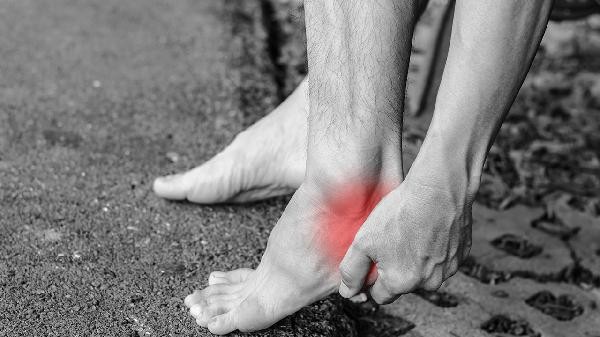
Chinese medicine heel pain can be treated by external application of Chinese medicine, acupuncture and moxibustion and massage, oral administration of Chinese medicine, acupoint application, functional exercise, etc. Heel pain is usually caused by liver and kidney deficiency, blood stasis, invasion of cold and dampness, external injury and strain, and bone spurs in the heel bone.
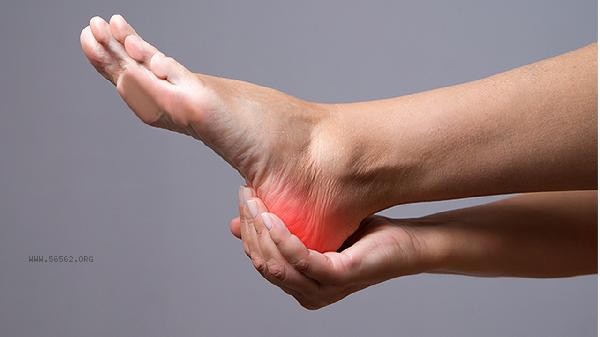
1. External application of traditional Chinese medicine
A paste made from Chinese herbal medicines that promote blood circulation and remove blood stasis is applied to the affected area. Commonly used drugs include Shangshi Zhitong ointment, Xiaotong ointment, Gutong ointment, etc. Suitable for cold and damp or traumatic heel pain, it can relieve local swelling and pain. Clean the skin before applying externally. People with allergies should use it with caution. If there is redness and itching on the skin, stop immediately.
2. acupuncture and moxibustion and Massage
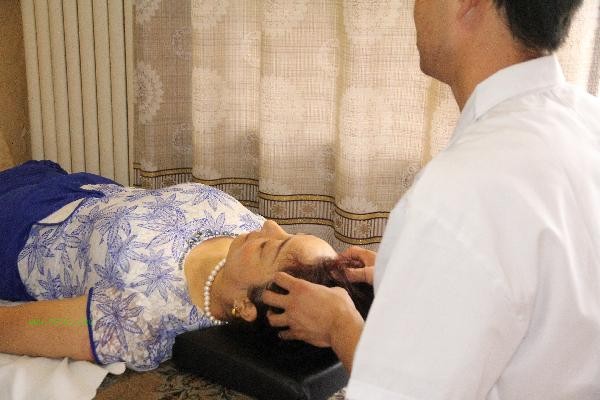
Acupuncture at Taixi, Kunlun and other acupoints together with massage techniques can dredge the Qi and blood of Foot Shaoyin Kidney Channel. It has a significant effect on heel pain caused by liver and kidney deficiency, and can improve blood circulation in the heel area. Treatment should be carried out by professional physicians to avoid self needling that may cause infection or injury.
3. Oral administration of traditional Chinese medicine
Select formulas such as Duhuo Jishi Tang and Taohong Siwu Tang according to the syndrome type, which can be combined with medicinal herbs such as bone broken tonics and Achyranthes. Suitable for pain caused by qi and blood stasis or liver and kidney deficiency, requiring medication based on syndrome differentiation. During medication, avoid raw, cold, and spicy foods. Pregnant women and patients with digestive system diseases should use with caution.
4. Acupoint application
Grind and apply drugs such as mustard seed and Corydalis yanhusuo to the Yongquan acupoint, and stimulate the effect through acupoints. It is more effective for patients with cold and damp heel pain accompanied by lower limb coldness. It is recommended to apply it at night for 6-8 hours. This method is forbidden for patients with damaged skin or diabetes.
5. Functional exercise
includes rehabilitation training such as plantar fascia traction and tiptoe exercises, combined with soaking feet in Sichuan pepper water. Suitable for chronic strain type pain, it can enhance the strength of foot muscles and ligaments. Exercise should be gradual, and during acute attacks, the affected limb should be suspended and raised.
It is recommended to choose soft soled shoes and use arch support pads to avoid prolonged standing and walking. Obese individuals should control their weight and reduce foot load, and pay attention to keeping their feet warm and preventing cold and dampness in winter. If the pain continues to worsen or morning stiffness occurs, it may indicate diseases such as calcaneal bone spurs or ankylosing spondylitis. It is recommended to seek medical attention promptly at a traditional Chinese medicine orthopedics department and cooperate with X-ray examination to confirm the diagnosis. During the treatment period, it is advisable to consume kidney tonifying and bone strengthening ingredients such as black beans and walnuts appropriately, and avoid eating raw and cold foods.





Comments (0)
Leave a Comment
No comments yet
Be the first to share your thoughts!