
Traditional Chinese medicine treatment of alopecia mainly through oral Chinese medicine, external treatment conditioning, acupuncture and moxibustion therapy, diet and emotional regulation and other comprehensive interventions. Hair loss may be related to factors such as liver and kidney deficiency, qi and blood deficiency, damp heat accumulation, blood stasis obstruction, or emotional disorders, and should be treated based on syndrome differentiation.
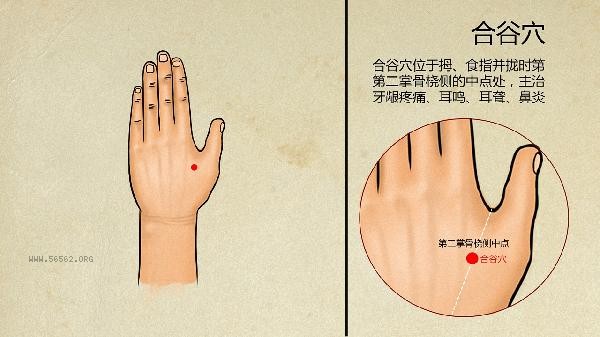
1. For oral administration of traditional Chinese medicine [SEP], select formulas based on syndrome differentiation. For liver and kidney deficiency, add or subtract Qibao Meiran Dan, which contains Polygonum multiflorum, Goji berries, etc; Recommended Bazhen Decoction for Qi and Blood Deficiency, containing ginseng, Atractylodes macrocephala, etc; The commonly used formula for damp heat type is Bixie Shenshi Tang, which contains ingredients such as Huangbai and Atractylodes macrocephala. Traditional Chinese medicine practitioners should adjust the prescription based on tongue and pulse conditions to avoid self medication. Typical accompanying symptoms include sparse hair, greasy scalp, or dry and flaky scalp.
2. External treatment and conditioning [SEP]: Wash the scalp with decoction of side cypress leaves, Angelica sinensis, Chuanxiong, etc., or apply Polygonum multiflorum tinctures to the scalp. Plum blossom needle tapping can stimulate hair follicles, and combined with local friction of ginger slices, promote blood circulation. Suitable for blood stasis type hair loss, characterized by scalp pain and clear boundaries of the hair loss area. During external treatment, it is necessary to observe whether there are any allergic reactions on the skin.
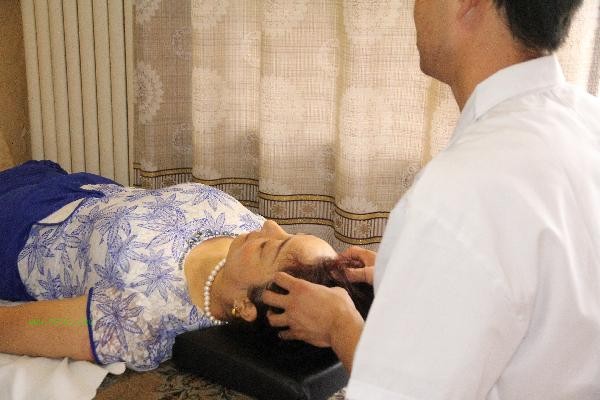
3. acupuncture and moxibustion therapy
Select Baihui, Sishencong, Fengchi and other head acupoints in combination with Zusanli, Sanyinjiao and other remote acupoints, liver and kidney deficiency plus Taixi, and insufficient qi and blood plus Qihai. Adopting the method of using filiform needles to tonify and relieve diarrhea, or combined with moxibustion at the Shenshu acupoint. Treating 2-3 times a week has a significant effect on alopecia areata caused by mental stress.
4. Dietary regulation
recommends kidney tonifying ingredients such as black sesame, walnut kernels, mulberries, etc., paired with yam and red dates to invigorate the spleen and qi. Damp heat type should eat less spicy and greasy food, and drink Coix seed red bean Congee. Rose and hawthorn should be used as tea drinks for people with blood stasis constitution. Daily intake of high-quality protein such as fish and eggs can be increased to avoid exacerbating hair loss through dieting and weight loss.
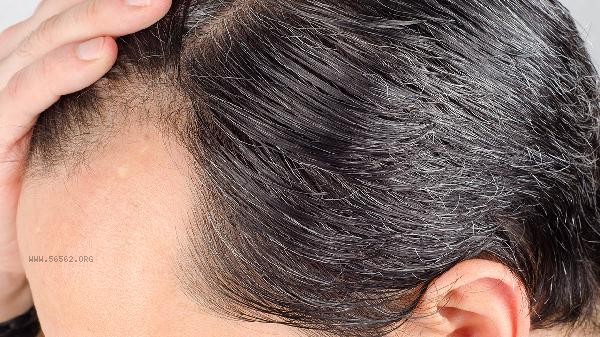
5. Emotional regulation
Long term anxiety and staying up late can exacerbate liver and kidney damage, and can be relieved through techniques such as Eight Section Brocade and guided therapy. Individuals with liver qi stagnation can use Chaihu Shugan San in combination with psychological counseling to ensure that they fall asleep before 23:00 at night. It is recommended to comb your hair at least 100 times a day, using a horn comb to comb along the meridians.
During the treatment period, the efficacy should be observed for 3-6 months to avoid frequent protocol changes. Simultaneously exclude organic problems such as thyroid disease and anemia. Reduce physical damage such as dyeing, scalding, and high temperature blowing in daily life, and control the washing water temperature below 40 ℃. If there are signs of infection such as scalp redness, swelling, and pustules, external treatment drugs should be stopped in a timely manner and medical attention should be sought. Maintaining a regular schedule and moderate exercise can help improve hair follicle microcirculation.





Comments (0)
Leave a Comment
No comments yet
Be the first to share your thoughts!