
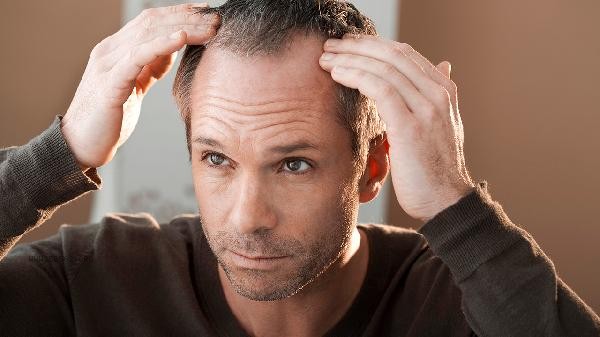
Hair loss can be treated by TCM conditioning, drug treatment, acupuncture and moxibustion therapy, diet regulation, lifestyle improvement, etc. Hair loss is usually caused by insufficient qi and blood, liver and kidney yin deficiency, damp heat accumulation, blood stasis obstruction, emotional disorders, and other reasons.
1. Traditional Chinese Medicine Regulation
Traditional Chinese medicine believes that hair loss is related to factors such as insufficient qi and blood, liver and kidney yin deficiency, and can be improved by taking traditional Chinese medicine orally or externally. Common prescriptions include Qibao Meiran Dan, Danggui Buxue Tang, etc., which have the effects of nourishing the liver and kidneys, nourishing blood and promoting hair growth. Traditional Chinese Medicine (TCM) treatment should be based on individual physical constitution differentiation, and it is recommended to seek guidance from professional TCM practitioners. Hair loss patients often have symptoms such as dry hair and itchy scalp, and traditional Chinese medicine can help improve these accompanying symptoms.
II. Drug treatment
Under the guidance of doctors, traditional Chinese patent medicines and simple preparations such as Yangxue Shengfa capsule, Tianma Shouwu tablet, Jingwu capsule can be used to treat hair loss. These drugs have the effects of nourishing the liver and kidneys, nourishing qi and blood, and are suitable for hair loss caused by liver and kidney deficiency. During drug treatment, attention should be paid to observing the efficacy and adverse reactions, and the dosage should not be increased or decreased on one's own. Hair loss may be related to factors such as endocrine disorders and malnutrition, and medication treatment should be combined with other conditioning methods.
III. acupuncture and moxibustion therapy
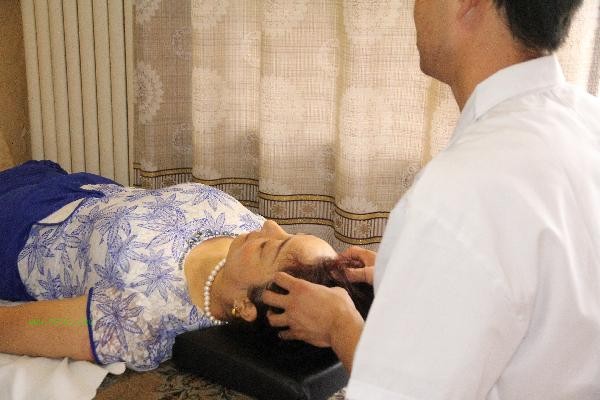
acupuncture and moxibustion is often used to treat hair loss by selecting Baihui, Fengchi, Zusanli and other acupoints to improve scalp blood circulation by stimulating meridians. Acupuncture and moxibustion can regulate the movement of qi and blood, promote the nutrition supply of hair follicles, and has a certain effect on alopecia areata and seborrheic alopecia. Acupuncture and moxibustion treatment should be performed by professional doctors, generally 10-15 times as a course of treatment. Hair loss patients are often accompanied by symptoms such as more oil on the scalp and more dandruff. acupuncture and moxibustion can help alleviate these symptoms.
Fourth, Dietary Regulation
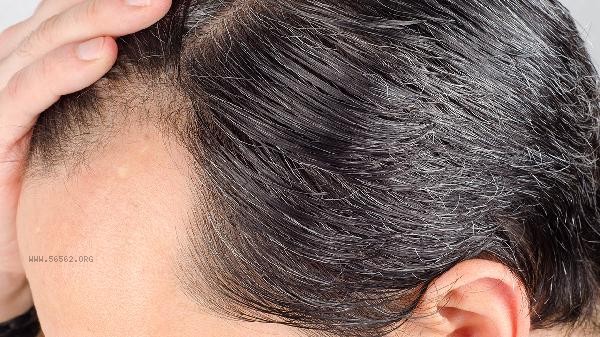
Hair loss patients should ensure a balanced nutrition and consume foods such as black sesame, walnuts, goji berries in moderation. These foods are rich in protein, vitamins, and trace elements, which help with hair growth. Avoid spicy and greasy foods, and reduce the intake of tobacco and alcohol. Dietary regulation requires long-term adherence and is more effective when combined with other treatment methods. Hair loss may be related to deficiencies in trace elements such as iron and zinc, and attention should be paid to supplementing these nutrients in the diet.
Fifth, Improving Lifestyle Habits
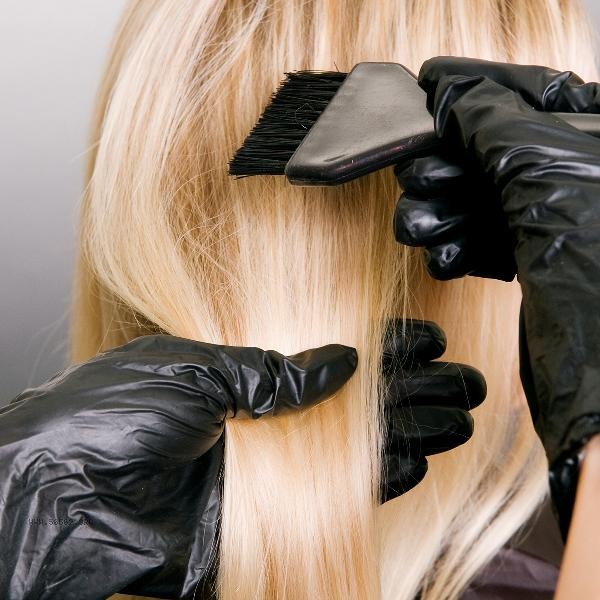
Maintaining a regular schedule, avoiding staying up late and overworking, can help improve hair loss. Reduce chemical treatments such as hair dyeing and perming, and choose gentle shampoo products. Proper scalp massage can promote local blood circulation. Excessive stress may worsen hair loss, and one should learn to regulate their emotions and maintain a happy mood. Hair loss patients should avoid excessive pulling of their hair and use gentle movements when combing.
Hair loss treatment requires comprehensive conditioning, and although traditional Chinese medicine methods are slow to take effect, their side effects are relatively small. It is recommended that patients develop personalized treatment plans under the guidance of professional physicians and adhere to treatment for 3-6 months to observe the effect. In daily life, attention should be paid to hair care, avoiding using overheated water to wash hair, and reducing the use of high temperature hair dryers. Maintaining a balanced diet, moderate exercise, and regulating psychological stress can all help improve hair loss symptoms. If hair loss continues to worsen or is accompanied by other discomforts, timely medical examination should be sought to rule out the possibility of other diseases.



Comments (0)
Leave a Comment
No comments yet
Be the first to share your thoughts!