
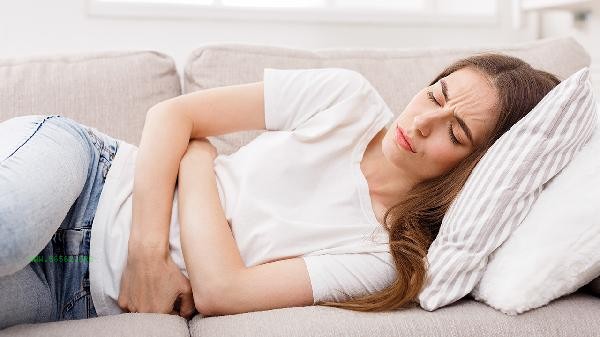
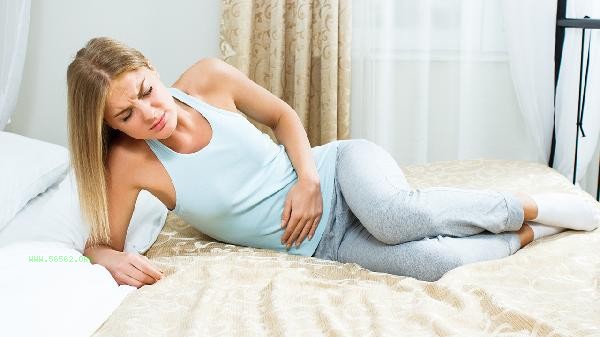
gastrointestinal flatulence can be treated by means of diet, oral administration of Chinese medicine, acupuncture and moxibustion, massage, acupoint application, etc. Gastrointestinal bloating may be related to improper diet, spleen and stomach weakness, emotional disorders, external cold pathogens, qi stagnation and blood stasis, and other factors. It usually manifests as symptoms such as bloating, belching, and decreased appetite.
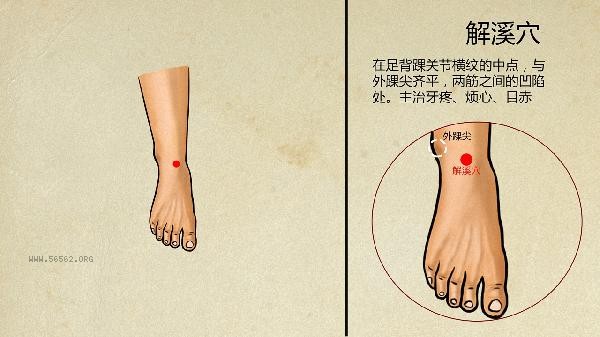
1. Dietary regulation
Traditional Chinese medicine believes that gastrointestinal bloating is closely related to irregular diet. It is recommended to reduce the intake of easily gas producing foods such as beans and potatoes, and consume moderate amounts of digestive and stasis inducing ingredients such as white radish and hawthorn. Those with spleen and stomach deficiency can drink ginger brown sugar to dissipate cold in water temperature, and those with damp heat can use coix seed Congee to strengthen spleen and promote dampness. Chew slowly and avoid overeating in daily life.
2. Oral administration of traditional Chinese medicine
Qi stagnation type can be treated with modified Chaihu Shugan San, which contains qi regulating herbs such as Chaihu and Xiangfu. Recommended for food accumulation type is Baohe Wan, which contains digestive ingredients such as hawthorn and Shenqu. The deficiency cold type is suitable for Lizhong Tang, which contains dry ginger and Atractylodes macrocephala as isothermal tonics. Attention should be paid to syndrome differentiation and treatment. For example, Muxiang Shunqi Wan is suitable for abdominal distension and fullness, while Zhishi Daozhi Wan is suitable for constipation type bloating.
3. acupuncture and moxibustion therapy
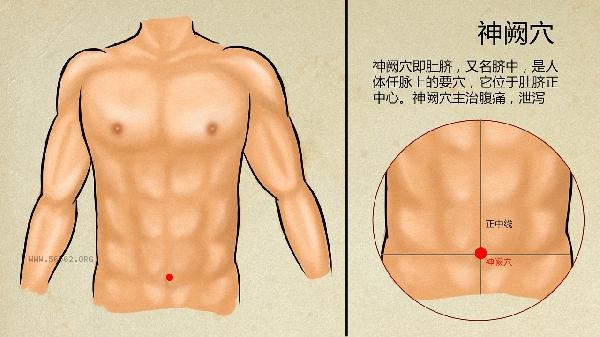
The acupoints such as Zhongwan and Zusanli are often selected to dredge the spleen and stomach meridians and coordinate with Neiguan to regulate the qi mechanism. Cold syndrome can be treated with moxibustion at Shenque acupoint to warm yang and dispel cold, while hot syndrome can be treated with acupuncture at Gongsun acupoint to clear heat and relieve stagnation. Treat 2-3 times a week, with 10 times as one course of treatment. Pregnant women and those with bleeding constitution should use with caution.
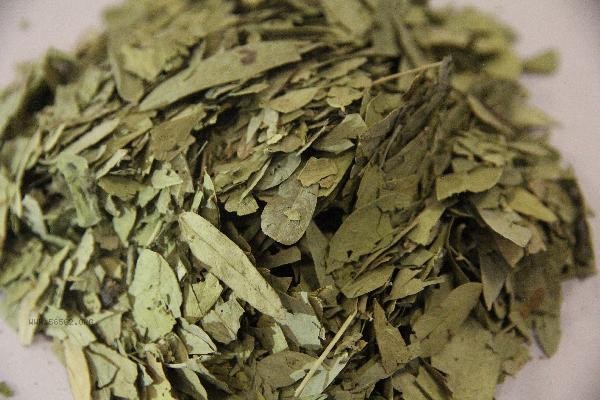
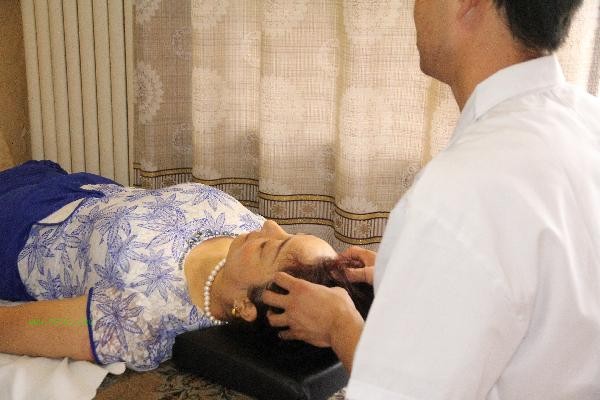
4. Tuina massage
uses the abdominal massage method to massage the abdomen clockwise to promote intestinal peristalsis, and clicks on acupoints such as Tian Shu and Qi Hai to regulate gastrointestinal function. Spinal therapy can improve spleen and stomach circulation by massaging along the bladder meridian. Operate one hour after waking up in the morning or after meals, with the intensity measured by heat transfer. Prohibited during acute inflammation.
5. Acupoint application
Grind medicinal herbs such as Wu Zhu Yu and cinnamon and apply them to Shen Que acupoint, suitable for deficiency cold type bloating. Empirical evidence can be used to apply mirabilite plaster to the Yongquan acupoint to induce downward airflow. Apply for 4-6 hours daily, and those with skin allergies should stop using it immediately. The effect is better when combined with finished products such as Dingguier navel patches.
In daily life, one should pay attention to maintaining a relaxed mood and avoid worries, anger, and damage to the liver and spleen. Develop a habit of regular bowel movements and engage in moderate exercise such as Eight Section Brocade and Tai Chi to promote the circulation of qi. Long term bloating accompanied by weight loss, rectal bleeding, and other symptoms require timely medical attention to rule out organic diseases. During the treatment period, avoid eating raw, cold, greasy foods. It is recommended to regularly massage the Zusanli acupoint to enhance spleen and stomach function.



Comments (0)
Leave a Comment
No comments yet
Be the first to share your thoughts!