
Traditional Chinese medicine treats female infertility mainly by regulating qi and blood, balancing yin and yang, dredging the meridians and other ways to improve reproductive function. Common methods include oral Chinese medicine, acupuncture and moxibustion, moxibustion, massage, diet conditioning, etc. Infertility may be related to factors such as kidney deficiency, liver depression, insufficient qi and blood, phlegm and dampness obstruction, and uterine coldness and coagulation. Treatment should be based on individual constitution differentiation.

1. Oral administration of traditional Chinese medicine [SEP]. For infertility of kidney yang deficiency type, Yougui Wan is commonly used to warm and supplement kidney yang, accompanied by symptoms such as late menstruation and cold limbs; For liver depression and qi stagnation type, Xiaoyao San can be used to soothe the liver and relieve depression, often accompanied by premenstrual breast swelling and pain, and emotional fluctuations; The type of Qi and blood deficiency is suitable for supplementing Qi and blood with Bazhen Tang, which is commonly seen in cases of low menstrual flow and pale complexion. Phlegm dampness type can be treated with Cangfu Daotan Wan to reduce phlegm and dampness. Patients are often accompanied by obesity and thick vaginal discharge. Traditional Chinese medicine should be prescribed by a physician based on tongue and pulse differentiation, and self medication should be avoided.
2. acupuncture and moxibustion therapy
Select Guanyuan, uterus, Sanyinjiao and other acupoints to regulate the Chong and Ren meridians, kidney deficiency plus moxibustion at Mingmen and Taixi, and liver stagnation plus acupoint Taichong for relief. Acupuncture and moxibustion improves ovarian blood flow and endometrial receptivity by stimulating specific meridians, which is effective for ovulation disorders and luteal insufficiency. The treatment should last for more than 3 menstrual cycles, and the injection should be suspended during menstruation. Electroacupuncture can enhance stimulation, but it should be avoided for individuals with coagulation dysfunction.
3. Moxibustion therapy
Ginger separated moxibustion at acupoints such as Shenque and Qihai can warm up the uterus, suitable for infertility with cold abdominal pain and dark blood color in the meridians. Thunder fire moxibustion combined with traditional Chinese medicine infiltration can improve pelvic adhesions, but it is necessary to prevent low-temperature burns. Individuals allergic to mugwort should switch to smokeless mugwort sticks, and those with yin deficiency and excessive fire constitution should use them with caution. 2-3 times a week, alternating with acupuncture and moxibustion is better.
4. Massage and Massage
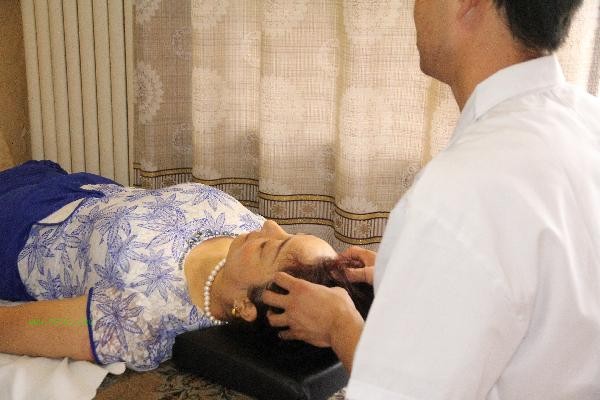
The combination of abdominal palm massage and point pressing on the acupoints can promote pelvic circulation, while the lumbar sacral rolling method can alleviate inflammatory adhesions in the fallopian tubes. Pressing the plantar reproductive reflex zone regulates the function of the hypothalamic pituitary ovarian axis. The technique should be gentle and avoid violence. Patients with uterine fibroids should avoid heavy abdominal pressure. It is recommended to operate for 10 minutes before going to bed every morning for 3 consecutive months.
5. Diet conditioning
People with kidney deficiency eat black beans and walnuts Congee to replenish the kidney and essence, use angelica ginger lamb soup to warm up blood deficiency, and recommend coix seed yam Congee to invigorate the spleen and remove dampness for phlegm dampness constitution. Avoid raw and cold foods that worsen uterine coldness, and avoid spicy and stimulating foods during menstruation. Moderate consumption of rose tea can soothe the liver and increase the intake of high-quality protein during ovulation. Dietary therapy requires long-term adherence and physical adjustment.
Traditional Chinese medicine treatment requires staged intervention based on the menstrual cycle, nourishing the kidneys and yin in the later stage, warming the yang and unblocking the meridians during ovulation, and soothing the liver and regulating qi in the early stage. It is recommended to maintain a regular daily routine, avoid staying up late and feeling emotionally tense, and moderately practice soothing exercises such as Ba Duan Jin and Tai Chi. During the treatment period, regular monitoring of basal body temperature and ovulation status is necessary. If pregnancy has not occurred for six months, Western medicine examination should be conducted to determine the cause. Pay attention to keeping the waist and abdomen warm in winter, avoid indulging in cold drinks, and control the frequency of sexual intercourse once every other day during ovulation.






Comments (0)
Leave a Comment
No comments yet
Be the first to share your thoughts!