
Excessive stomach acid can be treated by means of Chinese medicine conditioning, diet regulation, Chinese medicine treatment, acupuncture and moxibustion therapy, massage, etc. Excessive stomach acid may be related to factors such as improper diet, emotional disorders, spleen and stomach weakness, liver stomach disharmony, and external pathogens invading the stomach. It usually manifests as symptoms such as acid reflux, heartburn, epigastric pain, belching, nausea and vomiting.

1. Traditional Chinese Medicine Treatment
Traditional Chinese Medicine treatment for excessive stomach acid requires differentiation and treatment. For liver stomach disharmony, Chaihu Shugan San can be modified. For spleen stomach weakness, Xiangsha Liujunzi Tang can be used. For stomach heat and excessive heat, Zuojin Wan can be used. During the conditioning period, it is necessary to avoid emotional fluctuations, maintain a regular schedule, and engage in moderate exercise to enhance spleen and stomach function. Traditional Chinese medicine conditioning requires long-term adherence and is recommended to be carried out under the guidance of professional Chinese medicine practitioners.
2. Dietary regulation
Dietary regulation is a basic measure to improve excessive stomach acid, and it is advisable to eat small meals frequently to avoid overeating. Appropriate amount of digestible food such as millet porridge, yam and pumpkin can be eaten, and spicy, stimulating, greasy and sour food should be avoided. Chew carefully and swallow slowly when eating, and avoid lying flat for one hour after a meal. It is not advisable to eat 2 hours before bedtime to reduce nighttime gastric acid secretion.
3. Traditional Chinese Medicine Treatment
Traditional Chinese medicine is commonly used to treat excessive stomach acid, such as sea squirt and calcined corrugated stone, which can be combined with Codonopsis pilosula and Atractylodes macrocephala to strengthen the spleen and stomach. Traditional Chinese patent medicines and simple preparations such as Xiangsha Yangwei Pill, Baohe Pill, Zuojin Pill, etc. need to be used according to the syndrome. Traditional Chinese medicine treatment should pay attention to the contraindications of drug compatibility and avoid taking it together with Western antacids. It is recommended to choose a suitable formula under the guidance of a traditional Chinese medicine practitioner.

4. acupuncture and moxibustion therapy
acupuncture and moxibustion is often used to treat hyperacidity at Zusanli, Zhongwan, Neiguan and other points, and the manipulation of tonifying and reducing is used. Acupuncture and moxibustion can regulate autonomic nervous function, inhibit gastric acid secretion, and alleviate acid regurgitation. Generally, 10-15 treatments are required as one course of treatment. In the acute phase, treatment can be given once a day, and in the remission phase, treatment can be given once every other day. Acupuncture and moxibustion treatment should be performed by professional acupuncture and moxibustion.
5. Tuina massage
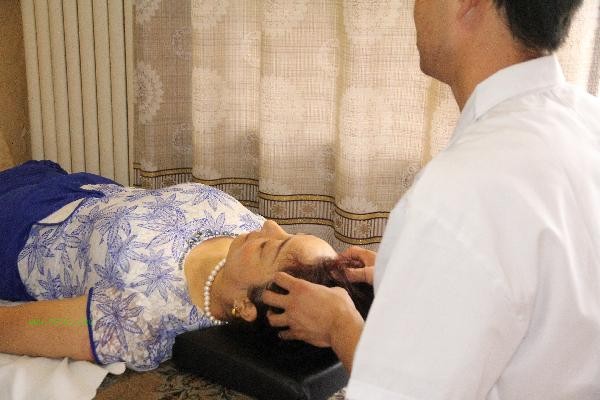
Tuina massage can promote gastrointestinal peristalsis and regulate gastric acid secretion by rubbing and pressing the Zhongwan acupoint, rubbing the abdomen, and other techniques. You can massage your abdomen clockwise 100 times a day, or tap acupoints such as Neiguan and Zusanli. The massage intensity should be gentle and avoid immediate use after meals. Patients with severe gastric ulcers should use abdominal massage with caution. Patients with excessive stomach acid should pay attention to maintaining emotional stability and avoiding anxiety and tension in daily life. Eat regularly and in moderation, quit smoking and limit alcohol consumption, and reduce intake of strong tea and coffee. During sleep, the head of the bed can be raised 15-20 centimeters to prevent nighttime reflux. Moderate walking, Tai Chi and other soothing exercises can enhance spleen and stomach function. If the symptoms persist or worsen, timely medical examination should be sought to rule out organic diseases such as gastric ulcers and reflux esophagitis. Traditional Chinese medicine treatment requires persistence for more than 3 months to achieve stable results, and regular follow-up visits should be made to adjust the treatment plan during the treatment period.






Comments (0)
Leave a Comment
No comments yet
Be the first to share your thoughts!