
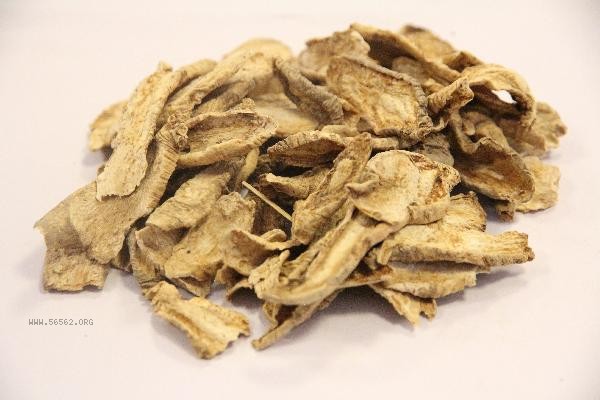
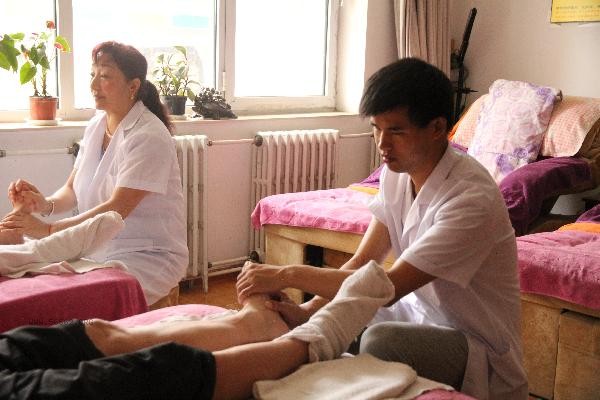
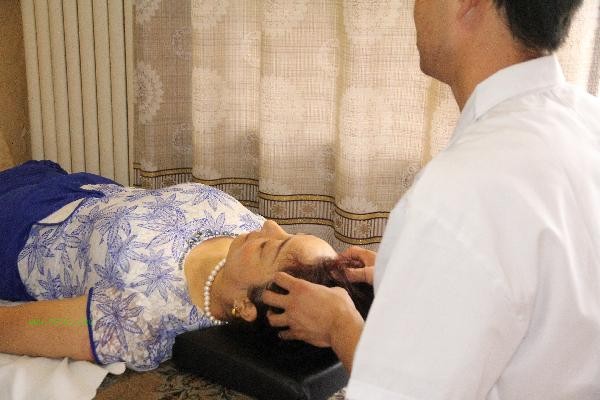
Traditional Chinese medicine can be used as an auxiliary method for treating epilepsy, but it needs to be combined with standardized Western medicine treatment. Epilepsy is a neurological disease, and traditional Chinese medicine may help alleviate some symptoms through syndrome differentiation and treatment, but it cannot replace modern medical core treatments such as antiepileptic drugs or surgery. Traditional Chinese medicine believes that epilepsy is related to factors such as liver wind internal movement, phlegm turbidity obstructing the orifices, and blood stasis. Common treatment methods include calming the liver and eliminating wind, resolving phlegm to open the orifices, and promoting blood circulation and unblocking collaterals. Formulas such as Tianma Gouteng Yin and Dingxian Wan may have a certain effect on reducing the frequency of seizures in some patients. Acupuncture and moxibustion points such as Baihui and Fengchi may help regulate nerve function. Some traditional Chinese medicines such as Gouteng, Tianma, and Acorus tatarinowii have the effect of calming and calming the mind, but their effectiveness is limited when used alone. The treatment cycle of traditional Chinese medicine is relatively long, and the plan needs to be adjusted according to individual constitution to avoid using formulas containing toxic ingredients such as cinnabar and realgar. During epileptic seizures, priority should still be given to Western medical emergency measures such as maintaining airway patency and preventing bites. Long term treatment should be based on antiepileptic drugs such as sodium valproate sustained-release tablets and levetiracetam tablets under the guidance of a neurologist, with regular monitoring of blood drug concentration and electroencephalogram. Modern therapies such as ketogenic diet and vagus nerve stimulation can also be used as supplements. Patients should avoid factors such as staying up late, drinking alcohol, and flash stimulation. Activities such as swimming and high-altitude work should be prohibited before the onset is under control.
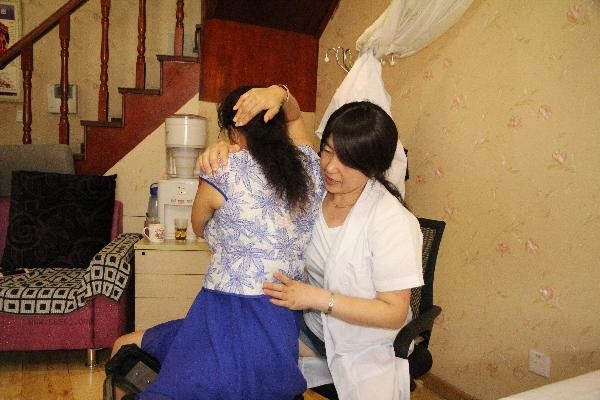
It is recommended that patients develop a combination of traditional Chinese and Western medicine treatment plan under the guidance of a neurologist and not stop using Western medicine without authorization. During the treatment period, record the occurrence of seizures and regularly review the electroencephalogram and liver and kidney function. Maintain a regular schedule and emotional stability, and family members need to learn emergency treatment when experiencing an attack. If the frequency of attacks increases or persists, seek medical attention immediately.





Comments (0)
Leave a Comment
No comments yet
Be the first to share your thoughts!