
Epilepsy can be treated by Chinese medicine conditioning, acupuncture and moxibustion therapy, massage, diet, emotional regulation and other ways of intervention. Traditional Chinese medicine believes that epilepsy is often related to factors such as wind, fire, phlegm, blood stasis, and deficiency, and requires differentiation and treatment.
I. Traditional Chinese Medicine Conditioning
traditional Chinese patent medicines and simple preparations, such as Dingxian Pill, Mengshi Guntan Pill, Tianma Gouteng Granule, are commonly used in traditional Chinese medicine to treat epilepsy. Dingxian Pill contains ingredients such as Tianma and Gouteng, and is suitable for liver wind induced epilepsy; Mengshi Rolling Phlegm Pill can dissolve phlegm and open the orifices, and is used for the onset of phlegm heat disturbing the spirit type; Tianma Gouteng granules can calm the liver and dispel wind, and are effective in treating liver yang hyperactivity. It should be selected by a traditional Chinese medicine practitioner based on tongue and pulse diagnosis, and self medication should be avoided.
II. acupuncture and moxibustion therapy
acupuncture and moxibustion at Baihui, Fengchi, Hegu and other acupoints can adjust the balance of yin and yang and dredge the meridians. During the attack period, the method of awakening the brain and opening the orifices can be used, while during the interval period, the main focus is on strengthening the spleen, resolving phlegm, and nourishing the liver and kidneys. Acupuncture and moxibustion needs to be operated by a professional doctor. It is treated 2-3 times a week. It is better to cooperate with moxibustion, but patients with high fever should use moxibustion with caution.
3. Massage and Tuina
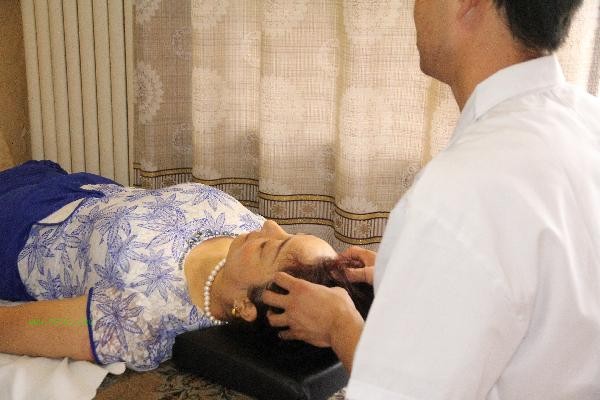
Relieves symptoms by tapping on acupoints on the Du meridian and bladder meridian, such as pinching to stop spasms and massaging the temples for sedation. Pediatric epilepsy can be treated with spinal therapy by pinching and lifting the skin along both sides of the spine three times a week. Massage should be performed during the interval between attacks, with gentle force to avoid triggering attacks due to stimulation.

Fourth, Dietary Maintenance
Avoid spicy and hot foods, and consume moderate amounts of Chinese yam, lotus seeds, lilies, and other spleen strengthening and calming foods. Those with phlegm dampness constitution can use coix seed and red bean to cook Congee; People with Yin deficiency can stew and take Jia Yu soup. Avoid overeating and hunger, drink less strong tea and coffee, quit smoking and drinking alcohol to reduce the risk of seizures.
V. Emotional Regulation
Traditional Chinese medicine believes that excessive seven emotions can trigger liver wind, and it is necessary to maintain emotional stability. It can be regulated through pentatonic therapy, such as soothing the liver with angular music and strengthening the spleen with palace music. Daily practice of soothing exercises such as Eight Section Brocade and Tai Chi, avoiding staying up late and experiencing intense emotional fluctuations. Family members should provide psychological support.
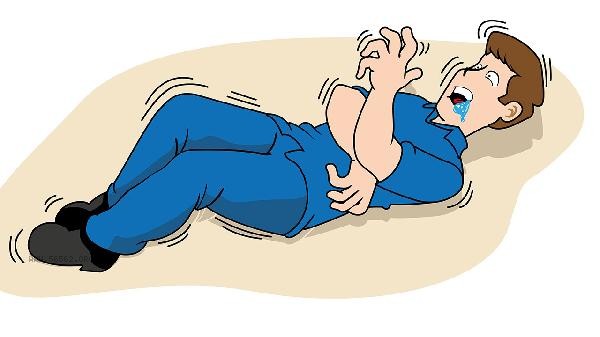
Traditional Chinese medicine treatment for epilepsy emphasizes overall regulation, which needs to be adhered to for a long time and combined with modern medicine. Patients should record their seizures for easy follow-up and prescription adjustment, regularly monitor liver and kidney function, and avoid unauthorized increase or decrease in medication dosage. During the attack, keep the respiratory tract clear, remove dangerous items, and do not forcefully press the limbs during convulsions. If the attack lasts for more than 5 minutes, seek medical attention immediately.





Comments (0)
Leave a Comment
No comments yet
Be the first to share your thoughts!