
Endocrine disorders can be treated by means of traditional Chinese medicine conditioning, acupuncture and moxibustion, massage, diet regulation, emotional regulation, etc. Endocrine disorders may be related to factors such as liver and kidney deficiency, qi and blood deficiency, phlegm and dampness obstruction, qi stagnation and blood stasis, yin deficiency and excessive fire. They usually manifest as symptoms such as menstrual disorders, acne, obesity, insomnia, and emotional fluctuations.
1. Traditional Chinese Medicine Regulation
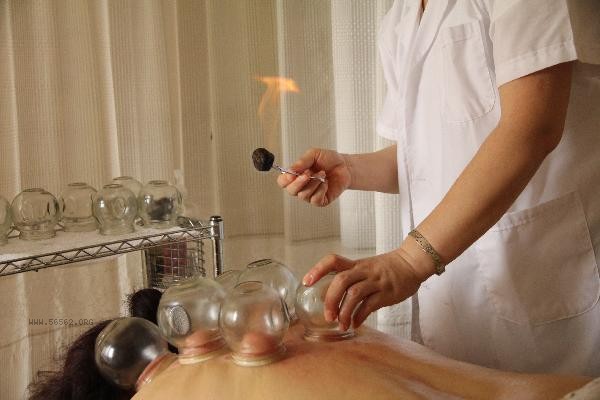
Traditional Chinese medicine regulation is the core method of treating endocrine disorders in traditional Chinese medicine, and different formulas need to be selected according to the syndrome type. People with liver and kidney deficiency can choose Liuwei Dihuang Pill, which has the effect of nourishing yin and tonifying kidney; People with qi and blood deficiency are suitable to take Guipi Pill, which can strengthen the spleen, nourish qi and blood; The phlegm dampness blocking type can be modified with Er Chen Tang to help reduce phlegm and dispel dampness. Traditional Chinese medicine needs to be prescribed by a Chinese medicine practitioner based on syndrome differentiation, usually in the form of decoctions. The treatment course is relatively long and should be taken consistently. During the medication period, it is necessary to avoid eating raw, cold, spicy food to avoid affecting the efficacy of the medication.
II. acupuncture and moxibustion Therapy
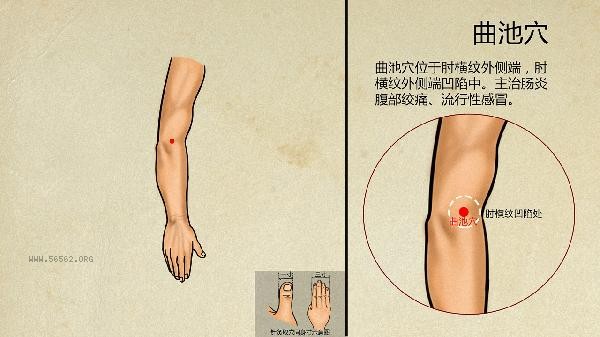
acupuncture and moxibustion regulates the movement of qi and blood by stimulating specific points, and commonly used points include Guanyuan, Qihai, Sanyinjiao, etc. For menstrual disorders, uterine acupoints can be added. Acne patients should use Hegu acupoints, while insomnia patients should choose Shenmen acupoints. The treatment is mainly based on filiform needle acupuncture, combined with moxibustion to enhance the effect, 2-3 times a week, with 10 times as one course of treatment. Acupuncture and moxibustion can directly regulate the function of hypothalamus pituitary target gland axis and improve hormone secretion disorder, but it should be used cautiously for patients with coagulation dysfunction.
III. Tuina Massage
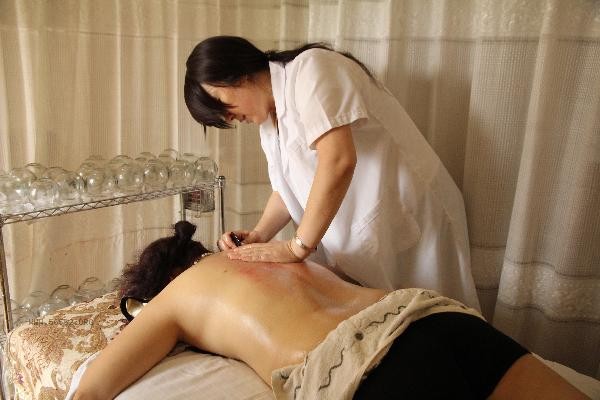
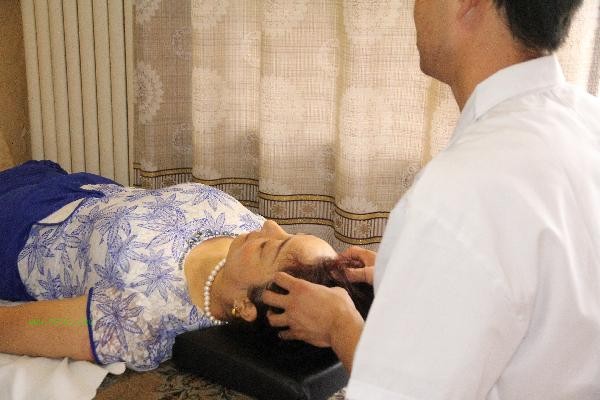
Tuina massage improves the circulation of qi and blood through meridian regulation. Common techniques include rubbing the abdomen, acupressure of the back shu acupoint, and spine massage. Daily self massage of health acupoints such as Sanyinjiao and Zusanli, combined with professional physician's visceral massage for better results. Tuina is particularly suitable for patients with qi stagnation accompanied by premenstrual breast tenderness, constipation, and other symptoms, but it is contraindicated during acute inflammation or skin damage. It is recommended to do 2-3 times a week, in conjunction with respiratory regulation, for better results.
Fourth, Dietary Adjustment
Diet should be adjusted according to physical constitution. People with yin deficiency should eat more yin nourishing foods such as Tremella fuciformis and Lily, while those with yang deficiency should consume lamb and longan in moderation. You can drink rose tea to soothe the liver and relieve depression, use yam Congee to strengthen the spleen and qi, and avoid fried food and sugary drinks. Soy products containing phytoestrogens can be supplemented in moderation, but patients with thyroid diseases need to control their intake. Maintain regular three meals, avoid dinner too late, and chew slowly during meals to aid digestion and absorption.
Fifth, Emotional Regulation
Emotional factors are important causes of endocrine disorders, and emotional stability needs to be maintained. You can relieve stress through soothing exercises such as Ba Duan Jin and Tai Chi, and meditate for 10-15 minutes every day to regulate your autonomic nervous system. Cultivate hobbies such as calligraphy, painting, and music to shift attention, ensure sufficient sleep, and avoid staying up late. Severe anxiety and depression can be treated with ear acupressure therapy, taking acupoints such as Shenmen, Xin, and Gan, and using Wangbuliuxing Seed Patch to stimulate and press. Traditional Chinese Medicine emphasizes overall regulation in the treatment of endocrine disorders, and it takes 3-6 months to achieve significant results. During the treatment period, regular follow-up visits should be conducted to adjust the plan, and changes in menstrual cycle, body temperature, and other factors should be recorded. Avoid taking hormone drugs on your own, and avoid eating off-season fruits and foods containing additives. Maintain moderate exercise such as brisk walking and yoga, 3-5 times a week, for at least 30 minutes each time. Pay attention to medication reactions, seek medical attention promptly if discomfort occurs, and suspend blood activating traditional Chinese medicine during menstruation for women. Establishing a regular schedule and falling asleep before 11pm can help the endocrine system self repair.





Comments (0)
Leave a Comment
No comments yet
Be the first to share your thoughts!