
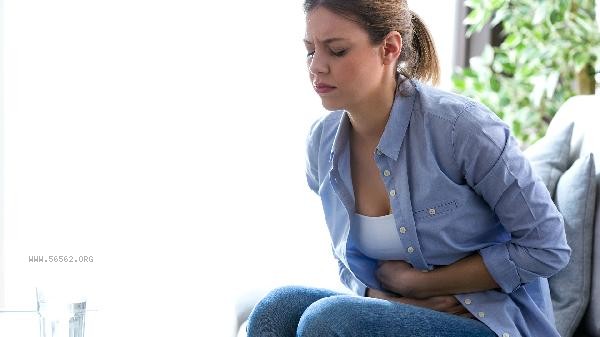
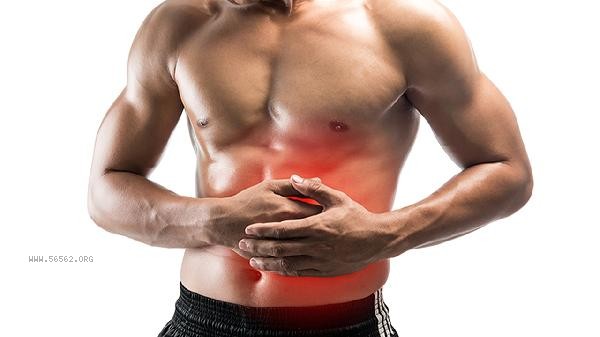
Traditional Chinese medicine (TCM) treatment of cholecystitis is mainly through Chinese medicine conditioning, acupuncture and moxibustion therapy, acupoint application, cupping therapy and diet regulation. Cholecystitis may be related to factors such as damp heat in the liver and gallbladder, qi stagnation and blood stasis, and is usually manifested as symptoms such as pain in the upper right abdomen, nausea and vomiting.

1. Traditional Chinese Medicine Regulation
Traditional Chinese medicine commonly uses liver soothing and choleretic formulas such as Dachaihu Tang and Yinchenhao Tang to improve gallbladder inflammation. For liver and gallbladder damp heat syndrome, Longdan Xiegan Wan can be used to clear heat and remove dampness. For qi stagnation and blood stasis syndrome, Chaihu Shugan San can be used to promote qi circulation and blood circulation. Traditional Chinese medicine should be prescribed by a physician based on syndrome differentiation to avoid self compatibility. Some patients may experience symptoms of dampness and heat such as bitter mouth and dry throat, yellow and greasy tongue coating.
2. acupuncture and moxibustion therapy
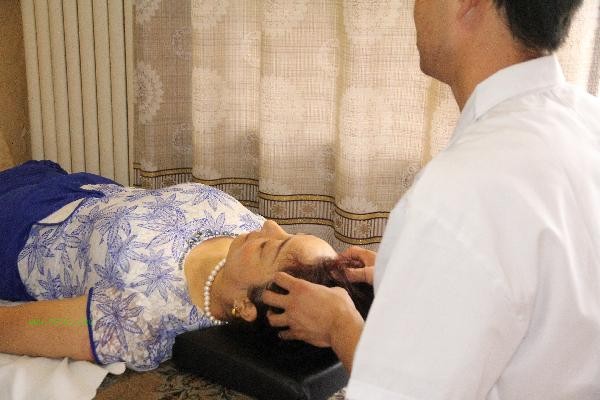
Acupuncture at Danshu point, Yanglingquan point and other points is helpful to relieve biliary colic and cholestasis. Electroacupuncture stimulation can enhance gallbladder contraction function, while ear acupuncture therapy has an inhibitory effect on pain during acute attacks. Acupuncture and moxibustion should be operated by a professional doctor. Patients in the infection period should not apply acupuncture at the damaged skin.
3. Acupoint application
Apply powdered traditional Chinese medicines such as saltpeter and rhubarb to areas such as the Riyue and Qimen acupoints, and exert anti-inflammatory effects through transdermal absorption. This method is suitable for chronic cholecystitis and abdominal distension symptoms. People with skin allergies should use it with caution. During the application period, there may be reactions such as local skin flushing.
4. Cupping therapy
can promote bile excretion and alleviate the feeling of tightness and swelling in the liver and gallbladder area by walking through the bladder on the back. The flash cupping method is suitable for acute pain, and the cupping time should not exceed 10 minutes. This method is contraindicated for patients with severe thrombocytopenia or skin ulcers.
5. Dietary regulation
It is recommended to adopt a low-fat and high fiber diet, and consume moderate amounts of qi regulating ingredients such as hawthorn and tangerine peel. Avoid eating fatty, sweet, thick, spicy, and stimulating foods, and fast during acute attacks. It can be used with Tonic Diet, such as Lysimachia Congee, to assist cholagogue, and the daily water consumption should be kept above 1500 ml.
During traditional Chinese medicine treatment, regular ultrasound monitoring of the gallbladder condition is necessary. If there are persistent high fever, worsening jaundice, and other symptoms, they should be promptly referred to Western medicine for treatment. Maintaining a regular schedule and stable emotions can help regulate the liver and gallbladder qi system, avoiding overexertion that may trigger seizures. Chronic patients can persist in long-term ear acupressure and other health therapies, but the treatment plan must be adjusted under the guidance of a physician.





Comments (0)
Leave a Comment
No comments yet
Be the first to share your thoughts!