
Oviduct blockage can be treated by Chinese medicine conditioning, acupuncture and moxibustion, moxibustion, massage, diet conditioning and other methods. Blockage of the fallopian tubes may be related to factors such as infection, surgical injury, congenital developmental abnormalities, etc. It usually manifests as symptoms such as infertility, lower abdominal pain, and menstrual disorders.
1. Traditional Chinese Medicine Regulation
Traditional Chinese medicine regulation is a commonly used method for treating blocked fallopian tubes in traditional Chinese medicine. It mainly improves fallopian tube function by promoting blood circulation, removing blood stasis, and unblocking meridians. Common prescriptions include Guizhi Fuling Wan, Shaofu Zhuyu Tang, etc. Guizhi Fuling Wan is composed of Guizhi, Fuling, Mudan skin, etc., which helps to dissipate blood stasis. Shaofu Zhuyu Tang contains ingredients such as Angelica sinensis, Chuanxiong, and Paeonia lactiflora, which can alleviate lower abdominal cold pain. Patients need to choose appropriate prescriptions after diagnosis and treatment by traditional Chinese medicine practitioners, and avoid self medication.
2. acupuncture and moxibustion treatment
acupuncture and moxibustion promotes the movement of qi and blood by stimulating specific points, and commonly used points include Guanyuan, uterus, Sanyinjiao, etc. Guanyuan acupoint is located three inches below the navel, and acupuncture can regulate the function of the reproductive system. The uterine cavity is located in the lower abdomen and directly acts on the pelvic organs. San Yin Jiao is the intersection of the liver, spleen, and kidney meridians, which has significant therapeutic effects on gynecological diseases. Acupuncture and moxibustion needs to be operated by a professional doctor. It is treated 2-3 times a week, and 10-15 times is a course of treatment.
3. Moxibustion therapy
Moxibustion uses the heat generated by the burning of moxa to stimulate acupoints, commonly used acupoints such as Shenque and Qihai. Shenque acupoint is the navel, and moxibustion can warm and unblock the meridians. The Qi Hai acupoint is located 1.5 inches below the navel and can nourish the vitality. It is advisable to use local warmth during moxibustion to avoid burns. It can be combined with ginger separated moxibustion to enhance the effect, by placing ginger slices on acupoints and applying moxibustion. Moxibustion for 15-20 minutes each time, continuous treatment for 1-2 months.
4. Tuina Massage
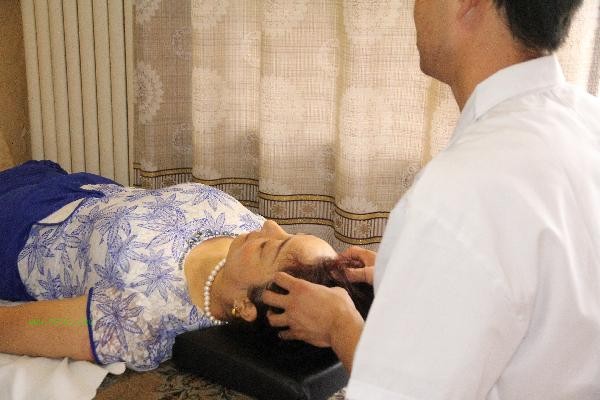
Tuina massage improves pelvic blood circulation through manual stimulation, commonly using techniques such as kneading and pressing. It can be pushed upwards along the Ren meridian from the pubic symphysis to the navel and repeated. Pressing the point of the belt meridian can regulate the qi and blood of the belt meridian, located in the lateral abdomen. Massage should avoid the menstrual period and the intensity should be based on the feeling of sourness and bloating. It is recommended to have a professional masseur perform the massage 2-3 times a week, with a combination of hot compress for better results.
5. Dietary Adjustment
Warm and nourishing foods such as lamb, longan, ginger, etc. should be selected for diet. Lamb meat can warm the kidneys and promote yang, suitable for patients with uterine cold type. Longan nourishes the heart and spleen, and improves the deficiency of qi and blood. Ginger and brown sugar water can dispel cold and warm the palace. Avoid raw, cold, and greasy foods, and avoid eating ice cream during menstruation. Moderate consumption of rose tea can soothe the liver and relieve depression, or hawthorn brown sugar water can promote blood circulation and remove blood stasis. Diet needs to be maintained for a long time, and combined with treatment, the effect is better.
Traditional Chinese medicine treatment for fallopian tube blockage should be based on specific syndrome types to choose a treatment plan. During the treatment period, regular sleep should be maintained to avoid fatigue. Pay attention to keeping your abdomen warm, especially avoid getting cold during menstruation. Moderate exercise such as Ba Duan Jin and Tai Chi can promote the circulation of qi and blood. Regularly check the patency of the fallopian tubes, and if conservative treatment is ineffective, consider Western medicine intervention. Maintain an optimistic attitude and avoid anxiety affecting the endocrine system.





Comments (0)
Leave a Comment
No comments yet
Be the first to share your thoughts!