
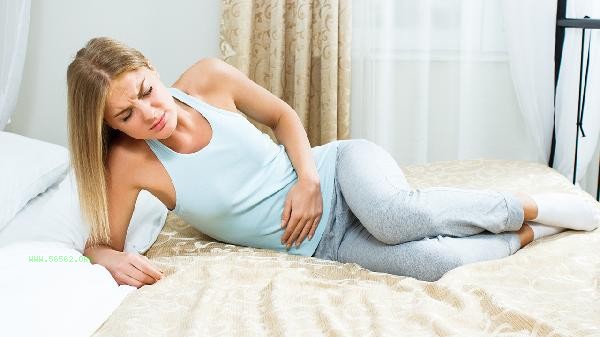
Bile reflux gastritis can be treated by Chinese medicine conditioning, acupuncture and moxibustion therapy, diet regulation, emotional adjustment, acupoint application, etc. Bile reflux gastritis is usually caused by damp heat in the liver and gallbladder, weakness of the spleen and stomach, emotional disorders, irregular diet, and drug damage. The main symptoms include burning pain in the epigastric region, bitter mouth and dry throat, nausea and vomiting, etc.
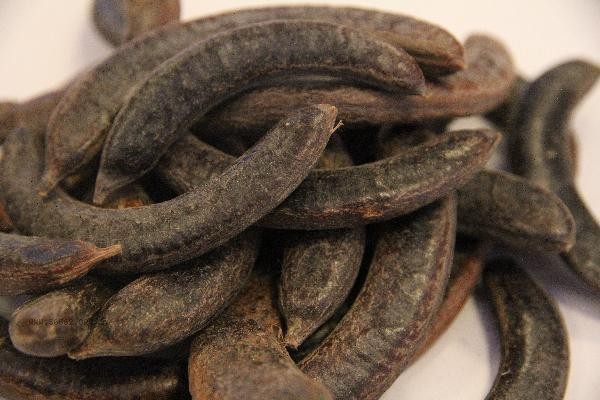
1. Traditional Chinese Medicine Treatment
For patients with liver and gallbladder damp heat type, Longdan Xiegan Tang can be used with modifications, containing ingredients such as Gentiana scabra and Scutellaria baicalensis, which can clear and relieve liver and gallbladder damp heat. For those with weak spleen and stomach, Xiangsha Liujunzi Tang is suitable, which contains medicines such as Codonopsis pilosula and Atractylodes macrocephala, and has the effects of strengthening the spleen and stomach. Qi stagnation and blood stasis type can be treated with Xuefu Zhuyu Tang, and the dosage should be adjusted by a traditional Chinese medicine practitioner based on tongue and pulse differentiation to avoid self medication. During traditional Chinese medicine treatment, it is necessary to avoid eating spicy and stimulating foods. After taking the medication continuously for 2-4 weeks, the prescription should be adjusted at a follow-up visit.
2. acupuncture and moxibustion therapy
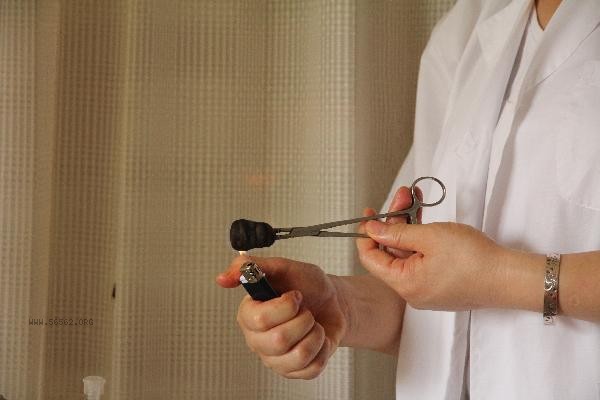
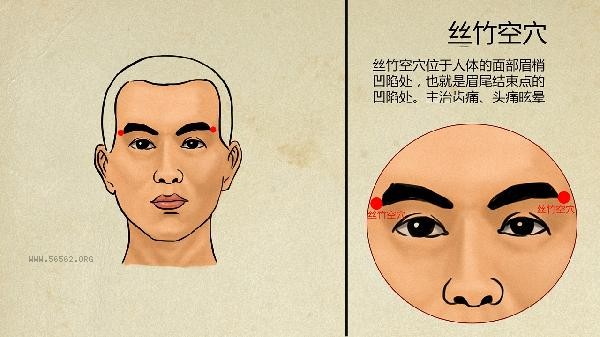
Select Zusanli, Zhongwan, Neiguan and other acupoints for acupuncture and moxibustion, once a day, 10 times as a course of treatment, which can regulate gastrointestinal peristalsis. For those with obvious vomiting, acupuncture at the Geshu acupoint can be added, and for those with severe stomach pain, acupuncture at the Gongsun acupoint can be used. Adopting the technique of tonifying and purging, keeping the needle for 20 minutes, combined with moxibustion for better results. It is forbidden for pregnant women and patients with bleeding constitution, and needs to be operated by professional acupuncture and moxibustion.
3. Diet regulation
Eat a small number of meals every day, choose easily digestible foods such as millet porridge and yam soup, and avoid high-fat diet and sweet food stimulating bile secretion. Cooking should be done by steaming and boiling, and barbecue, fried foods, and alcoholic beverages should be avoided. Maintain an upright position for 1 hour after meals and stop eating three hours before bedtime. Moderate consumption of tea drinks such as dandelion tea and aged skin water can promote bile retention.
4. Emotional Adjustment
Relieves stress through soothing exercises such as Ba Duan Jin and Tai Chi, ensuring 7 hours of sleep per day. To avoid emotional excitement inducing autonomic nervous system dysfunction, ear acupressure therapy can be used to regulate autonomic nervous system function. Establish a regular sleep schedule, practice deep breathing during work breaks, and receive professional psychological counseling if necessary.
5. Acupoint application
After grinding traditional Chinese medicines such as Wu Zhu Yu and Ding Xiang into powder, apply it to Shen Que and Wei Shu acupoints, and exert its effect through skin absorption. Replace once a day and use continuously for 7 days. Those with skin allergies should stop using immediately. In winter, infrared therapy lamps can be used in combination with other traditional Chinese medicine therapies to enhance drug efficacy. Patients should establish a diet diary to record changes in symptoms and avoid wearing tight clothing that increases abdominal pressure. Raise the head of the bed by 15 centimeters during sleep and engage in regular light exercises such as walking to promote gastrointestinal emptying. Strictly follow medical advice when taking medication and prohibit unauthorized use of nonsteroidal anti-inflammatory drugs. Follow up gastroscopy every 3 months to observe mucosal repair. If there are warning symptoms such as black stool and persistent weight loss, seek medical attention immediately. Usually, massage the abdomen to promote blood circulation, and combine with abdominal breathing to exercise diaphragm function.




Comments (0)
Leave a Comment
No comments yet
Be the first to share your thoughts!