
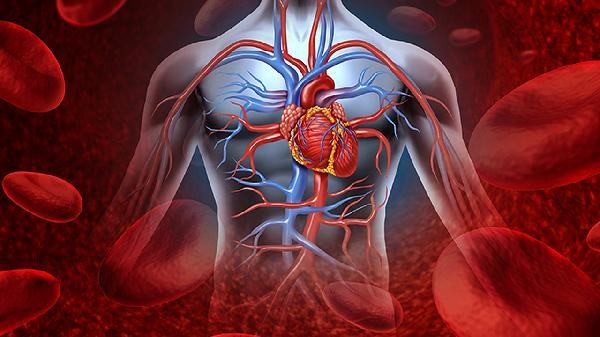
Atherosclerosis can be treated by Chinese medicine conditioning, acupuncture and moxibustion, massage, diet regulation, exercise therapy and other Chinese medicine methods. Atherosclerosis may be related to factors such as phlegm turbid internal resistance, qi stagnation and blood stasis, liver and kidney deficiency, etc. It usually presents symptoms such as chest tightness, dizziness, limb numbness, etc.
1. Traditional Chinese medicine conditioning
Traditional Chinese medicine believes that atherosclerosis is related to the interaction of phlegm and blood stasis. Traditional Chinese medicine is commonly used to promote blood circulation and remove blood stasis, phlegm and turbidity. Danshen Dripping Pills can improve microcirculation, reduce blood viscosity, and are suitable for patients with qi stagnation and blood stasis. Xuezhikang capsules contain ingredients such as red yeast, which can regulate lipid metabolism and alleviate symptoms of phlegm stagnation. Ginkgo biloba extract tablets can help dilate blood vessels and improve dizziness caused by insufficient blood supply to the brain. Traditional Chinese medicine should be treated based on syndrome differentiation and avoid self compatibility.
2. acupuncture and moxibustion therapy
acupuncture and moxibustion regulates the movement of qi and blood by stimulating specific points. Regularly select the Neiguan acupoint to improve palpitations and chest tightness, and combine it with the Zusanli acupoint to strengthen the spleen and reduce phlegm. Treating 2-3 times a week, with 10 times as one course of treatment, can alleviate vascular spasm. Ear acupressure involves selecting acupoints such as the heart and sympathetic system, and continuous stimulation can assist in lowering blood pressure and regulating fat. Patients in the acute phase should use acupuncture with caution to avoid causing vasoconstriction.
3. Massage
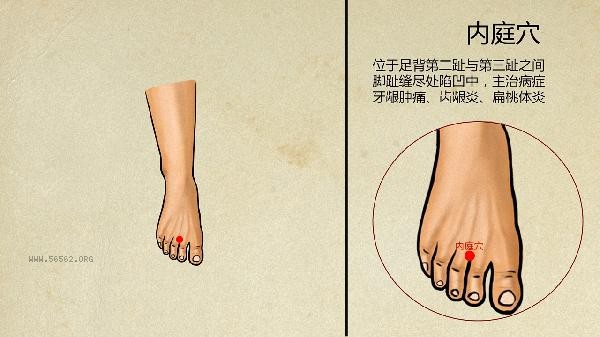
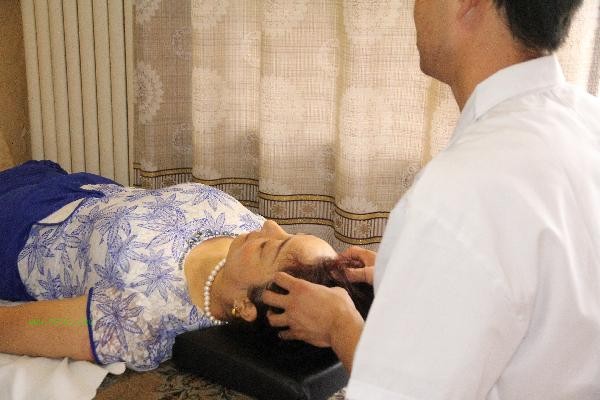
Meridian massage can promote local blood circulation. Pushing along the Pericardial Meridian from the armpit to the fingertips, combined with rubbing and pressing the Danzhong acupoint, can help improve chest pain symptoms. Foot reflex massage focuses on stimulating the heart and adrenal gland areas, for 15 minutes a day, which can regulate autonomic nervous system function. Patients with severe calcified plaques should avoid neck violence.
4. Dietary regulation
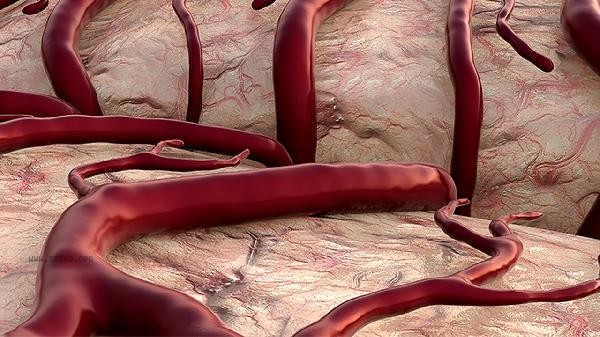
Traditional Chinese medicine dietary therapy emphasizes lightness and dampness reduction. Hawthorn cassia seed tea is recommended to reduce fat and digest food, and kelp Winter melon soup is recommended to promote diuresis and phlegm. Eating 10 grams of black fungus daily, its polysaccharide components can slow down arterial intimal thickening. Those with yin deficiency and high fire should use lily Broth of white fungus soup to nourish yin and avoid spicy and hot food. Long term high salt diet can exacerbate blood stasis.
5. Exercise therapy
The Eight Section Brocade "shaking the head and tail to dispel heart fire" technique can clear the Qi and blood in the heart meridian. Practice for 20 minutes a day. Tai Chi cloud hand movements combined with breathing can improve vascular endothelial function. Fast walking exercise should be done 5 times a week for 30 minutes each time, and the heart rate should be controlled below (170- age) beats per minute. Patients with acute coronary syndrome need to assess their risk before exercise. During traditional Chinese medicine treatment, blood lipids, carotid ultrasound and other indicators should be regularly monitored. Maintain emotional stability and avoid anger that can lead to disharmony of qi and blood. Pay attention to keeping warm in winter to prevent the aggravation of cold coagulation and blood stasis. Those with diabetes need to control blood sugar synchronously and limit the intake of high sugar Tonic Diet. When angina persists without relief, timely treatment with Western medicine should be sought. Establishing a regular daily routine and falling asleep before midnight (23:00-1:00) can help detoxify the liver and gallbladder.





Comments (0)
Leave a Comment
No comments yet
Be the first to share your thoughts!