
High blood pressure can be temporarily lowered through methods such as deep breathing, moderate water intake, and relaxation. These methods help alleviate tension, promote blood circulation, and thus lower blood pressure. Long term blood pressure control also requires a combination of healthy diet, regular exercise, and medication treatment.
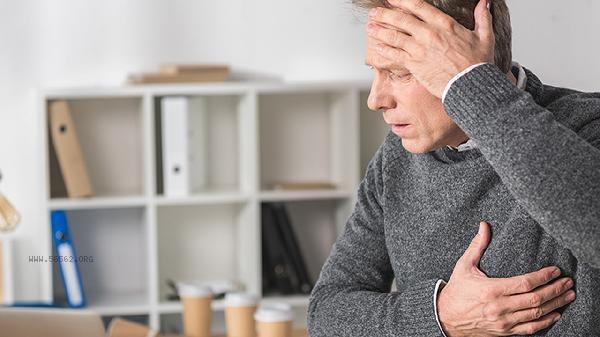
1. Deep breathing is an effective method for rapidly lowering blood pressure. Deep breathing can activate the parasympathetic nervous system, help the body relax, and reduce the burden on the heart. The specific operation is to slowly inhale, hold for a few seconds, and then exhale slowly, repeating 5-10 times. This method is particularly suitable for use when feeling nervous or anxious.
2. Drinking moderate amounts of water can help dilute the blood, promote blood circulation, and thus lower blood pressure. It is recommended to drink warm water and avoid water that is too cold or too hot. Maintaining sufficient water intake every day, especially when blood pressure is elevated, moderate drinking water can have a relieving effect.
3. Relaxing the mind is crucial for lowering blood pressure. Nervousness and anxiety can lead to elevated blood pressure, which can be effectively relieved through listening to light music, meditation, or simple relaxation exercises. For example, close your eyes and imagine yourself in a quiet place, focusing on breathing for 5-10 minutes. 4. A healthy diet is the key to long-term blood pressure control. Reduce salt intake, avoid high-fat and high sugar foods, and increase intake of vegetables and fruits. Recommended foods include oats, bananas, spinach, and other foods rich in potassium and magnesium, which can help regulate blood pressure. Regular exercise is crucial for maintaining normal blood pressure. Engage in at least 150 minutes of moderate intensity exercise per week, such as brisk walking, swimming, or cycling. Exercise not only enhances cardiovascular function, but also helps to lose weight, thereby lowering blood pressure.

6. Drug therapy is also an important means of controlling blood pressure when necessary. Common medications include diuretics, beta blockers, and calcium channel blockers. Specific medication should be administered under the guidance of a doctor, with regular monitoring of blood pressure and adjustment of medication dosage. High blood pressure requires comprehensive management. Although temporary methods of lowering blood pressure are effective, long-term control is more important. By adopting a healthy lifestyle, regular exercise, and necessary medication, blood pressure can be effectively maintained at normal levels. Regular physical examinations and timely adjustment of treatment plans to ensure stable blood pressure.









Comments (0)
Leave a Comment
No comments yet
Be the first to share your thoughts!