
The fat on cow intestines can be cleaned by scraping off after freezing or tearing off after blanching. Attention should be paid to keeping the knives clean and controlling the water temperature during processing to avoid damaging the structure of the intestine. It is also recommended to consume high fiber vegetables to balance fat intake.
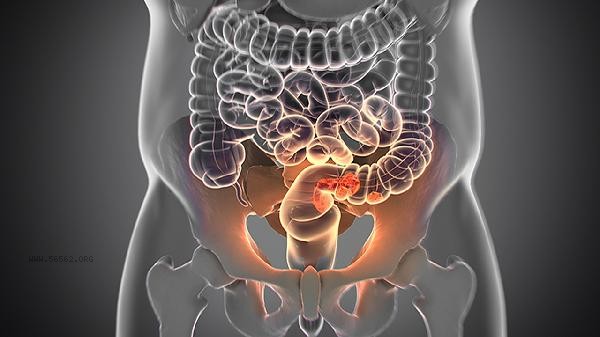
Freeze the cow intestine for half an hour until it becomes slightly hard, and the fat will separate from the intestine due to low-temperature shrinkage. At this time, gently scrape along the fat layer with the back of a knife or spoon handle to remove it. The freezing method can preserve the integrity of the intestine and is suitable for making crispy sausage dishes in the future. If you pursue a more thorough oil removal effect, you can blanch the beef intestines in cold water until the surface turns white, then remove them and tear off the semi transparent fat film while hot. This method will make the intestines soft and suitable for stewing and cooking. Both methods require repeatedly kneading the intestines with flour or salt after processing to remove residual oil and impurities.
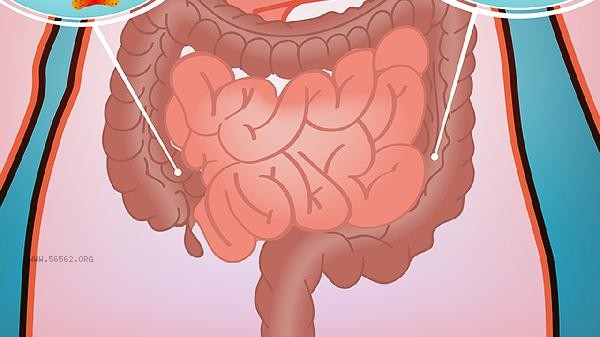
In special circumstances where tight fitting mesh fat is encountered, a toothpick can be used to make small holes in the fat layer before processing to avoid violent tearing and damage to the casing. Some local specialty dishes, such as Old Beijing braised dishes, may retain some intestinal oil to enhance flavor. At this time, simply trim the obvious fat blocks. It should be noted that the elasticity of cow intestines that have been repeatedly frozen and thawed may decrease. It is recommended to pack them separately and handle them in a single batch.
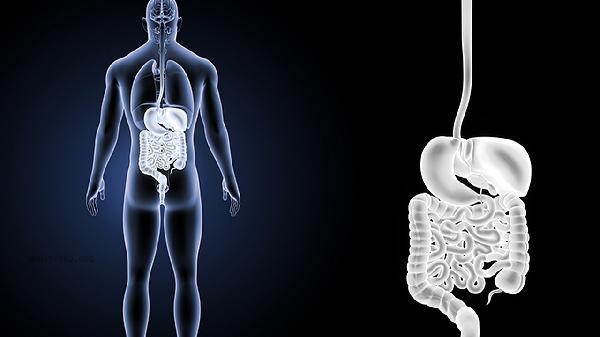
After cleaning, cow intestines can be paired with vegetables rich in dietary fiber such as bamboo shoots and celery to help metabolize animal fat. It is recommended to wear food grade gloves during the handling process, and separate the raw and cooked knives and cutting boards. If abnormal spots or odors are found in the intestines, consumption should be stopped. The preserved intestinal oil can be refined into butter for cooking, but people with high blood pressure should control their consumption.





Comments (0)
Leave a Comment
No comments yet
Be the first to share your thoughts!