
The liver hardness test report mainly evaluates the degree of liver fibrosis through elastography technology, with key indicators including hardness value, reference range, and clinical grading.
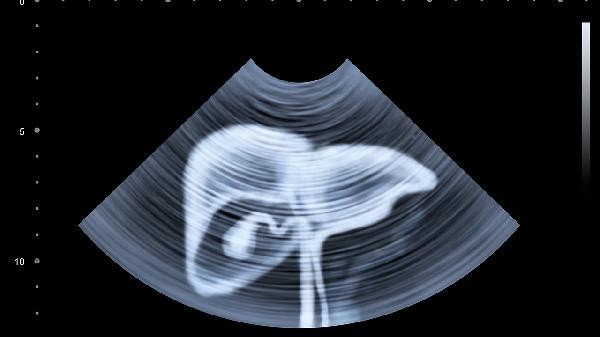
Liver hardness testing usually uses transient elastography or shear wave elastography techniques, with results measured in kilopascals. The normal liver hardness value is generally between 2.5-7.0 kPa, and exceeding 7.0 kPa may indicate the presence of liver fibrosis. 7.0-9.5 kPa corresponds to mild fibrosis, 9.5-12.5 kPa indicates moderate fibrosis, 12.5-14.5 kPa is significant fibrosis, and exceeding 14.5 kPa should alert to the possibility of cirrhosis. The report will indicate specific measurement values and corresponding grades, and some devices will display the median and interquartile range of 10 valid measurements. A ratio of interquartile range to median less than 30% indicates high data reliability. The examination results need to be comprehensively judged based on serological indicators such as APRI, FIB-4 index, and imaging examinations. Obesity, intercostal space stenosis, and acute hepatitis attack may affect the accuracy of detection. After receiving the report, three key points should be focused on. One is whether the hardness value is within the normal reference range marked on the equipment, and the upper limit of the normal value may vary slightly among different brands of equipment. The second is to look at the coefficient of variation measured multiple times, and if it exceeds 30%, it needs to be retested. Thirdly, when examining quality control indicators, the reference value of test results with success rates below 60% or depths that do not meet requirements is limited. For the critical value of 7.0-9.5 kPa, it is recommended to have a follow-up examination 3-6 months later, combined with dynamic observation of blood indicators such as liver function and platelets. When the value exceeds 12.5 kPa, it is necessary to complete the examination of viral hepatitis markers, autoimmune liver disease antibodies, etc. to clarify the cause. If the conclusion section of the report indicates F3-F4 fibrosis, further confirmation by liver biopsy is usually required. Fasting is required 8 hours before the test, and a right lateral position combined with breathing instructions can improve the success rate of the test.
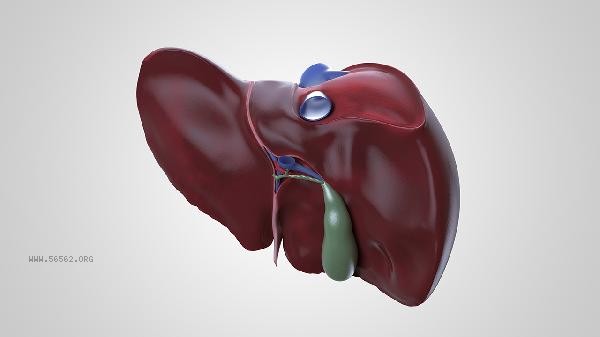
It is recommended to avoid vigorous exercise before testing, as women's menstrual period may affect the stability of the results. When merging with fatty liver, the hardness value may falsely increase, and it needs to be comprehensively judged based on the parameters of fat attenuation. Regular monitoring of changes in hardness values is more clinically significant than single results, and the recommended testing interval is no less than 3 months. Abnormal increase in values should be promptly treated in the gastroenterology department to avoid self medication to conceal the condition. Strict abstinence from alcohol, weight control, and the use of hepatotoxic drugs are necessary in daily life. Individuals at high risk of fibrosis should have their ultrasound and alpha fetoprotein checked every 6 months.









Comments (0)
Leave a Comment
No comments yet
Be the first to share your thoughts!