
When blood pressure is too high, it can be quickly lowered by adjusting lifestyle, medication, and emergency treatment. The core methods include deep breathing relaxation, taking antihypertensive medication, and adjusting diet and exercise habits.
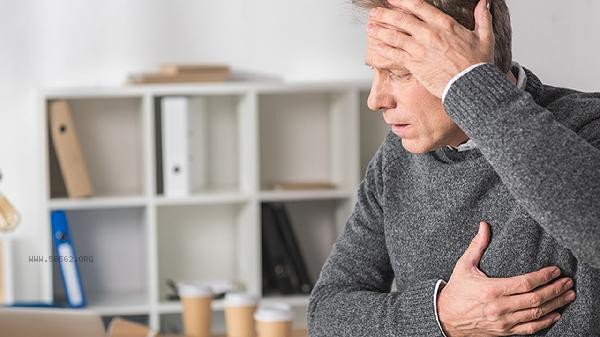
1. Deep breathing relaxation is an effective method for rapidly lowering blood pressure. When blood pressure suddenly rises, slow deep breathing can be used to relieve tension, reduce sympathetic nervous system excitability, and thus reduce vascular constriction. The specific method is to sit in a quiet place, close your eyes, take a deep breath for 4 seconds, hold your breath for 4 seconds, and then exhale slowly for 6 seconds, repeating for 5-10 minutes. This method can quickly lower blood pressure and is suitable for use in emergency situations.

2. Drug therapy is an important means of rapidly lowering blood pressure. The commonly used antihypertensive drugs include nifedipine, captopril, and labetalol. Nifedipine is a calcium channel blocker that can rapidly dilate blood vessels and lower blood pressure; Captopril is an angiotensin-converting enzyme inhibitor that lowers blood pressure by inhibiting the production of angiotensin II; Labetalol is an alpha and beta receptor blocker that can simultaneously reduce heart rate and vascular resistance. These medications should be used under the guidance of a doctor and self medication should be avoided. Adjusting diet and exercise habits can help control blood pressure in the long term. In terms of diet, it is recommended to reduce salt intake and keep the daily salt intake below 5 grams; Increasing potassium rich foods such as bananas, spinach, and potatoes can help balance the sodium potassium ratio in the body and lower blood pressure. In terms of exercise, doing 30 minutes of aerobic exercise every day, such as brisk walking, swimming, or cycling, can enhance cardiovascular function and promote blood pressure drop. Avoiding staying up late and overworking, maintaining a regular sleep schedule, can also help with blood pressure control. When blood pressure is too high, the combination of emergency treatment and long-term management is key. Through deep breathing relaxation, medication treatment, and adjusting diet and exercise habits, blood pressure can be effectively lowered to prevent the occurrence of cardiovascular diseases. Regular monitoring of blood pressure and timely seeking medical attention are important measures to ensure stable blood pressure.









Comments (0)
Leave a Comment
No comments yet
Be the first to share your thoughts!