
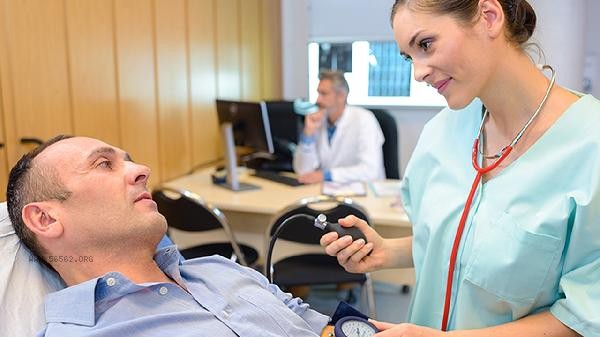
When hypertension is found during a physical examination, it can generally be improved by adjusting lifestyle, eating a reasonable diet, exercising regularly, controlling weight, and following medical advice. Hypertension may be related to genetics, high salt diet, obesity, mental stress, chronic kidney disease, and other factors, usually manifested as symptoms such as dizziness, headache, palpitations, etc. It is recommended to seek medical attention promptly and receive comprehensive intervention under the guidance of a doctor.
1. Adjust lifestyle
Reduce staying up late, ensure 7-8 hours of sleep per day, and avoid overexertion. Quit smoking and limit alcohol consumption, with a daily alcohol intake of no more than 25 grams for males and 15 grams for females. To maintain emotional stability, stress can be relieved through meditation, deep breathing, and other methods. Long term mental stress may cause sympathetic nervous system excitation, leading to blood pressure fluctuations.
2. Reasonable diet
Adopt a low salt diet, control the daily sodium intake within 5 grams, and avoid pickled foods. Increasing the intake of potassium rich vegetables and fruits such as bananas and spinach can help with sodium excretion. Reduce intake of saturated fatty acids and choose high-quality proteins such as olive oil and fish. High salt diet will lead to retention of water and sodium, increase blood volume and raise hypertension.
3. Regular Exercise
Engage in 150 minutes of moderate intensity aerobic exercise per week, such as brisk walking, swimming, and cycling. During exercise, the heart rate should be controlled within the range of (220 age) x 60% -70%. Avoid intense exercise that can cause a sudden increase in blood pressure. Regular exercise can improve endothelial function, and long-term adherence can reduce systolic blood pressure by 5-8 mmHg.

4. Weight Control
Control the body mass index between 18.5-23.9, with a waist circumference of less than 90 centimeters for males and less than 85 centimeters for females. For every kilogram of weight loss, systolic blood pressure can decrease by 1 millimeter of mercury. Obesity can lead to insulin resistance, activate the renin-angiotensin system, and cause elevated blood pressure.
5. Medication according to medical advice
If lifestyle intervention is ineffective, antihypertensive drugs should be used under the guidance of a doctor. Commonly used drugs include nifedipine controlled-release tablets, valsartan capsules, metoprolol sustained-release tablets, etc. Do not adjust the dosage or discontinue medication on your own. Primary hypertension requires long-term medication control, while secondary hypertension requires targeted treatment for its underlying causes.
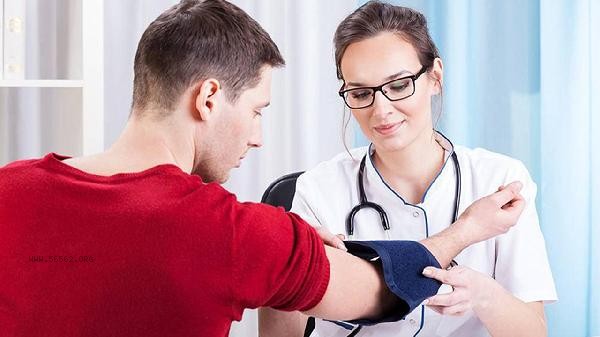
Blood pressure should be regularly monitored and recorded in daily life, measured once in the morning and once in the evening, and sit quietly for 5 minutes before measurement. Avoid consuming stimulating beverages such as strong tea and coffee. Pay attention to weather changes, as cold can easily induce vasoconstriction. If symptoms such as persistent headache and blurred vision occur, seek medical attention immediately. Hypertensive patients should undergo annual electrocardiograms, renal function tests, and other assessments to evaluate target organ damage.








Comments (0)
Leave a Comment
No comments yet
Be the first to share your thoughts!