
Traditional Chinese medicine methods can be used to reduce weight and slim down by regulating the constitution, improving metabolism, promoting the movement of qi and blood, etc., mainly including Chinese medicine conditioning, acupuncture and moxibustion therapy, cupping therapy, acupoint massage, diet and other methods.
1. Traditional Chinese Medicine Treatment
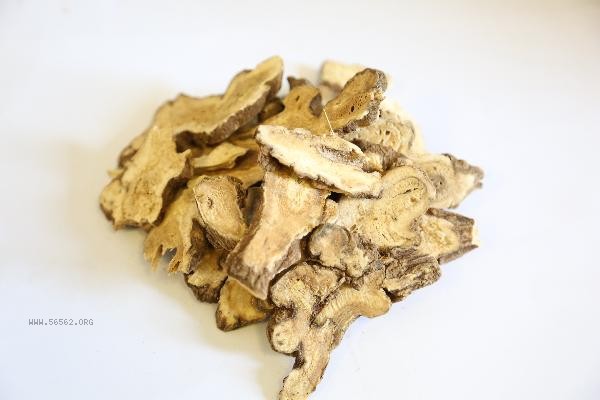
Traditional Chinese medicine believes that obesity is often related to phlegm dampness, spleen deficiency, and qi stagnation. It is recommended to follow the doctor's advice and use traditional Chinese medicines such as Shen Ling Bai Zhu San, Er Chen Wan, Zhi Shi Dao Zhi Wan, etc. to strengthen the spleen and dispel dampness. People with phlegm dampness constitution can choose medicinal herbs such as Poria cocos and Zexie that promote diuresis and dampness, while those with spleen deficiency can use herbs such as Codonopsis pilosula and Atractylodes macrocephala to supplement qi and strengthen the spleen. It should be noted that traditional Chinese medicine should be treated based on syndrome differentiation and should not be taken on its own for a long time.
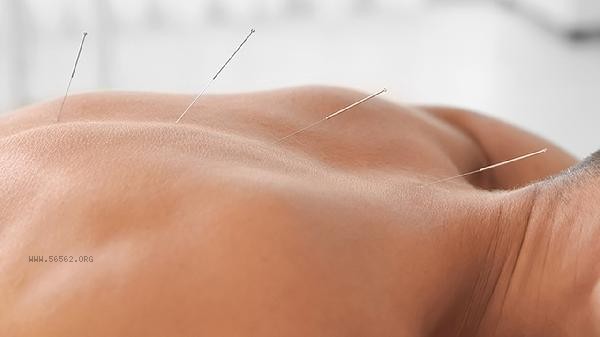
2. acupuncture and moxibustion therapy
acupuncture and moxibustion regulates gastrointestinal function, inhibits appetite and accelerates fat decomposition by stimulating Zusanli, Fenglong, Zhongwan and other acupoints. Ear acupressure is commonly applied to acupoints such as hunger points and endocrine points, and is treated 2-3 times a week. It should be performed by a professional physician. Acupuncture and moxibustion may cause local soreness, which is forbidden for pregnant women and those with bleeding constitution.
3. Cupping therapy
involves flashing or moving cupping at acupoints on the back bladder meridian or abdomen, which can clear meridians and promote local blood circulation. It is normal for bruises to appear after cupping, and patients with skin damage or high fever should not use it. Suggest 1-2 times a week, combined with exercise for better results.
4. Acupoint massage
Pressing acupoints such as Tian Shu, Da Heng, and Dai Mai for 3-5 minutes daily can promote intestinal peristalsis and reduce abdominal fat accumulation. Rubbing the feet three miles after meals helps to transport water and nutrients, and pushing the abdomen before bedtime can relieve bloating. The massage intensity should be based on sourness and swelling, and should be paused when the skin is infected.
5. Dietary regulation
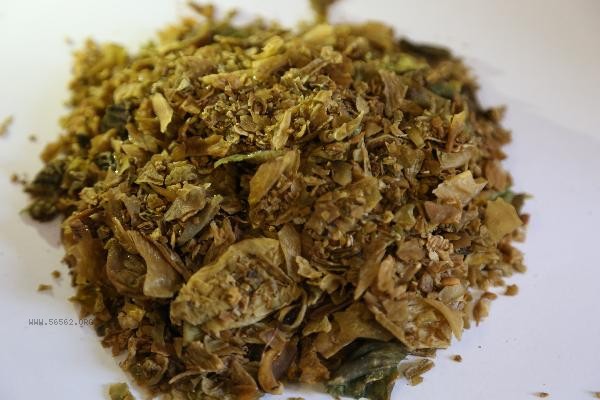
Select ingredients according to physical constitution. For those with phlegm dampness, it is advisable to eat coix seed and adzuki beans, while for those with qi deficiency, yam and lotus seeds can be added. Adopting the principle of "early satiety, good lunch, and late less" to avoid raw, cold, and greasy foods. Tea substitutes such as hawthorn cassia seed tea and lotus leaf tangerine peel tea can be used, but they cannot replace regular meals.
Traditional Chinese Medicine emphasizes gradual weight loss, which should be accompanied by regular sleep patterns and moderate exercise such as Ba Duan Jin and Tai Chi. During the treatment period, weight changes should be monitored, and any discomfort such as palpitations or fatigue should be promptly treated with medical attention. Note that the weight loss rate should not exceed 5% of the body weight per month, as extreme dieting may damage spleen and stomach function. It is recommended to develop personalized plans in formal traditional Chinese medicine institutions and avoid using weight loss products with unknown ingredients.




Comments (0)
Leave a Comment
No comments yet
Be the first to share your thoughts!