
Mild hypotension can be improved by adjusting lifestyle, diet, and exercise. Improvement methods include increasing salt intake, maintaining sufficient hydration, regular exercise, and avoiding prolonged standing. By making targeted adjustments, symptoms can be alleviated and blood pressure levels can be increased.
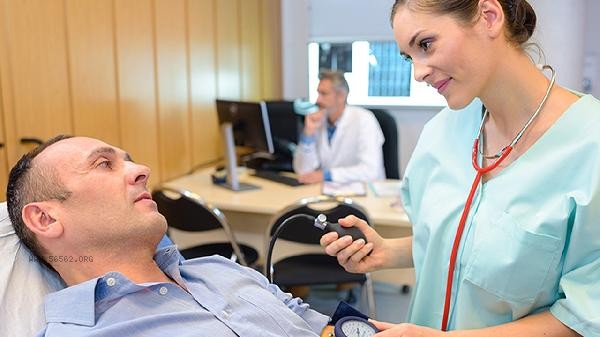
1. Increase salt intake. Sodium in salt can help raise blood pressure, but it should be consumed in moderation to avoid excessive intake and other health problems. The daily salt intake can be controlled at 5-6 grams, and salty foods such as seaweed and soy sauce should be consumed in moderation. For patients with low blood pressure, moderately increasing salt intake can help maintain stable blood pressure.
2. Maintain sufficient hydration. Insufficient water intake can lead to a decrease in blood volume, thereby exacerbating symptoms of low blood pressure. The daily water intake should be maintained at 1.5-2 liters, especially after hot weather or exercise, and attention should be paid to hydration. You can drink diluted salt water or beverages containing electrolytes to help maintain fluid balance.
3. Regular exercise. Moderate exercise helps enhance cardiovascular function, improve blood circulation, and thus raise blood pressure. It is recommended to choose low-intensity aerobic exercise, such as walking, yoga, or swimming, 3-4 times a week for 30 minutes each time. Avoid vigorous movements during exercise to prevent a sudden drop in blood pressure.
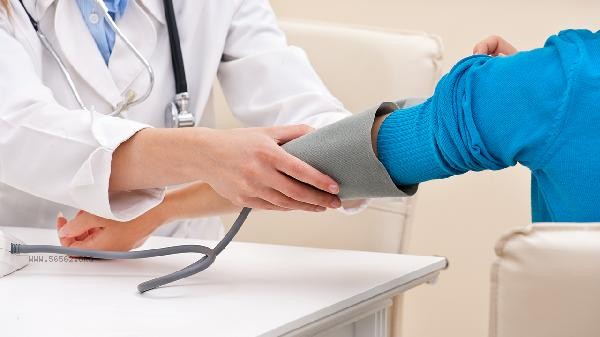
4. Avoid standing for long periods of time. Long term standing can lead to blood accumulation in the lower limbs, reducing the amount of blood returning to the heart, thereby causing hypotension. It is recommended to sit down and rest every 1-2 hours or engage in simple leg exercises to promote blood circulation. For jobs that require prolonged standing, wearing elastic socks can help alleviate symptoms.
5. Dietary adjustments. Increasing foods rich in iron, vitamin B12, and folate, such as red meat, eggs, and leafy vegetables, can help improve anemia related hypotension. At the same time, avoiding fasting or overeating can help maintain stable blood sugar and blood pressure with small and frequent meals.
6. Pay attention to changes in body position. When getting up from lying down or sitting, the movement should be slow to avoid sudden standing that can cause a sudden drop in blood pressure. You can move your legs before getting up to promote blood flow and reduce the occurrence of dizziness or vertigo. Mild hypotension usually does not require medication treatment, but if symptoms persist or worsen, it is recommended to seek medical attention promptly to investigate potential causes. By adjusting lifestyle, diet, and exercise, mild hypotension symptoms can be effectively improved and quality of life can be enhanced.








Comments (0)
Leave a Comment
No comments yet
Be the first to share your thoughts!