
The diet within one week of caesarean section should follow the transition principle from liquid to semi liquid to common food, and gradually recover gastrointestinal function mainly through fasting observation, drinking warm water, eating rice soup, eating porridge, eating soft and rotten noodles, etc.
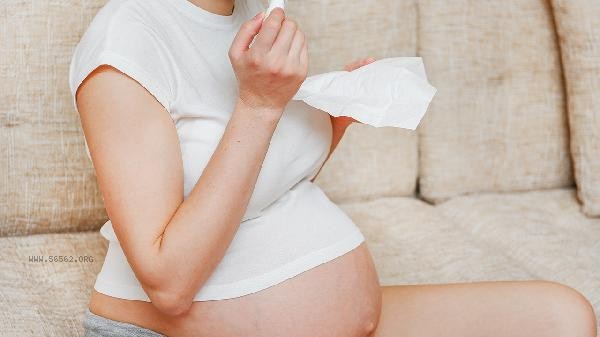
1. Fasting observation
Within six hours after surgery, strict fasting and water restriction are usually required because the effect of anesthetic drugs has not completely subsided, and eating at this time can easily cause nausea, vomiting, and even the risk of aspiration. Pregnant women should maintain a supine position, and family members should closely observe their vital signs and abdominal incision conditions. Only when there are signs of intestinal peristalsis, such as bowel sounds or anal exhaust, can they try drinking a small amount of water under the guidance of a doctor. The key at this stage is to give the gastrointestinal tract sufficient rest, avoid premature burden and bloating discomfort, and lay the foundation for subsequent nutrient intake.
2. Drinking Warm Water
When a pregnant woman experiences anal exhaust, it marks the beginning of intestinal function recovery. At this time, it is advisable to try drinking warm water in small amounts multiple times. Warm water helps lubricate the intestinal mucosa, promote the elimination of residual gases, and alleviate common postoperative bloating. When drinking water, the speed and total amount should be controlled to avoid stomach discomfort or vomiting caused by drinking in large quantities at once. If there are no adverse reactions after drinking water, gradually increase the amount of water consumed to help the body metabolize waste, prevent constipation, and prepare for the transition to liquid foods to ensure a smooth adaptation of the digestive system.
3. After adapting to warm water consumption without bloating or vomiting, light and easily digestible rice soup can be introduced as the first formal liquid food. Rice soup is rich in carbohydrates, which can provide basic energy, and its thin texture is easily absorbed, without adding burden to the weak gastrointestinal tract. When making, it is advisable to use high-quality rice and boil it until it is fully cooked. Only take the upper layer of clear liquid to avoid rice residue. Moderate consumption of rice soup can help replenish water and electrolytes, maintain a stable internal environment, promote early preparation for milk secretion, and observe the mother's tolerance to food. After confirming that there are no discomforts, proceed with the next dietary upgrade.
4. Eating porridge
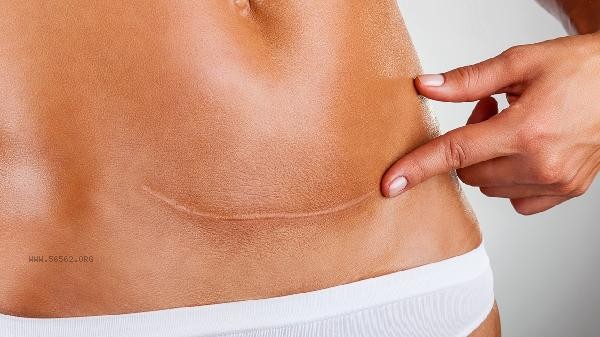
With the further recovery of gastrointestinal function, the diet can change from pure liquid to semi liquid. At this time, it is recommended to eat millet porridge or rice Congee that is extremely soft and rotten. Congee food not only retains the nutrients of grains, but also becomes gelatinized after a long time of boiling, easy to digest and absorb, and can effectively supplement protein and vitamin B family. When eating, air Congee to an appropriate temperature and swallow it slowly in a small mouth to avoid scalding the mouth or choking and coughing caused by swallowing too fast. At this stage, it is still necessary to adhere to the principle of eating small meals and multiple meals. Five to six meals can be arranged daily to meet the needs of body repair and prevent indigestion or wound pain caused by overeating.
5. Eating soft noodles
If the defecation is normal and the appetite is good in the later stage after surgery, you can try to eat semi solid food such as soft and rotten soup noodles or Wonton skin. This type of food has a soft taste and contains a moderate amount of high-quality protein and carbohydrates, which helps to enhance physical strength and promote wound healing. When cooking, avoid adding spicy and irritating seasonings or greasy meat soup. It is advisable to use a light vegetable soup base, and a small amount of chopped tender leafy vegetables can be added to supplement dietary fiber. During the eating process, it is important to chew slowly and reduce the burden of gastrointestinal grinding. If there is abdominal pain or abnormal bowel movements, stop immediately and consult a doctor to ensure safe and orderly dietary adjustments. During the one week dietary recovery process for cesarean section mothers, family members should assist in controlling food temperature and hygiene management to ensure that ingredients are fresh and thoroughly cooked. In daily care, it is necessary to encourage postpartum women to get out of bed and move around as early as possible to promote intestinal peristalsis and lochia excretion, but the range of motion should not be too large to avoid affecting wound healing. Maintain a light, low salt, and low-fat diet, and avoid consuming gas producing foods such as beans, milk, and sweets to prevent exacerbating bloating. If there is fever, redness and swelling of the incision, or severe constipation, professional medical help should be sought in a timely manner. Do not self medicate or believe in folk remedies. Scientific and reasonable nutritional support is a key link in postpartum recovery.



Comments (0)
Leave a Comment
No comments yet
Be the first to share your thoughts!