
Postpartum pelvic floor muscle examination is mainly conducted through a combination of clinical evaluation and instrument testing, including pelvic floor muscle strength testing, ultrasound examination, pelvic floor electrophysiological testing, and other methods.
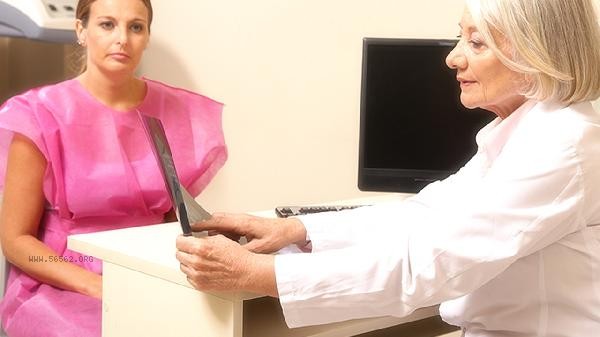
1. Pelvic floor muscle strength test
Doctors will evaluate muscle contraction strength and duration through finger examination, using the internationally recognized Oxford grading system. During testing, it is necessary to cooperate in completing contraction relaxation movements and testing the function of fast and slow muscle fibers. Postpartum 42 day follow-up is often used as a basic screening item to preliminarily determine whether there is muscle weakness or coordination disorders.
2. Three dimensional ultrasound examination
Through perineal or transrectal ultrasound, the pelvic floor structure can be dynamically observed, and parameters such as bladder neck position and levator ani muscle thickness can be measured at rest and under exertion. Can clearly display changes in the area of the pelvic diaphragmatic hiatus and determine whether there is pelvic organ prolapse such as bladder protrusion and rectal protrusion.
3. Pelvic floor electrophysiological testing
records electromyographic activity through surface electrodes to evaluate neuromuscular control ability. It includes detection items such as electromyography and evoked potentials, which can quantify muscle fatigue and reaction speed. Can clarify whether there is nerve damage in patients with stress urinary incontinence.

4. Urodynamic examination
is used to evaluate urinary tract function in individuals with urinary abnormalities through measures such as urine flow rate measurement and bladder pressure volume measurement. Can distinguish between stress urinary incontinence and urgency urinary incontinence, detect bladder sensory function and detrusor muscle stability.
5. POP-Q quantitative staging
adopts the international standard pelvic organ prolapse quantitative staging system, and determines the degree of prolapse by measuring 6 anatomical points. Use a dedicated ruler to measure changes in the position of the genital opening, perineum, and other areas at maximum force, providing objective basis for surgical indication judgment.

It is recommended to start pelvic floor function assessment 6-8 weeks postpartum, and lactating women should inform their doctors of their breastfeeding status. Before testing, the bladder should be emptied to avoid the menstrual period. Daily exercise training can be combined with Kegel exercises to avoid lifting heavy objects and prolonged squatting movements. If moderate or severe prolapse or urinary incontinence symptoms are found, they should be promptly referred to a pelvic floor rehabilitation center for standardized treatment.








Comments (0)
Leave a Comment
No comments yet
Be the first to share your thoughts!