
The physical examination of hepatitis B carriers should focus on liver function, viral load and liver imaging examination, mainly including hepatitis B two half, HBV-DNA detection, liver function examination, liver B-ultrasound or FibroScan and other items. Regular monitoring helps to assess disease progression and prevent complications.
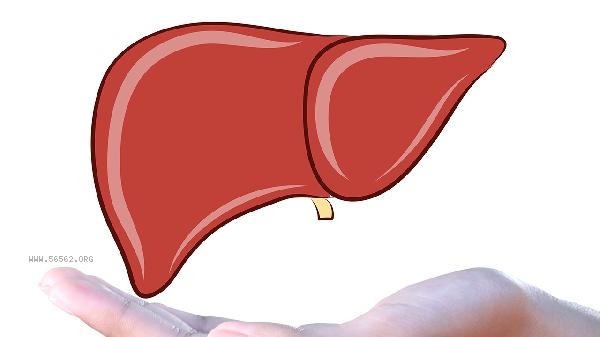
1. hepatitis B two and a half
hepatitis B two and a half are the core indicators to judge the status of hepatitis B virus infection, including five tests of surface antigen, surface antibody, e antigen, e antibody and core antibody. Hepatitis B carriers need to regularly review the changes of surface antigen titer. if there is serological conversion of e antigen, it may indicate that the virus replication is weakened. This examination does not require fasting and can be completed through intravenous blood collection.
2. HBV-DNA detection
HBV-DNA detection can directly reflect the replication activity of hepatitis B virus in the blood, and the detection results are expressed in international units per milliliter. Carriers with viral load exceeding 2000IU/ml need to increase monitoring frequency and initiate antiviral therapy if necessary. It is recommended to have a follow-up examination every 6-12 months, and avoid vigorous exercise before blood collection.
3. Liver function test
Liver function test evaluates the degree of liver cell damage by detecting indicators such as ALT, AST, bilirubin, etc. If carriers find that ALT continues to exceed twice the upper limit of normal, they should be alert to hepatitis activity. Three days before the examination, it is necessary to avoid drinking alcohol and high-fat diet. Fasting for 8-10 hours to collect blood can improve accuracy.
4. Liver B-ultrasound
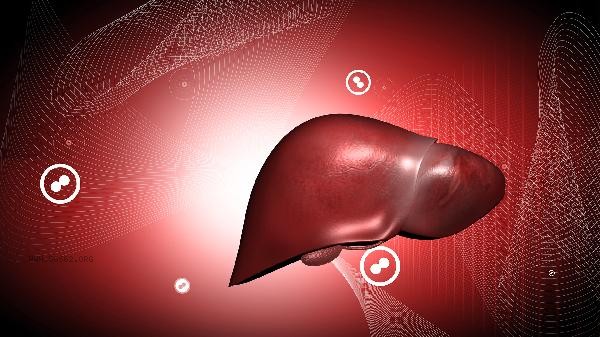
Liver B-ultrasound can visually display changes in the morphology and structure of the liver, which is of great value for early detection of cirrhosis and liver mass lesions. It is recommended that carriers undergo an annual check-up and fast for 8 hours before the check-up to reduce intestinal gas interference. When thickening of liver parenchyma echoes is found, further evaluation should be conducted in conjunction with other examinations.
5. FibroScan detection
FibroScan uses transient elastography technology to non invasively evaluate the degree of liver fibrosis, and a detection value exceeding 7.4 kPa indicates significant fibrosis. This test is suitable for carriers with high viral load or abnormal liver function. Before the test, avoid overeating, and the measurement results should be comprehensively judged based on serological indicators.
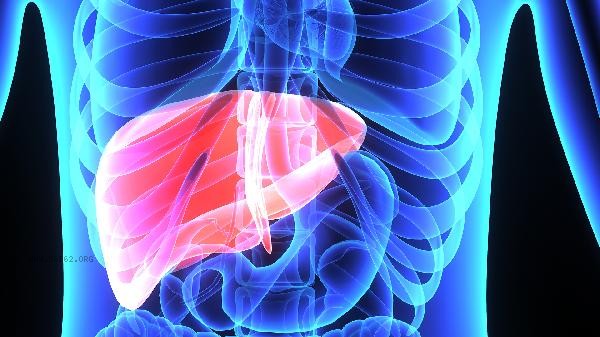
In addition to standardized physical examination, hepatitis B carriers should keep regular work and rest to avoid staying up late and overwork. Control high-fat and high sugar intake in diet, prioritize high-quality protein and fresh vegetables and fruits. Strictly quit drinking and use hepatotoxic drugs with caution, and engage in low-intensity exercises such as Tai Chi and swimming in moderation. Re examination of alpha fetoprotein every 3-6 months can assist in screening for liver cancer. If symptoms such as fatigue and jaundice occur, timely medical attention should be sought.








Comments (0)
Leave a Comment
No comments yet
Be the first to share your thoughts!