
The diagnosis and treatment of hypertension in traditional Chinese medicine are mainly divided into five types: liver yang hyperactivity, phlegm dampness obstruction, liver and kidney yin deficiency, qi and blood deficiency, and blood stasis obstructing collaterals. Targeted medication should be used based on individual symptoms and physical differences.
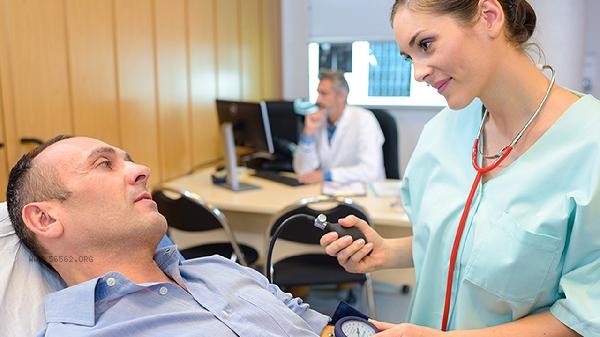
1. Hyperactivity of liver yang
Hyperactivity of liver yang type of hypertension is commonly characterized by dizziness, red eyes, red face, red ears, irritability, and other symptoms, which are often caused by emotional disorders or liver and kidney yin deficiency. The treatment mainly focuses on calming the liver and reducing yang, and Tianma Gouteng granules and modified Zhengan Xifeng decoction can be used. Avoid emotional excitement in daily life, limit high salt and high-fat diet, and use chrysanthemum and cassia seed tea to assist in lowering blood pressure. If accompanied by tinnitus and insomnia, medicinal herbs such as mother of pearl and cassia seed can be added.
II. Phlegm dampness obstruction
Phlegm dampness obstruction type is characterized by heavy head, chest tightness and nausea, thick and greasy tongue coating, which is related to spleen dysfunction and water dampness stagnation. The treatment method requires resolving phlegm and dampness, strengthening the spleen and stomach, and selecting Banxia Baizhu Tianma Tang or Wendan Tang for digestion. The diet should be light, cold, sweet and greasy. You can take coix seed yam Congee for conditioning. Those with severe limb fatigue can be treated with moxibustion at the Zusanli acupoint.
III. Liver and Kidney Yin Deficiency
This syndrome type is characterized by dizziness, tinnitus, soreness and weakness of the waist and knees, and restlessness and heat in the five hearts, which are caused by insufficient liver and kidney essence and blood, as well as disturbance of the deficiency yang. Commonly used Qiju Dihuang Pills or Zuogui Pills nourish the kidneys and liver, supplemented with medicinal herbs such as turtle shell glue and Ligustrum lucidum. Sexual activity should be restrained, staying up late should be avoided, and appropriate consumption of nourishing liver and kidney products such as black sesame seeds and mulberries should be consumed. If yin deficiency and excessive fire are obvious, you can add Zhimu and Huangbai Qingxu Hot.
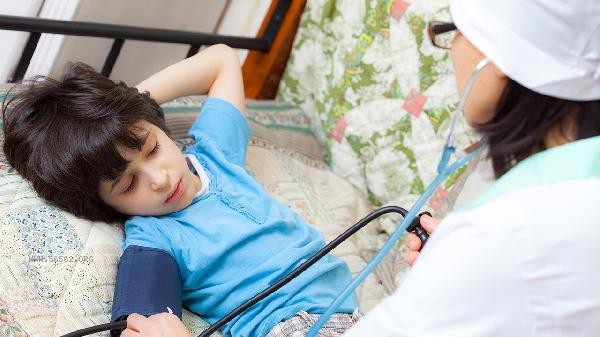
Fourth, Qi and Blood Deficiency
Hypertension of Qi and Blood Deficiency type is often characterized by dizziness, palpitations, shortness of breath, fatigue, and pale complexion, and is commonly seen in patients with chronic illness and weakness. The treatment is suitable for supplementing qi and nourishing blood. The prescription is Guipi Decoction or Bazhen Decoction, and drugs such as astragalus granule and compound ass hide glue paste. Daily consumption of ginseng and black chicken soup can be stewed and combined with moderate exercise to improve circulation. For those with insomnia, it is recommended to add sour jujube kernels and cypress kernels to calm the nerves.
5. Blood stasis obstructing collaterals
The blood stasis obstructing collaterals type is characterized by headaches like thorns and dark purple tongue, often caused by prolonged illness entering the collaterals or qi stagnation and blood stasis. The treatment requires promoting blood circulation, removing blood stasis, and unblocking meridians. The formula includes Xuefu Zhuyu Tang or Danshen Yin, as well as traditional Chinese medicine such as Compound Danshen Dripping Pills. Eating can include blood activating ingredients such as hawthorn and black fungus to avoid prolonged sitting. Patients with limb numbness can be treated with acupuncture and moxibustion.
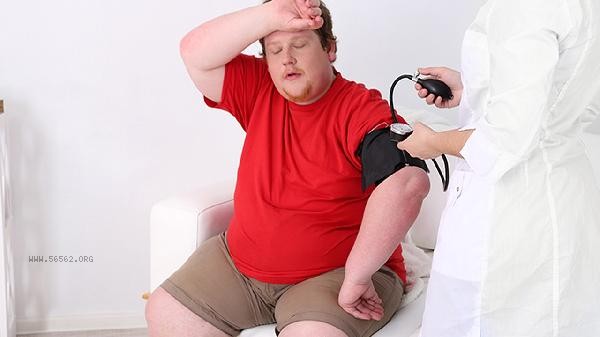
Hypertensive patients need to monitor their blood pressure changes for a long time, and during the period of traditional Chinese medicine regulation, they should have regular follow-up visits to adjust their prescriptions. Maintain a low salt and low-fat diet, with no more than 5 grams of salt per day, and consume potassium rich foods such as celery and kelp in moderation. Avoid vigorous exercise but stick to soothing exercises such as Tai Chi and Eight Section Brocade, quit smoking and limit alcohol consumption, and ensure adequate sleep. Emotional management is particularly important, and stress can be relieved through meditation, calligraphy, and other methods. If there are acute symptoms such as severe headache and blurred vision, seek medical attention immediately.





Comments (0)
Leave a Comment
No comments yet
Be the first to share your thoughts!