
The traditional Chinese medicine syndrome differentiation of cough mainly includes wind cold attacking the lungs, wind heat invading the lungs, dryness and evil injuring the lungs, phlegm dampness accumulating in the lungs, phlegm heat stagnation in the lungs, liver fire invading the lungs, and lung yin deficiency syndrome. Traditional Chinese Medicine (TCM) classifies cough based on its causes, course, nature of phlegm, and accompanying symptoms. Different types of symptoms require corresponding treatment methods.
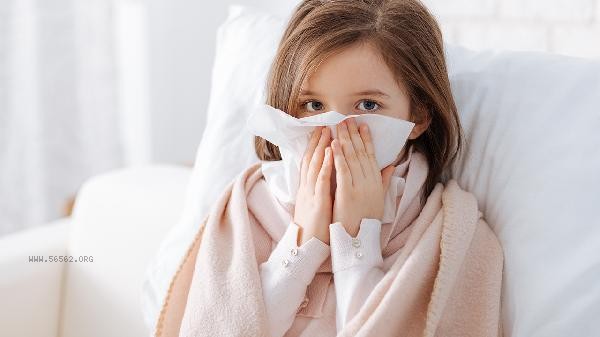
1. Wind cold attacking the lungs
is often caused by external wind cold leading to loss of lung qi, manifested as heavy coughing, thin phlegm, nasal congestion, and clear nasal discharge, often accompanied by chills and lack of sweating. The treatment mainly focuses on dispelling wind and dispelling cold. San Ao Tang and Zhi Sou San can be used with modifications, containing ingredients such as ephedra and almonds. In the early stage of wind cold cough, ginger and brown sugar water can be used to assist in dispelling cold and avoid stimulating the airway with raw and cold foods.
2. Wind heat invading the lungs
is commonly seen in cases of wind heat invasion or cold pathogenic heat transformation. Symptoms include frequent coughing, yellow and viscous phlegm, sore throat, and may be accompanied by fever and thirst. The treatment requires dispelling wind and clearing heat. The prescription should be Sangju Yin or Yinqiao San, which contain ingredients such as mulberry leaves and chrysanthemums. Such patients should maintain indoor air circulation, and drink appropriate Arhat fruit tea to alleviate pharyngeal discomfort.
Thirdly, the syndrome of dryness and evil injuring the lungs
is more common in the dry autumn season or dry environment, characterized by dry cough with no phlegm or less phlegm and sticky, dry mouth and nose, and severe cases with blood streaks in the phlegm. The treatment is suitable for moistening dryness and nourishing the lungs. Sang Xing Tang or Qing Zao Jiu Fei Tang are commonly used, containing nourishing yin herbs such as ginseng and Ophiopogon japonicus. Snow pear, lily and other lung moistening ingredients can be eaten daily to avoid spicy and hot food.

Fourth, phlegm dampness accumulation in the lungs
Due to the lack of healthy spleen function, phlegm dampness is obstructed, and symptoms include recurrent cough, multi-color white phlegm, chest tightness, and white and greasy tongue coating. The treatment requires drying dampness and resolving phlegm. The formula includes Er Chen Tang and San Zi Yang Qin Tang, which contain ingredients such as Pinellia ternata and Chenpi. Patients should reduce their intake of fat, sweet, and rich flavors, exercise appropriately to help expel phlegm, and use tangerine peel soaked in water as a substitute for tea drinks.
Fifth, Phlegm Heat Stagnation of the Lung Syndrome
is often caused by the prolonged transformation of phlegm dampness stagnation into heat or the entry of external pathogens into heat, manifested as coughing and shortness of breath, yellow and thick phlegm with a fishy smell, chest and rib distension and pain, and red tongue with yellow and greasy coating. Treatment requires clearing heat and phlegm. Qingjin Huatan Tang or Qingqi Huatan Wan, containing ingredients such as Huangqin and Gualou, should be used. Patients of this type should avoid spicy and greasy foods and can drink moderate amounts of Houttuynia cordata tea to assist in clearing heat.

Traditional Chinese Medicine (TCM) syndrome differentiation should be comprehensively judged based on the information from the four diagnostic methods. If coughing persists, timely medical attention should be sought. Daily attention should be paid to keeping warm and avoiding irritation from oil fumes. For those with excessive phlegm, the respiratory tract should be kept unobstructed. The diet should be light and easy to digest. For wind cold syndrome, moderate consumption of scallions and ginger is recommended. For dry heat syndrome, drinking more water and fresh fruits and vegetables is recommended. Patients with long-term cough or symptoms such as hemoptysis and weight loss must rule out organic lung diseases and should not blindly use medication.





Comments (0)
Leave a Comment
No comments yet
Be the first to share your thoughts!