
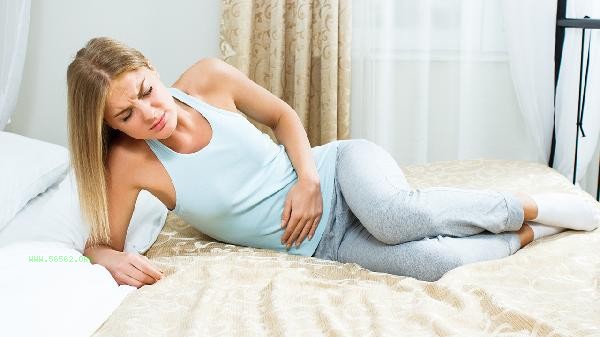
Traditional Chinese medicine believes that hemorrhoids are mainly caused by factors such as wind dryness, damp heat, stagnation of qi and blood, and dysfunction of organs. They are closely related to lifestyle habits such as prolonged sitting, irregular diet, and poor emotions. Hemorrhoids are classified into internal hemorrhoids, external hemorrhoids, and mixed hemorrhoids in traditional Chinese medicine theory, often manifested as symptoms such as anal swelling and pain, rectal bleeding, and prolapse.
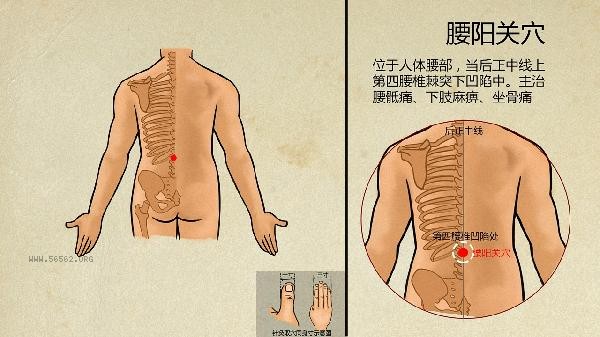
1. Wind dryness and damp heat pouring
Long term consumption of spicy and stimulating food or rich and sweet flavors can lead to dysfunction of spleen and stomach circulation, endogenous dampness and heat, and pouring into the anus. Damp heat accumulation can cause local stagnation of qi and blood, leading to swelling and pain in hemorrhoids, often accompanied by a burning sensation in the anus and sticky and uncomfortable stool. The treatment requires clearing away heat and removing dampness. traditional Chinese patent medicines and simple preparations such as Huaijiao Pill and Sanguisorba Root Huaijiao Pill can be used for external application together with Mayinglong musk hemorrhoid ointment. In daily life, one should avoid drinking alcohol and spicy foods, and consume moisture reducing ingredients such as adzuki beans and coix seed appropriately.
2. Stagnation of Qi and Blood
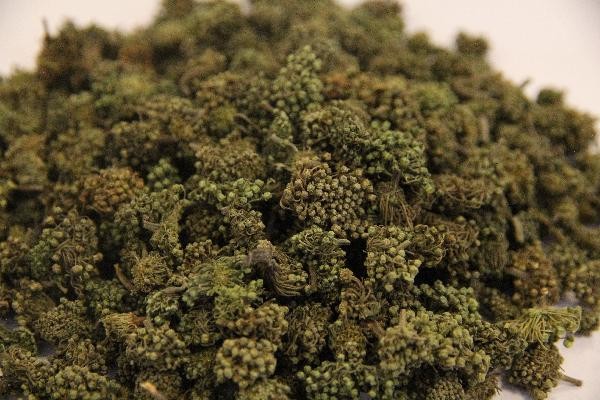
Prolonged sitting or constipation can cause poor circulation of Qi and blood in the anal area, leading to the formation of hemorrhoids due to blood stasis in the veins. Manifested as anal prolapse, dark purple hemorrhoids, and increased pain during bowel movements. Traditional Chinese medicine commonly uses methods to promote blood circulation and remove blood stasis, such as oral administration of Xiaozhiling tablets and Zhikang tablets, combined with local use of compound carrageenan suppositories. It is recommended to engage in daily anal exercises to avoid prolonged sitting for more than 2 hours. Rose tea can be consumed to help promote qi circulation and blood circulation.
3. Qi sinking
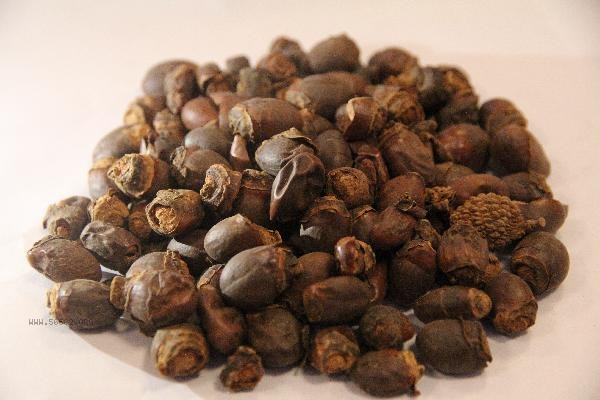
Weakness of the body or excessive fatigue can lead to spleen and stomach qi deficiency, weakness in ascending and descending, and loss of stability in the rectum and intestines. Commonly seen in postpartum women or elderly and weak individuals, it is difficult for hemorrhoids to retract on their own after prolapse, accompanied by fatigue and exhaustion. To nourish the middle and qi, use Bu Zhong Yi Qi Wan in combination with Huangqi stewed chicken for dietary therapy. In severe cases, use Wu Bei Zi decoction for fumigation and washing. Patients should avoid heavy physical labor and elevate their hips during sleep to promote venous return.
4. Emotional disorders
Long term depression and anxiety lead to liver qi stagnation, affecting the circulation of qi and blood, indirectly inducing or aggravating hemorrhoids. This type of patient is often accompanied by irregular bowel movements, anal distension and pain, and emotional fluctuations. Treatment requires soothing the liver and relieving depression. Xiaoyao Pill can be taken in combination with Chaihu Shugan San, and soothing exercises such as Ba Duan Jin can be performed to regulate emotions. Maintaining a regular schedule is particularly important for preventing recurrence.
5. Congenital endowment deficiency
Some patients are prone to hemorrhoids due to weak venous walls and acquired factors. This type of constitution often manifests as a tendency towards varicose veins in childhood, and families often have a similar medical history. Treatment requires consideration of both the sample and the body. Take Guipi Wan orally to strengthen the constitution, and apply Xiongdan Zhiling ointment externally to relieve symptoms. Avoid straining to defecate in daily life, and regularly consume spleen strengthening foods such as yam and lotus seeds to enhance physical fitness. Patients with hemorrhoids should maintain a daily water intake of 1500-2000 milliliters and increase their intake of high fiber foods such as oats and dragon fruit. Avoid squatting for more than 5 minutes and it is recommended to clean the anus with warm water after using the toilet. During the acute phase, cold compress can relieve swelling and pain, while during the chronic phase, daily warm water sitz baths for 10-15 minutes can promote blood circulation. If there is persistent rectal bleeding or hemorrhoid entrapment, seek medical attention promptly for professional treatment such as traditional Chinese medicine fumigation or ligation. Long term conditioning can be combined with moxibustion at acupoints such as Zusanli and Chengshan to enhance spleen and stomach function.




Comments (0)
Leave a Comment
No comments yet
Be the first to share your thoughts!