
Reducing blood pressure to normal levels requires three aspects: lifestyle adjustments, medication treatment, and regular monitoring. By adopting healthy diet, moderate exercise, weight control, and reducing stress, blood pressure can be effectively lowered. For patients with hypertension, doctors may prescribe antihypertensive medication based on the situation and regularly monitor blood pressure changes to ensure that blood pressure remains stable within the normal range.
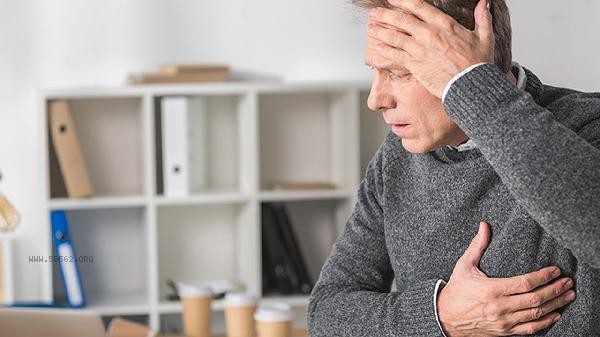
1. A healthy diet is crucial for lowering blood pressure. Reduce salt intake, limit daily intake to less than 5 grams, and avoid high salt foods such as pickled foods and processed meats. Adding foods rich in potassium, magnesium, and calcium, such as bananas, spinach, milk, etc., can help balance electrolytes in the body and lower blood pressure. Eat more whole grains, vegetables, and fruits rich in dietary fiber, reduce intake of saturated and trans fats, and choose healthy sources of fat such as olive oil and nuts. Moderate exercise is an effective way to lower blood pressure. Engaging in at least 150 minutes of moderate intensity aerobic exercise per week, such as brisk walking, swimming, cycling, etc., can help enhance cardiovascular function and promote blood circulation. Strength training such as weightlifting, push ups, etc., done 2-3 times a week, can enhance muscle strength and improve metabolism. Pay attention to gradual progress during exercise to avoid sudden increases in blood pressure caused by intense exercise.
3. Weight control has a significant effect on reducing blood pressure. Overweight and obesity are important risk factors for hypertension. By maintaining a healthy diet and moderate exercise, controlling weight within the normal range can significantly lower blood pressure. Calculate and control daily calorie intake, avoid high calorie and high sugar foods, and choose low calorie and high nutrient foods. Regularly monitor weight changes and adjust diet and exercise plans in a timely manner.
4. Reducing stress helps to lower blood pressure. Long term mental stress can lead to elevated blood pressure, and relaxation techniques such as meditation, deep breathing, and yoga can effectively alleviate stress. Maintain good sleep habits, ensure 7-8 hours of sleep every day, and avoid staying up late and excessive fatigue. Maintaining good communication with family and friends, seeking social support, can help alleviate psychological stress.

5. Drug therapy is an important means of controlling hypertension. For patients whose lifestyle adjustments cannot effectively control blood pressure, doctors may prescribe antihypertensive drugs such as diuretics, beta blockers, calcium channel blockers, etc. Select appropriate medication and dosage based on the patient's specific condition, undergo regular follow-up, and adjust the treatment plan. Medication treatment should be carried out under the guidance of a doctor and should not be stopped or the dosage changed without authorization.
6. Regular monitoring of blood pressure is key to ensuring blood pressure stability. Self testing blood pressure at home is an important means of monitoring changes in blood pressure. It is recommended to measure blood pressure once a day in the morning and once in the evening, record blood pressure data, and detect problems in a timely manner. Regularly go to the hospital for blood pressure checks and receive professional evaluation and guidance from doctors. By continuous monitoring and adjustment, ensure that blood pressure remains stable within the normal range and reduce the risk of complications. Reducing blood pressure to normal levels requires the comprehensive use of multiple methods, including a healthy lifestyle, appropriate medication treatment, and regular blood pressure monitoring, which can effectively control blood pressure and reduce the risk of cardiovascular disease. Maintain long-term adherence, regular check ups, timely adjustment of treatment plans, ensure stable blood pressure within the normal range, and maintain physical health.









Comments (0)
Leave a Comment
No comments yet
Be the first to share your thoughts!