
The key to rapid blood pressure reduction lies in lifestyle adjustments and necessary medical interventions. By controlling diet, moderate exercise, medication assistance, and other methods, blood pressure can be effectively lowered in a short period of time.
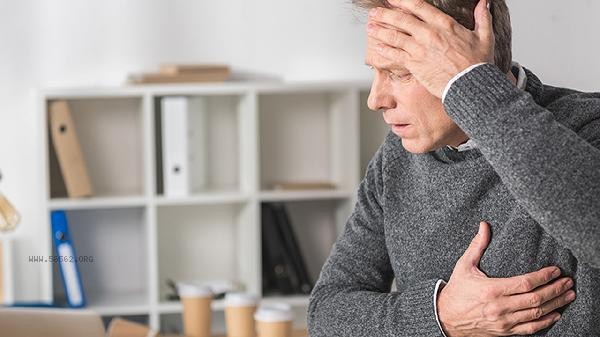
1. Dietary control: Reducing salt intake is an important measure to lower blood pressure. Daily salt intake should be controlled below 5 grams, avoiding high salt foods such as pickled foods and processed meats. Adding foods rich in potassium, magnesium, and calcium, such as bananas, spinach, and milk, can help regulate blood pressure. Consuming foods rich in dietary fiber, such as whole grains, vegetables, and fruits, can help lower blood pressure.
2. Moderate exercise: Aerobic exercise is an effective way to lower blood pressure. Doing 30 minutes of brisk walking, jogging, or swimming every day can enhance cardiovascular function and lower blood pressure. Strength training such as weightlifting and push ups, done 2-3 times a week, can also help improve blood pressure. Relaxation exercises such as yoga and tai chi can relieve stress and indirectly lower blood pressure.

3. Medication assistance: Using antihypertensive drugs under the guidance of a doctor is an effective way to quickly lower blood pressure. Common antihypertensive drugs include diuretics, beta blockers, calcium channel blockers, etc. Diuretics such as hydrochlorothiazide increase urine excretion, reduce body fluid volume, and lower blood pressure. Beta blockers such as metoprolol can slow down heart rate, reduce cardiac burden, and thus lower blood pressure. Calcium channel blockers such as amlodipine relax vascular smooth muscle, dilate blood vessels, and lower blood pressure.
4. Lifestyle habit adjustment: Quitting smoking and limiting alcohol consumption are important measures to lower blood pressure. Smoking and excessive alcohol consumption can both lead to elevated blood pressure, while quitting smoking and limiting alcohol intake can significantly improve blood pressure. Maintaining sufficient sleep, 7-8 hours of sleep per night, can help regulate blood pressure. Reducing stress through meditation, deep breathing, and other methods can indirectly lower blood pressure.
5. Regular monitoring: Regularly measure blood pressure, understand changes in blood pressure, and adjust lifestyle and medication use in a timely manner. Self testing blood pressure at home is a convenient and effective method that can help detect abnormal blood pressure in a timely manner. Regularly go to the hospital for physical examinations to understand overall health status and prevent complications related to hypertension. Through dietary control, moderate exercise, medication assistance, lifestyle adjustments, and regular monitoring, blood pressure can be effectively reduced in a short period of time. It is recommended to conduct comprehensive management under the guidance of a doctor to ensure that blood pressure is controlled within a healthy range and prevent complications related to hypertension.









Comments (0)
Leave a Comment
No comments yet
Be the first to share your thoughts!