
The signals of gastric cancer indicated by gastroscopy mainly include abnormal mucosal protrusion, irregular ulcer edges, local mucosal stiffness, surface erosion and bleeding, and abnormal color of the lesion area. Gastric cancer may be related to factors such as Helicobacter pylori infection, long-term gastric ulcers, genetic factors, unhealthy dietary habits, and malignant transformation of gastric polyps. It usually manifests as upper abdominal pain, decreased appetite, weight loss, vomiting blood and black stool, anemia, and other symptoms.

1. Abnormal mucosal protrusion
Early gastric cancer should be alerted when abnormal mucosal protrusion is found under gastroscopy. This type of protrusion often presents irregular shapes and may be accompanied by congestion or superficial erosion on the surface, commonly found in the antrum or angle of the stomach. Organ biopsy can detect dysplasia cells, and the depth of infiltration needs to be evaluated in conjunction with endoscopic ultrasound. After diagnosis, endoscopic mucosal dissection can be used for treatment, and regular follow-up gastroscopy monitoring for recurrence is required after surgery.
2. Irregular ulcer edges
Malignant ulcers often have a dam like protrusion and a hard texture, with interrupted or fused mucosal folds around them. Compared with benign ulcers, malignant ulcers have thicker smegma at the bottom and are prone to bleeding upon touch. Advanced gastric cancer ulcers often have a diameter exceeding 2 centimeters and require multiple biopsies to confirm the diagnosis. The treatment should be based on the stage selection of surgical resection or radiation chemotherapy regimen.
3. Local mucosal stiffness
The loss of normal peristaltic function in the gastric wall is manifested as mucosal stiffness, with significant resistance during endoscopic advancement. This type of change is common in diffuse infiltrating gastric cancer such as leather stomach, where the mucosal surface may appear pale, edematous, or have subtle granular changes. Enhanced CT scan can show thickening of the gastric wall, and pathological examination can reveal infiltration of signet ring cells. The treatment plan should be based on the extent of the tumor to develop a plan for total or partial gastrectomy.
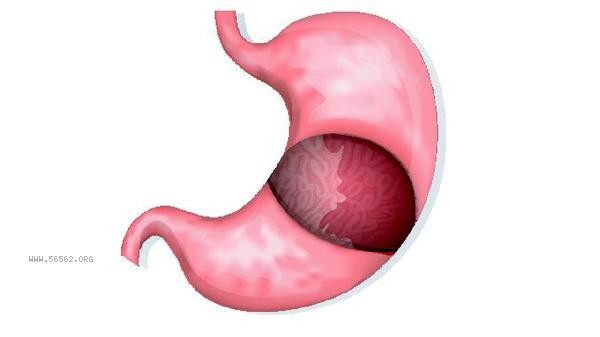
4. Surface erosion and bleeding
The abnormal proliferation of blood vessels on the surface of gastric cancer lesions leads to spontaneous bleeding, and active oozing or scab attachment can be seen under gastroscopy. This type of erosion is often distributed in a map like pattern, accompanied by irregular erythema around it. Severe bleeding can lead to vomiting blood or black stool, and emergency endoscopic hemostasis is required. After diagnosis, the presence of distant metastasis should be evaluated, and radical surgery can be performed in early cases.
5. Abnormal color of lesion area
Gastric cancer areas may exhibit mucosal fading, redness, or black and white mottled changes. Early gastric cancer is commonly characterized by type IIb flat lesions, which only present as local color changes without obvious elevations. Narrowband imaging technology can enhance color contrast, and indigo carmine staining can clearly display the boundaries of lesions. Lesions limited to the mucosal layer can be treated under endoscopy, while deeper infiltration requires surgical intervention. After discovering abnormal gastroscopy, abdominal CT, tumor markers, and other examinations should be completed to clarify the staging. Smoking and alcohol restriction are necessary in daily life, and high salt and high nitrite foods such as pickling and grilling should be avoided. postoperative patients should eat small meals frequently, choose easily digestible high protein diets, and regularly undergo gastroscopy and CT scans. If symptoms such as persistent upper abdominal discomfort and weight loss occur, timely medical attention should be sought. Early detection of gastric cancer can lead to better prognosis.









Comments (0)
Leave a Comment
No comments yet
Be the first to share your thoughts!