
Fasting physical examination usually refers to not being able to eat for 8-12 hours before the examination. The specific requirements depend on the type of physical examination items, and common fasting requirements mainly include time standards of 8 hours, 10 hours, and 12 hours. The core purpose of fasting physical examination is to ensure the accuracy of blood test results, especially indicators such as blood glucose, blood lipids, and liver function. If eaten, substances produced after food digestion will enter the bloodstream, causing deviations in these indicators. An 8-hour fasting period is usually suitable for basic blood glucose testing, as after a night of metabolism, 8 hours are sufficient to restore blood glucose levels to their baseline state. 10 hours of fasting is more common, covering most biochemical tests such as liver function, kidney function, and blood lipids. This duration can effectively reduce the interference of chyle blood on test results. A 12 hour fasting period is a relatively strict standard, mainly used for examinations that require extremely accurate results, such as fasting blood glucose measurement before oral glucose tolerance testing, or certain special hormone level tests. It should be noted that during fasting, a small amount of plain water can be consumed, generally not exceeding 200 milliliters, but sugary drinks, milk, coffee, or tea should never be consumed. If the physical examination includes abdominal ultrasound, especially when observing the gallbladder and pancreas, strict fasting for 8-12 hours is also crucial, as the gallbladder will contract and empty after eating, affecting observation. For chronic disease patients who need to take long-term medication, such as antihypertensive drugs and antiarrhythmic drugs, it is recommended to take them with a small amount of water. Do not stop taking the medication on an empty stomach, as it may cause fluctuations in blood pressure or heart rate. The dinner before the physical examination should be light and easily digestible, avoiding high-fat and high protein diets. It is best to finish the dinner before 8 pm, so as to achieve the 12 hour fasting requirement more smoothly. If the physical examination is scheduled after 10am, the time from dinner to blood draw may exceed 12 hours. At this time, it is appropriate to eat a small amount of biscuits or bread in advance, but it is necessary to ensure that there is at least an 8-hour interval between the time of blood draw. Fasting time is not necessarily the longer the better. Exceeding 16 hours may lead to the body entering a state of hunger, which in turn can cause low blood sugar or elevated ketones, affecting the authenticity of the results.
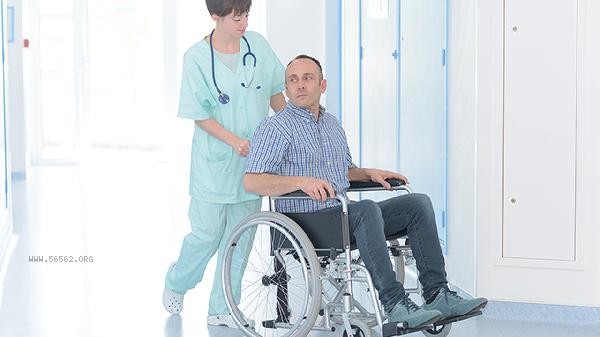
It is recommended to confirm the specific fasting duration requirements with the medical institution in advance when scheduling a physical examination, and strictly follow the regulations. Maintain sufficient sleep the night before the physical examination, avoid staying up late and drinking alcohol, as these factors can also affect the accuracy of the examination results. If symptoms of hypoglycemia such as dizziness, palpitations, and cold sweats occur during the physical examination, medical staff should be immediately informed and sugar should be replenished in a timely manner. After completing blood tests and fasting tests, it is advisable to eat as soon as possible to avoid discomfort caused by prolonged fasting.








Comments (0)
Leave a Comment
No comments yet
Be the first to share your thoughts!