
The examination methods for fatty liver mainly include imaging examination, blood testing, and liver biopsy. Imaging examinations such as ultrasound, CT, and MRI can provide a visual assessment of liver fat content; Blood testing assists in diagnosis through liver function indicators and blood lipid levels; Liver biopsy is the gold standard for diagnosing fatty liver. The specific choice of method depends on the patient's condition and the doctor's advice.
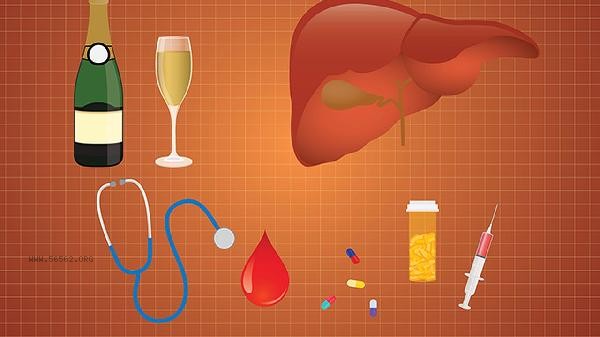
1. Imaging examination is a commonly used method for diagnosing fatty liver. Ultrasound examination is non-invasive and economical, and can preliminarily determine the degree of liver fat infiltration, but its sensitivity is low. CT examination evaluates fat content through changes in liver density and is suitable for obese patients. MRI has high resolution and can quantify liver fat content, making it suitable for precise diagnosis and follow-up.
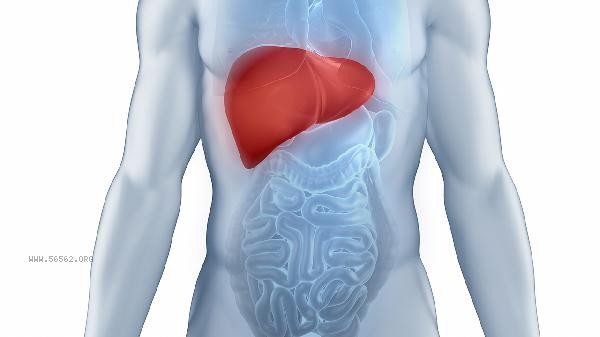
2. Blood testing is an important means of assisting in the diagnosis of fatty liver. In liver function tests, elevated ALT and AST indicate liver cell damage, but they are not specific indicators. In blood lipid testing, elevated levels of triglycerides and cholesterol are closely related to fatty liver. Blood glucose and insulin resistance index can also reflect metabolic abnormalities in fatty liver.
3. Liver biopsy is the gold standard for diagnosing fatty liver. Obtaining liver tissue samples through puncture allows for direct observation of the degree of fat degeneration and inflammation fibrosis. But biopsy is an invasive procedure that carries risks such as bleeding and infection, and is usually used for difficult cases or to assess the severity of the disease. There are various examination methods for fatty liver, including imaging examination, blood testing, and liver biopsy, each with its own advantages and disadvantages. Patients should choose appropriate examination methods based on their own situation and doctor's advice. Early detection and diagnosis of fatty liver can help with timely intervention and treatment, preventing disease progression. Regular physical examinations and a healthy lifestyle are key to preventing fatty liver.









Comments (0)
Leave a Comment
No comments yet
Be the first to share your thoughts!