
Amenorrhea can be treated by means of traditional Chinese medicine conditioning, acupuncture and moxibustion, massage, diet regulation, exercise intervention, etc. Amenorrhea is usually caused by insufficient Qi and blood, liver depression and qi stagnation, kidney deficiency, phlegm dampness obstruction, cold coagulation and blood stasis, and other reasons.

1. Chinese medicine conditioning
For amenorrhea with insufficient qi and blood, traditional Chinese patent medicines and simple preparations such as Bazhen Yimu Pill, Wuji Baifeng Pill, Guipi Pill can be used. When accompanied by pale complexion, fatigue and other symptoms, it is appropriate to nourish qi and blood. The liver depression and qi stagnation type can be treated with Xiaoyao Wan and Chaihu Shugan San. If accompanied by chest and rib distension pain and emotional depression, it is necessary to soothe the liver and relieve depression. Kidney deficiency type closure often requires the use of Left Return Pills and Right Return Pills to warm and nourish kidney yang or kidney yin for symptoms such as soreness and weakness of the waist and knees, dizziness and tinnitus.
2. acupuncture and moxibustion treatment
Select Guanyuan, Sanyinjiao, Xuehai and other acupoints for filiform needle stimulation, and cooperate with moxibustion at Shenque, Qihai and other acupoints to improve amenorrhea of uterine cold type. Electroacupuncture therapy is suitable for amenorrhea of qi stagnation and blood stasis type, and can regulate the function of the hypothalamic pituitary ovarian axis. Ear acupuncture for endocrine, ovarian, uterine and other acupoints has auxiliary therapeutic effects on phlegm dampness type amenorrhea.
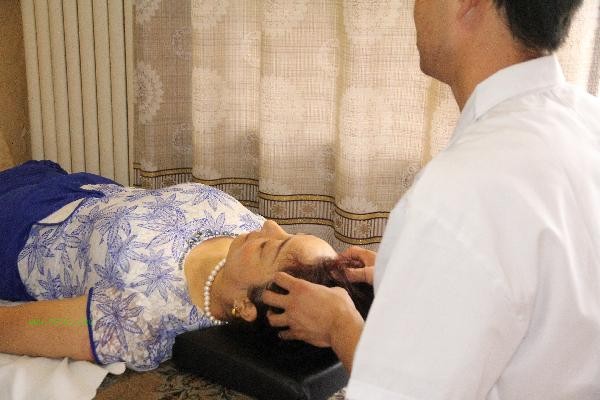
3. Massage and Massage
Use palm pushing along the Ren meridian from the Danzhong to the Zhongji acupoint, combined with point pressing on the back Yu acupoints such as the Spleen Shu and Kidney Shu, to improve the circulation of qi and blood. The abdominal massage method can alleviate the cold pain in the lower abdomen caused by cold coagulation and blood stasis type amenorrhea. Daily clockwise circular massage of the lower abdomen. Acupoint acupressure such as Zusanli and Taichong can help relieve menstrual disorders caused by liver depression and qi stagnation.

4. Diet regulation
People with weak qi and blood should take angelica ginger mutton soup, red jujube and medlar Congee isothermal supplement diet to avoid cold and raw diet. Kidney yang deficiency type can consume moderate amounts of walnuts, black sesame seeds, and chives, which are warm kidney foods. For phlegm dampness constitution, it is recommended to use coix seed, red bean, yam and other spleen invigorating and dampness removing ingredients to make porridge to limit the intake of fat and sweet taste.
5. Exercise Intervention
Soft and gentle exercises such as Ba Duan Jin and Tai Chi are suitable for patients with qi and blood deficiency. Practice several times a week to improve physical fitness. Yoga postures such as butterfly and cat cow can regulate pelvic blood circulation. Aerobic exercises such as brisk walking and swimming can help control weight and are particularly suitable for patients with phlegm dampness amenorrhea.

Amenorrhea patients need to maintain a regular daily routine, avoid staying up late and experiencing emotional fluctuations. Pay attention to keeping your waist and abdomen warm in winter, and avoid eating chilled drinks. Establish a menstrual diary to record changes in basal body temperature and cooperate with doctors to regularly review sex hormone levels. During the period of traditional Chinese medicine treatment, if there are reactions such as dry mouth and constipation, timely follow-up visits should be made to adjust the prescription. Long term amenorrhea patients need to be screened for organic diseases such as polycystic ovary syndrome and early-onset ovarian dysfunction.





Comments (0)
Leave a Comment
No comments yet
Be the first to share your thoughts!