
Whether the physical examination includes HPV testing depends on the specific examination items. Routine physical examinations usually do not include HPV testing, but gynecological specialized examinations or cervical cancer screening packages may include it. HPV testing mainly includes HPV typing testing, HPV-DNA testing, and other methods. It is recommended that women who have sex regularly undergo cervical cancer screening. Routine physical examination items such as blood routine, urine routine, liver function and other basic tests generally do not include HPV testing. This type of physical examination is mainly aimed at screening common chronic diseases and basic health indicators, while HPV belongs to specific pathogen testing and requires separate application or selection of packages that include this item. The collective physical examination organized by some units may increase HPV screening based on the characteristics of the population, but the list of items needs to be confirmed in advance. The gynecological specialized physical examination or cervical cancer screening package usually includes HPV testing. Women over 30 years old are recommended to undergo HPV combined with TCT testing every 3-5 years, and high-risk individuals may require more frequent monitoring. Specific packages provided by medical institutions, such as cancer prevention check ups and pre pregnancy examinations, may also include HPV as an optional item. It is necessary to clearly inform the requirements and confirm the inclusion of this item when making an appointment.
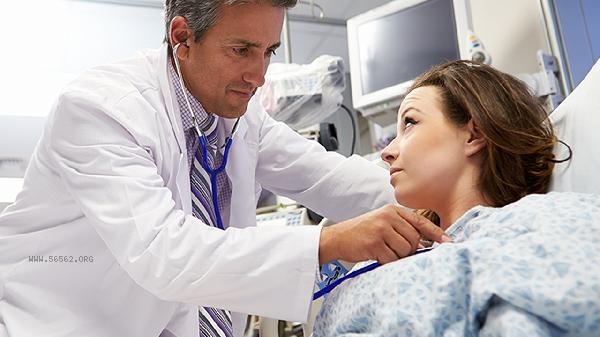
It is recommended that women who engage in sexual activity undergo regular HPV screening, especially high-risk individuals with multiple sexual partners, low immunity, or a history of cervical lesions. Daily attention should be paid to perineal hygiene, avoiding unclean sexual behavior, and receiving HPV vaccine can prevent high-risk types of infections. If high-risk HPV infection persists during testing, it is necessary to promptly go to the gynecology department for further examination to rule out cervical lesions.









Comments (0)
Leave a Comment
No comments yet
Be the first to share your thoughts!