
Whether anti viral treatment is needed for hepatitis B carriers with elevated transaminase should be comprehensively judged by liver function, viral load and liver histology evaluation. The main influencing factors are the degree of persistent abnormality of transaminase, the level of hepatitis B virus DNA, the degree of liver fibrosis or inflammation, age and family history of liver cancer.
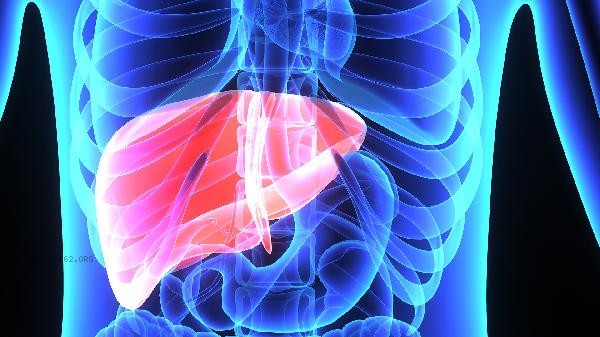
1. Mild elevation of transaminase
If the transaminase is only mildly elevated and does not exceed twice the upper limit of normal, and the viral load is low, immediate antiviral treatment may not be necessary. In such cases, it is recommended to recheck the liver function, hepatitis B virus DNA and ultrasonic examination every 3-6 months. At the same time, it is necessary to strictly abstain from alcohol, avoid liver toxic drugs, and keep regular work and rest. It can be combined with liver protective drugs such as Silymarin capsules and compound glycyrrhizin tablets to assist in improving liver function.
2. Active replication of virus
When hepatitis B virus DNA exceeds 2000IU/ml and transaminase continues to rise, antiviral treatment usually needs to be started. This situation indicates active virus replication, which may lead to sustained damage to liver cells. Commonly used antiviral drugs include Entecavir dispersible tablets, Tenofovir disoproxil fumarate tablets and other nucleoside analogues, which require long-term standardized use to suppress the virus. When significant liver fibrosis is confirmed through liver elasticity testing or pathological biopsy, antiviral treatment is recommended regardless of transaminase levels. The degree of fibrosis can be evaluated by FibroScan. If the result exceeds 7.4kPa or pathology shows ≥ F2 fibrosis, antiviral combined with liver protection treatment should be immediately used to delay the progression of cirrhosis.
4. High risk factors for liver cancer
For patients with a family history of liver cancer, over 40 years of age, or with diabetes, patients with elevated transaminase are more inclined to early antiviral intervention. This group of people may consider choosing potent and low resistance drugs such as propafenone fumarate tablets, and undergo alpha fetoprotein and liver ultrasound screening every 6 months.
5. Special treatment during pregnancy
If the transaminase of hepatitis B carriers in the second and third trimesters of pregnancy increases with high viral load, antiviral treatment is required to reduce the risk of mother to child transmission. Generally, pregnancy grade B drugs, such as Tibivudine, can be selected. After delivery, the treatment plan can be adjusted according to the situation. Newborns need to be vaccinated with hepatitis B vaccine and immunoglobulin within 12 hours.
hepatitis B carriers should maintain a low-fat and high protein diet every day, take an appropriate amount of antioxidant foods such as broccoli and blueberries, and avoid pickled and moldy foods. Strictly prohibit drinking alcohol and taking traditional Chinese medicine prescriptions on one's own. Exercise mainly includes walking, Tai Chi exercises, and other activities. It is recommended to have liver function, viral load, and liver imaging examinations rechecked every 3-6 months. If symptoms such as fatigue worsen and skin discoloration occur, seek medical attention promptly. During antiviral treatment, medication should not be discontinued without authorization. Regular evaluation of efficacy and drug resistance should be conducted under the guidance of a specialist doctor.








Comments (0)
Leave a Comment
No comments yet
Be the first to share your thoughts!