
After staying up late and working overtime, the physical examination results may be affected to some extent, but the specific degree of impact varies from person to person. Staying up late may lead to physiological changes such as elevated blood pressure, blood sugar fluctuations, and abnormal liver function indicators, but these changes are usually temporary. Staying up late can stimulate sympathetic nervous system excitement, leading to higher blood pressure measurements than usual, especially for people at risk of hypertension. Lack of sleep can interfere with glucose metabolism and may cause a slight increase in fasting blood glucose test results. The liver carries out important metabolic activities at night, and indicators such as transaminase may experience temporary abnormalities after staying up late. People who stay up late for a long time may have weakened immune function, and immune indicators such as lymphocyte ratio during physical examination may deviate from the normal range. The secretion rhythm of some hormones such as cortisol may be disrupted, affecting the results of endocrine related tests.

Occasional staying up late has limited impact on the physical examination results of healthy individuals, and abnormal indicators are mostly temporary phenomena. But those who stay up late for a long time may experience persistent deviations from physical examination indicators, such as abnormal blood lipids, elevated uric acid, and other metabolic problems. Individuals with underlying diseases have a higher risk of distorted physical examination data after staying up late, such as an increased probability of abnormal electrocardiograms in patients with cardiovascular disease. Staying up late before and after a woman's menstrual period may amplify hormonal fluctuations and interfere with gynecological examination results. Some special examination items such as gastroscopy and colonoscopy require fasting preparation, and the hunger state after staying up late may affect the accuracy of the examination.
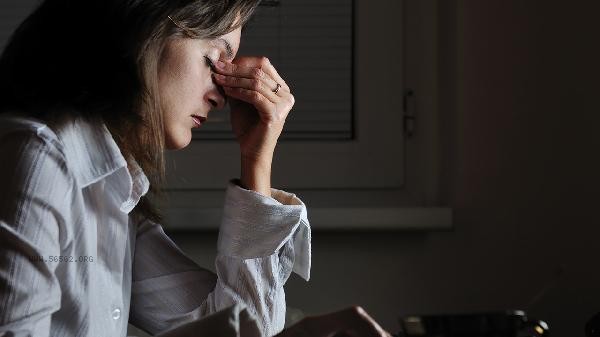
It is recommended to maintain a regular schedule before the physical examination and avoid staying up late continuously. If you have stayed up late, you can postpone the physical examination time appropriately and inform the doctor of your recent schedule before the examination. Long term night owls should regularly monitor key indicators such as blood pressure and blood sugar, and undergo specialized follow-up if necessary. Abnormal physical examination results should be comprehensively judged based on clinical manifestations, avoiding relying solely on single test data. Maintaining sufficient sleep, balanced diet, and moderate exercise can help maintain the stability of physical examination indicators.








Comments (0)
Leave a Comment
No comments yet
Be the first to share your thoughts!